Enabling Community-Led Water Security in Darjeeling, India
 oplus_1048576
  oplus_1048576
  oplus_9437184
  oplus_0
  oplus_0
  oplus_0
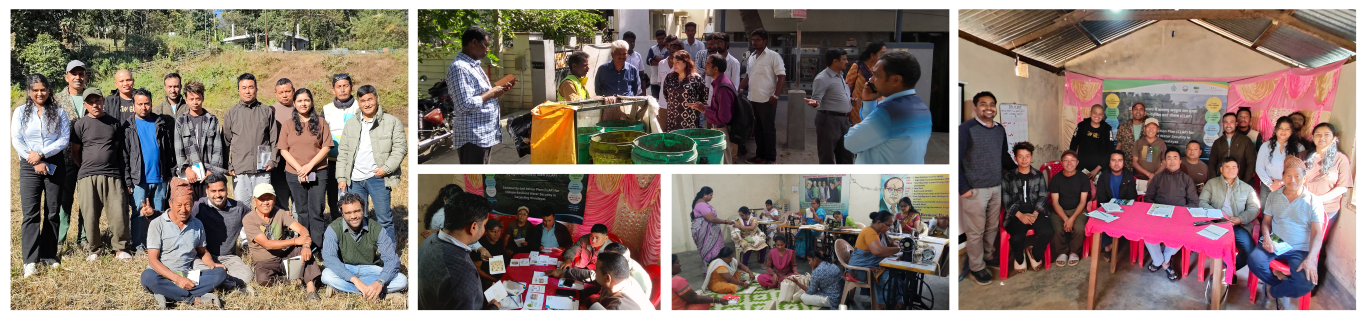
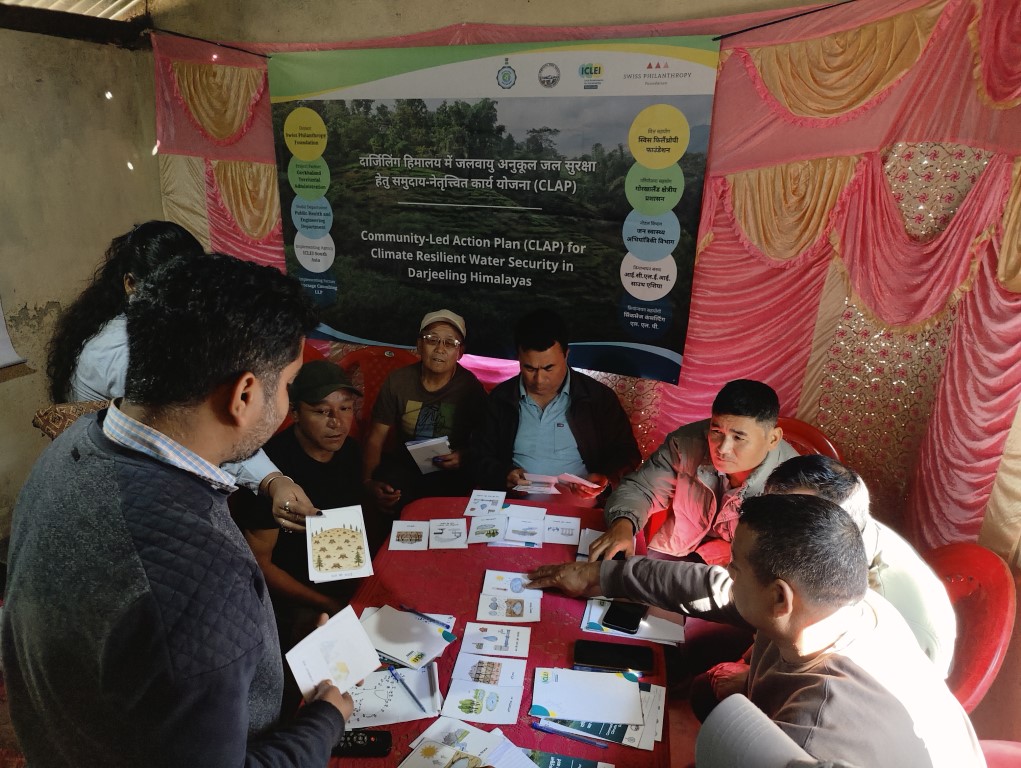
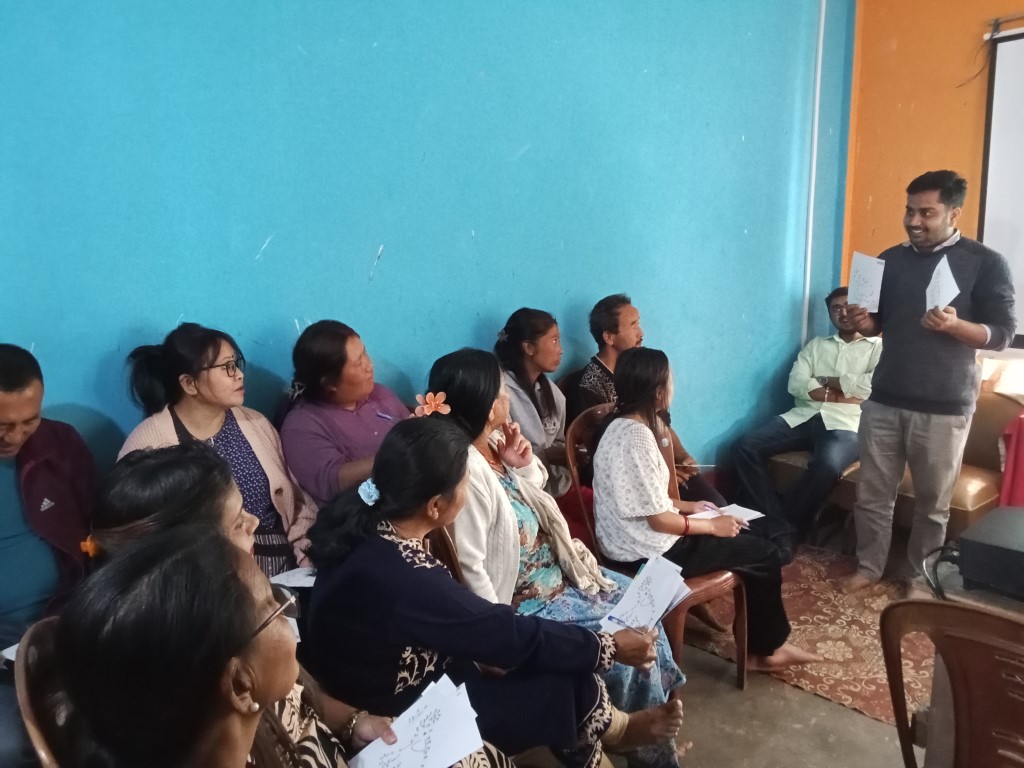
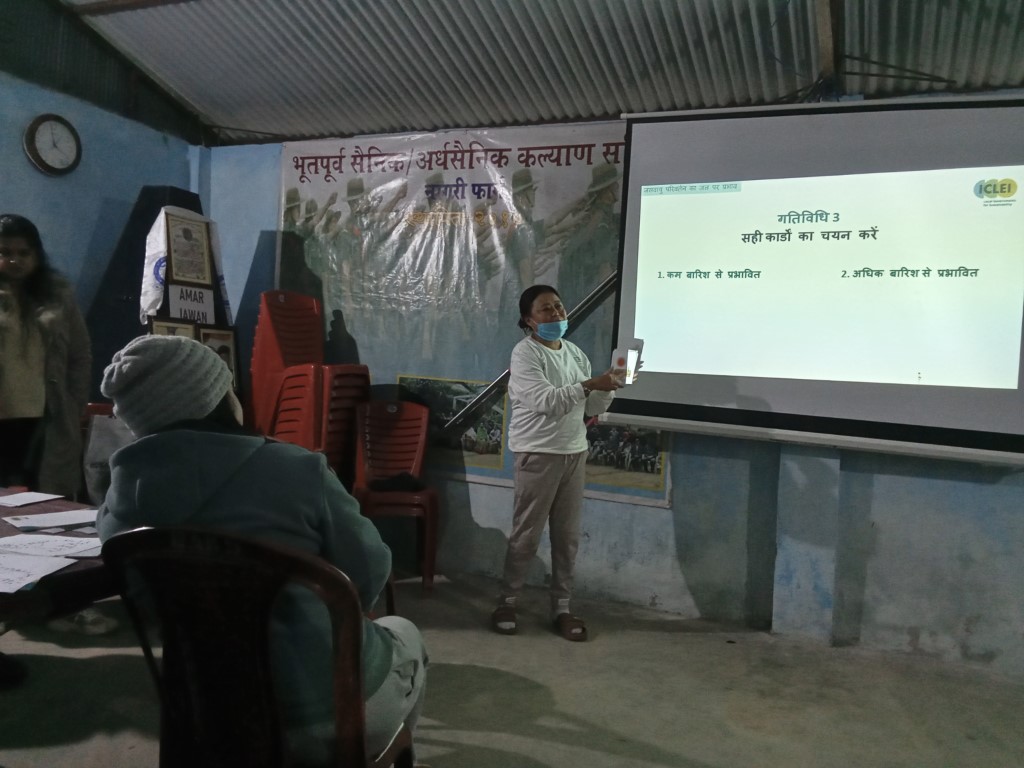
 ICLEI South Asia conducted community training events on water security from 13 – 15 December 2025 across four project sites in Darjeeling district, India. The trainings were conducted under the project “Community-Led Action Plan for Climate Resilient Water Security in Darjeeling Himalayas”, supported and funded by the Swiss Philanthropy Foundation, in collaboration with the Gorkhaland Territorial Administration.
The sessions aimed at identifying and building a cohort of community members who could be trained as barefoot hydrogeologists — individuals equipped with the basic understanding of water resources for locally-led water security planning and management. This cohort will enable the local communities to engage and better inform their respective Gram Panchayats for necessary actions related to water management.
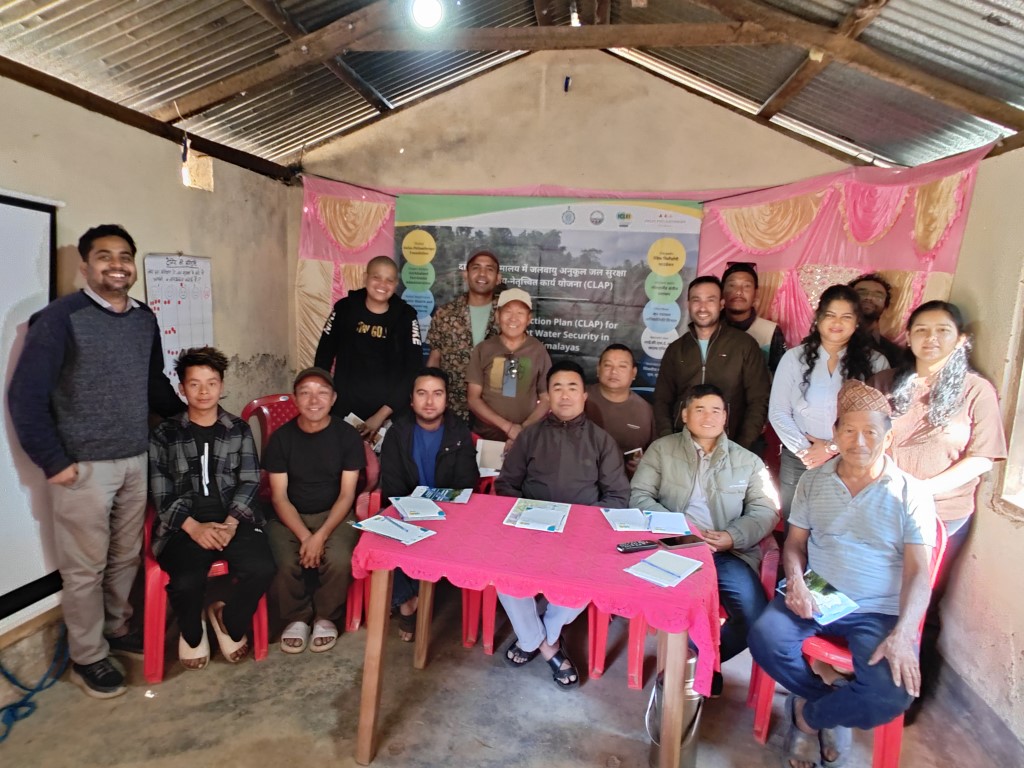
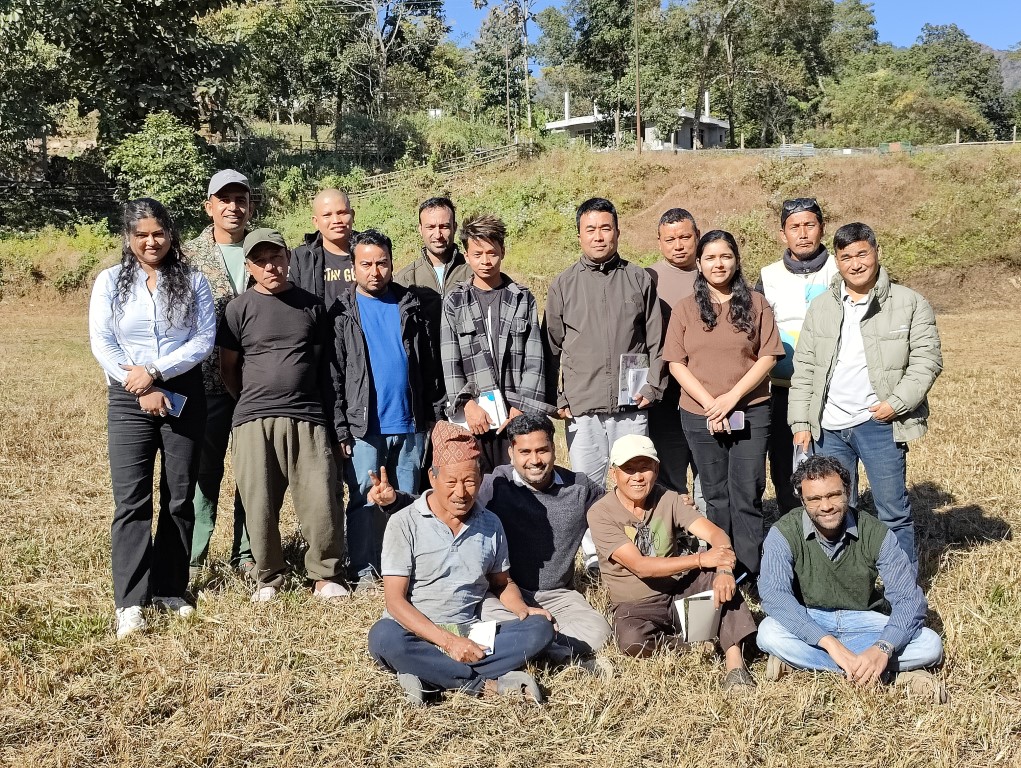
The sessions were organised across four hamlets: Dara Gaon (Nagri Farm Tea Garden), Bahidardhura (Dhajea Tea Garden), Kothidara (Rohini Tea Garden) and Godamdhura (Gidda Pahar Tea Garden). These are among the water-stressed areas of Darjeeling region, facing water-related challenges of availability, access, reliability and storage. Nearly 70 participants attended the trainings, including 25 women and 45 men.
The sessions introduced participants to the fundamentals of water resource management, with a focus on understanding the interlinkages between broad environmental factors and water resources, and their effect on water availability. A key objective was to instill the understanding of climate change impacts on water resources. The sessions covered topics such as the water cycle, factors leading to run-off and recharge of springs, and the significance of monsoons for groundwater and overground resources’ recharge. The climate-focused session touched upon the ‘greenhouse effect’ and impacts of changing rainfall patterns on water resources in the region. Interactive games were used to enhance the understanding of the topics.
Feedback from the participants indicated that they appreciated the content, methods, and group activities. Participants reported that the sessions helped them in understanding the importance of key environmental factors for groundwater recharge and significance of rainfall and recharge in monsoons to have sustained availability of water during dry periods. Participants suggested use of video presentations and more time for discussion for better understanding of subjects.
As part of the ongoing project, further training workshops will be held in the coming months which will focus on methods of water resource (spring) management and monitoring of pilot activities.