Pune launches ‘Green Byte Pune’ to strengthen citywide E-Waste Management
- Conducting a robust baseline assessment of e-waste generation and management practices in Pune
- Mapping the e-waste value chain, including identifying opportunities to responsibly mainstream informal actors
- Supporting the establishment of Decentralised E-Waste Collection Centres (DEWCCs) across the city
- Developing a centralised information repository and dashboard
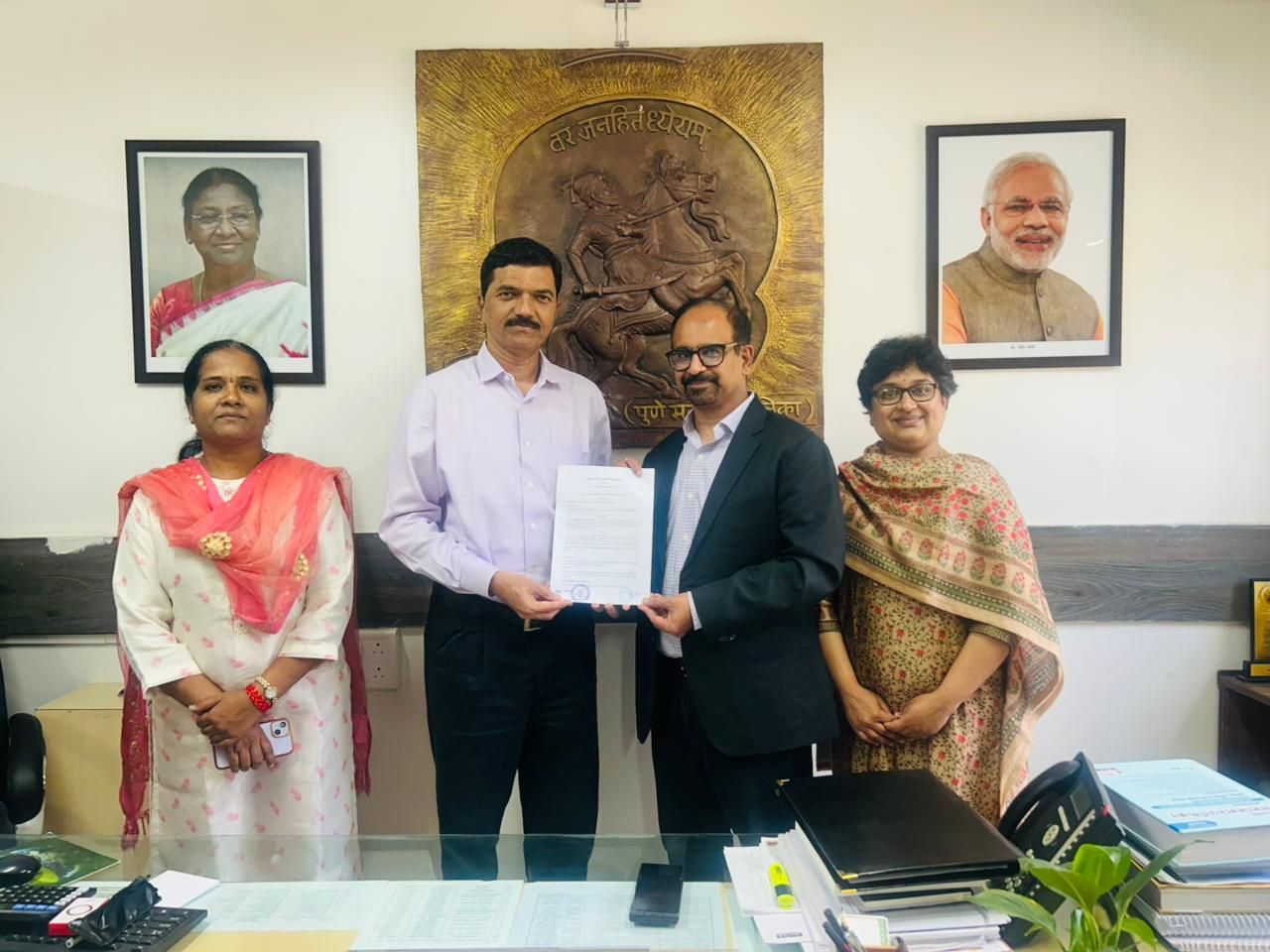
ICLEI South Asia signed a Memorandum of Understanding (MoU) with the Pune Municipal Corporation (PMC) on 17 January 2026 in Pune, India, to initiate the ‘Green Byte Pune’ project. The project, supported by Mercedes-Benz Research and Development India Private Limited (MBRDI), marks a significant milestone in Pune’s efforts to build a robust, data-driven, and circular e-waste management system.
Senior officials from PMC, including Mr. Avinash Sakpal, Deputy Commissioner, and Ms. Pradnya Potdar, Assistant Commissioner, participated in the proceedings. ICLEI South Asia was represented by Mr. Emani Kumar, Executive Director, Ms. Soumya Chaturvedula, Director, along with Amar Kulkarni and Shardul Venegurkar.
The MoU comes at a time when Pune is witnessing a steady rise in e-waste generation alongside increasing risks associated with informal and unauthorised handling. This partnership aims to strengthen the city’s e-waste management framework in line with the E-Waste (Management) Rules, 2022— India’s EPR-based regulatory framework for environmentally sound management and recycling of electrical and electronic waste, while advancing PMC’s broader sustainability and circular economy goals. It establishes a collaborative framework focused on data-driven planning, enhanced monitoring, and improved coordination across the e-waste management value chain. By formalising this partnership early, PMC and ICLEI South Asia will be able to create a comprehensive baseline, enabling informed decision-making and long-term systemic improvements in how e-waste is managed across the city.
Sharing the city’s vision for the initiative, Pavneet Kaur, IAS, Additional Commissioner, PMC, highlighted the transformative potential of the project. “Through the ‘Green Byte Pune’ initiative, we are putting in place a data-driven, citywide e-waste system—from decentralised collection centres to a centralised digital repository and real-time monitoring dashboard. Our focus is simple: divert e-waste away from unauthorised handling, strengthen compliance with the E-Waste (Management) Rules, and make e-waste management in Pune safe, traceable, and circular,” she said.
The initiative contributes to global commitments such as the Sustainable Development Goals (SDGs), particularly SDG 11 (Sustainable Cities and Communities), SDG 12 (Responsible Consumption and Production), and SDG 13 (Climate Action), and supports India’s broader climate and circular economy objectives.
The ‘Green Byte Pune’ project aligns closely with ICLEI’s mission to drive sustainable urban development by strengthening local government capacity, enabling data-led decision-making, and facilitating coordinated approaches, thereby contributing towards its circular development pathway.
Following the MoU signing, ICLEI South Asia will serve as the core implementation agency, working closely with Pune Municipal Corporation to operationalise the project. Key next steps include:
- Conducting a robust baseline assessment of e-waste generation and management practices in Pune
- Mapping the e-waste value chain, including identifying opportunities to responsibly mainstream informal actors
- Supporting the establishment of Decentralised E-Waste Collection Centres (DEWCCs) across the city
- Developing a centralised information repository and dashboard
Together, these efforts aim to create a more integrated, accountable, and circular e-waste management system for Pune, positioning the city as a leader in sustainable urban resource management.