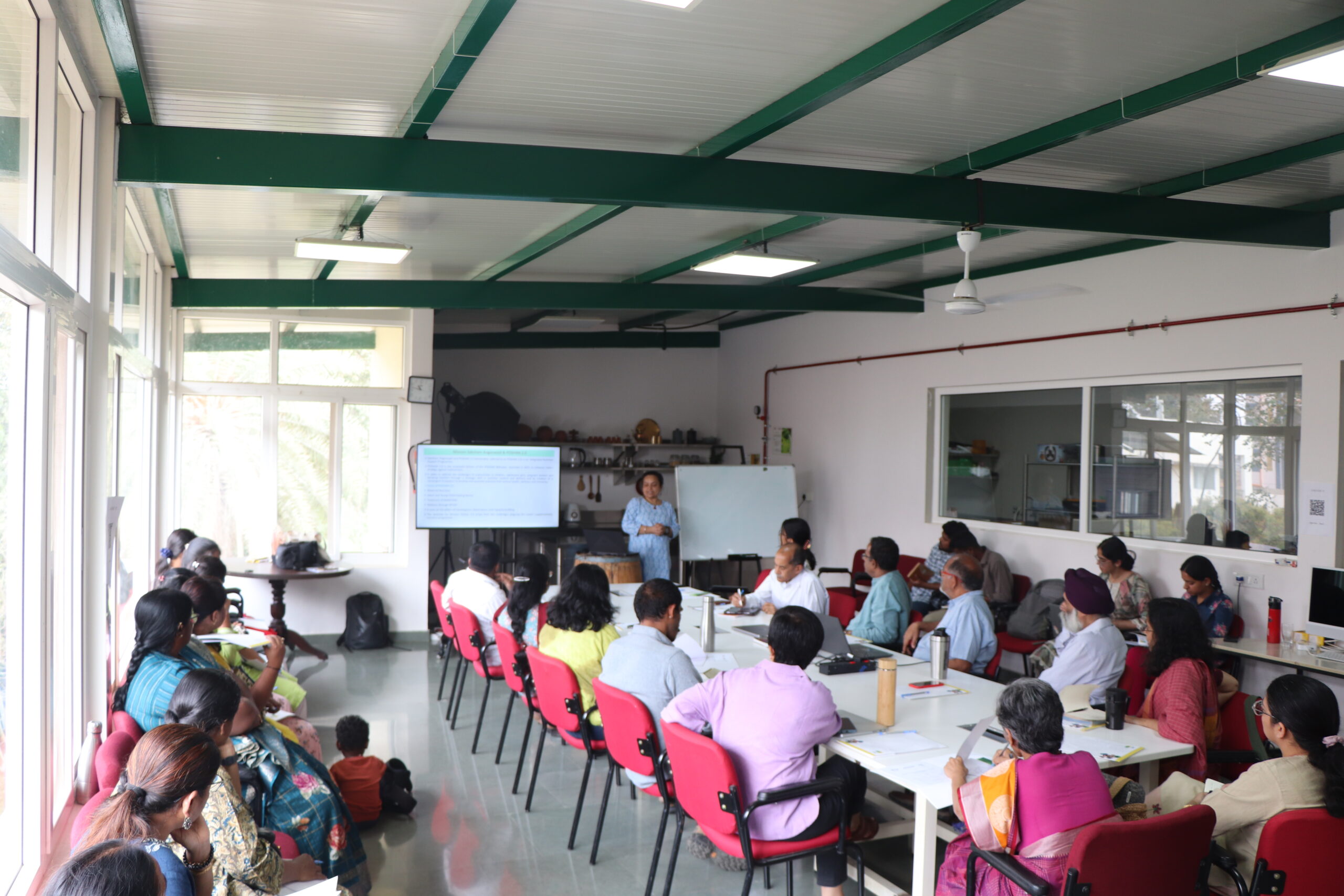
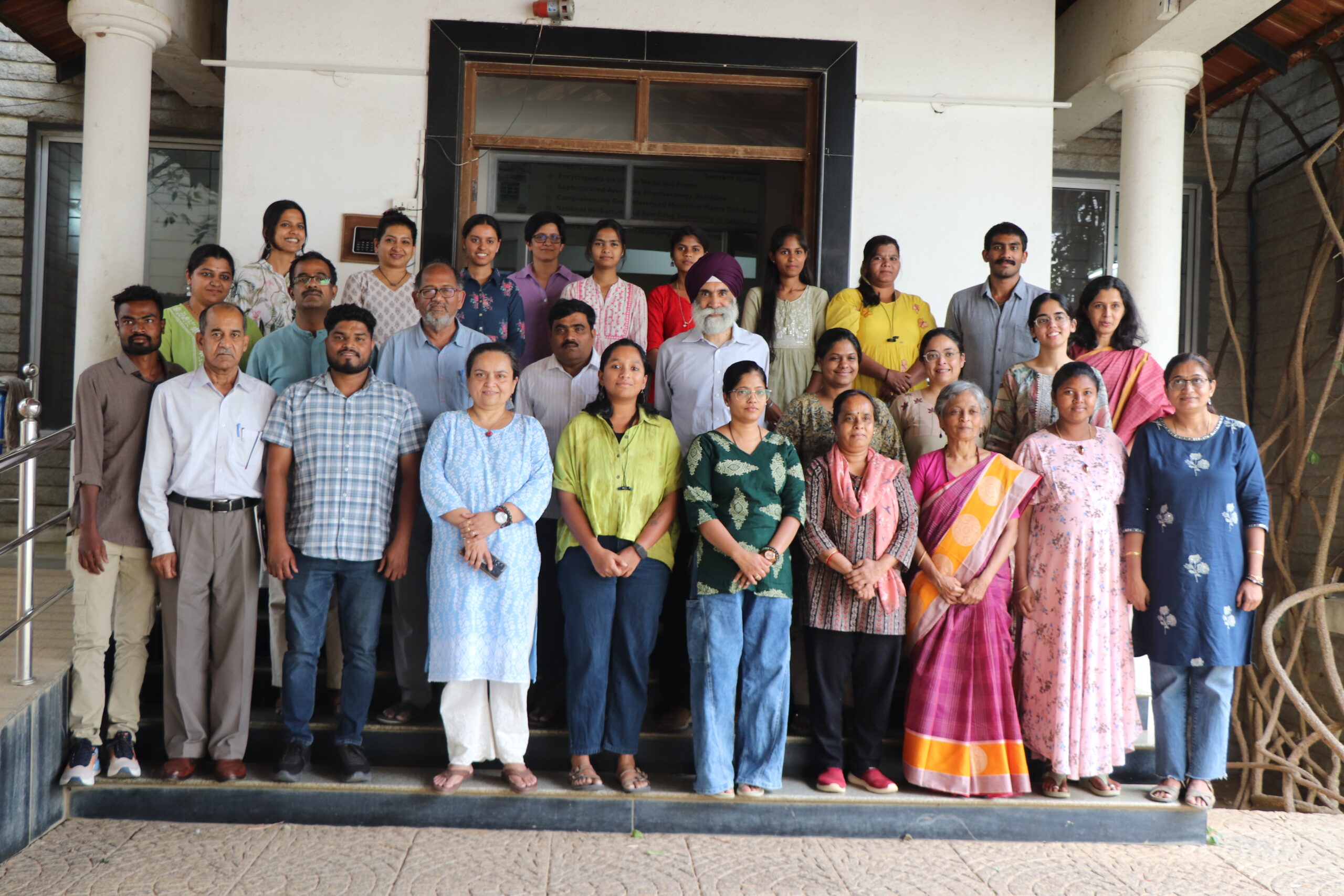
ICLEI South Asia, in collaboration with the University of Trans-Disciplinary Health Sciences and Technology, Bengaluru, organised a policy-level workshop on 26 February 2026, to deliberate on the need and mechanisms for integrating school food gardens into the Pradhan Mantri Poshan Shakti Nirman (PM POSHAN) scheme. The workshop was organised under ICLEI South Asia’s Amazon-supported project, “Development of 75 Food Gardens in 4 Mega Cities in India”, which aims to set up a network of 75 urban food gardens in municipal schools across the cities of Bengaluru, Delhi, Hyderabad and Kolkata.
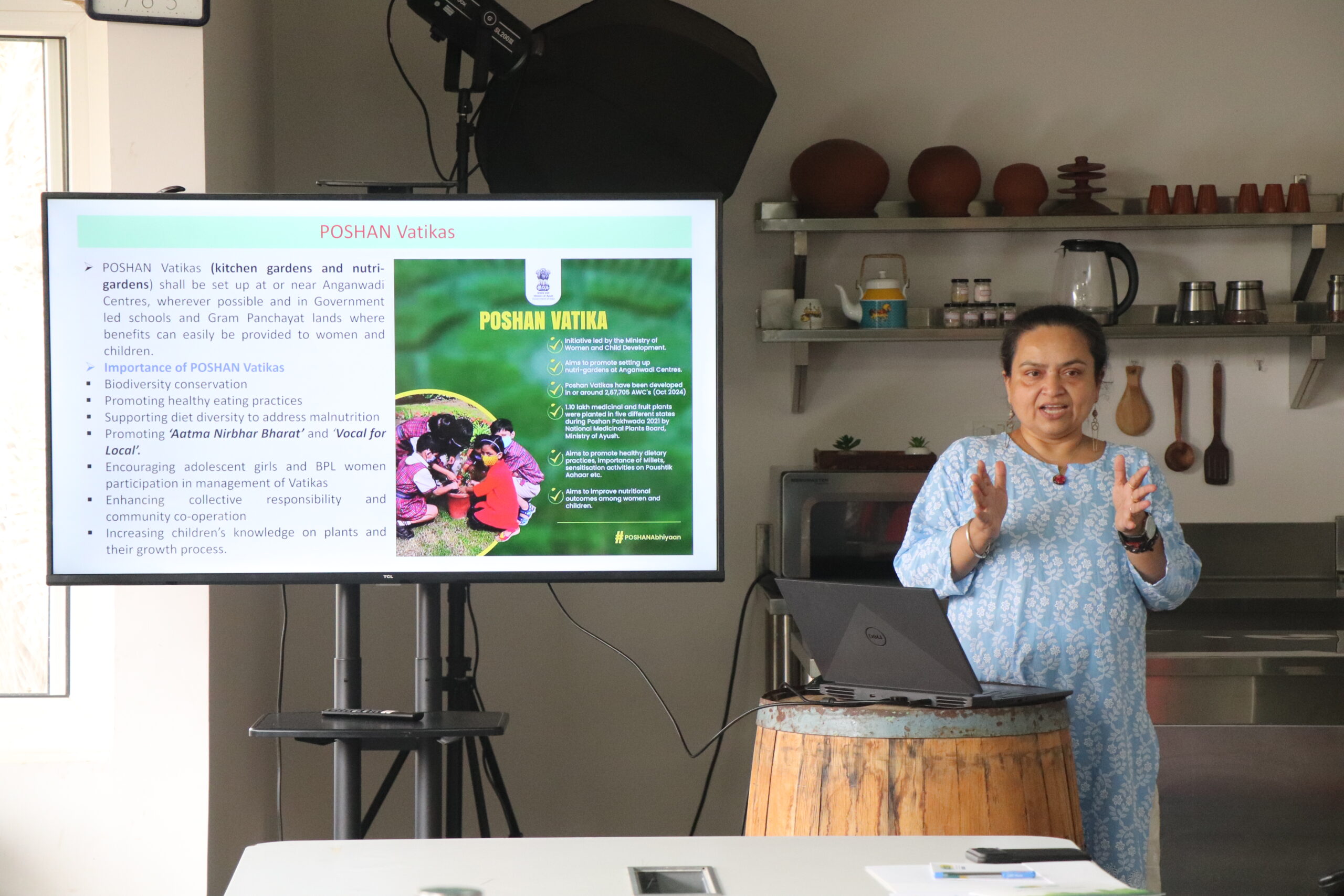
The workshop brought together a diverse group of 32 participants, including various stakeholders, school teachers, non-governmental organisations, civil society organisations, and subject matter experts. A key focus was an in-depth review of the provisions under the PM POSHAN scheme, particularly under the section relating to POSHAN Vatika (Nutri- gardens), which refers to small nutrition gardens set up in or near schools to grow fresh fruits, vegetables, and herbs to help provide healthy, locally grown food for children, improve dietary diversity, and promote self-reliance in meeting nutritional needs.
ICLEI South Asia facilitated the workshop. Through her presentations, Monalisa Sen, Associate Director, ICLEI South Asia, detailed the PM POSHAN scheme and underscored ways in which school food gardens could complement the scheme’s objectives of improving child nutrition while also creating experiential learning opportunities. Taking example from the School Gardening Manual released by ICLEI South Asia, she shared insights on integrating nutrition, environmental stewardship, and experiential education and offered practical, step-by-step framework for schools to plan, implement, and sustain food gardens by integrating activities within their academic curricula.
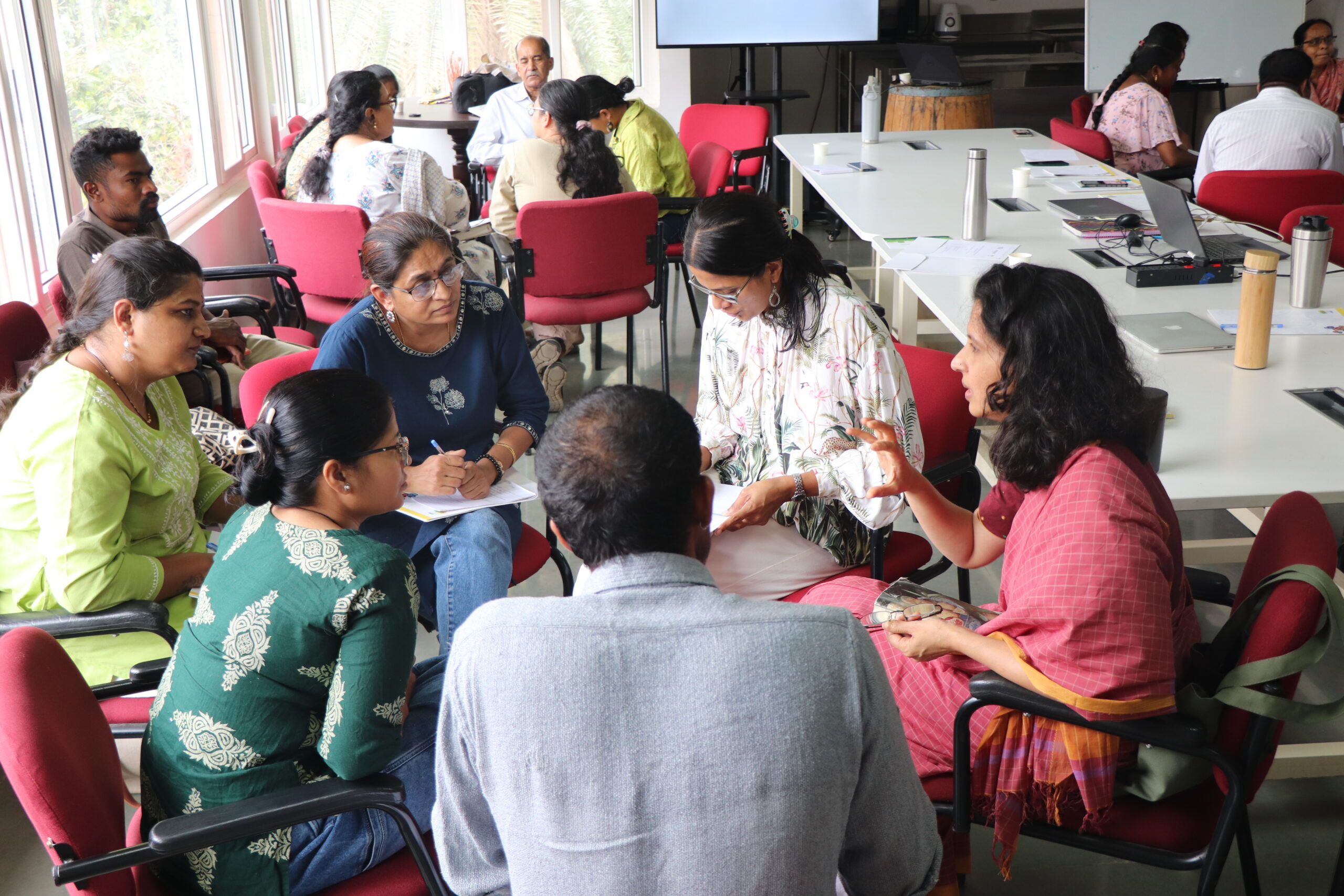
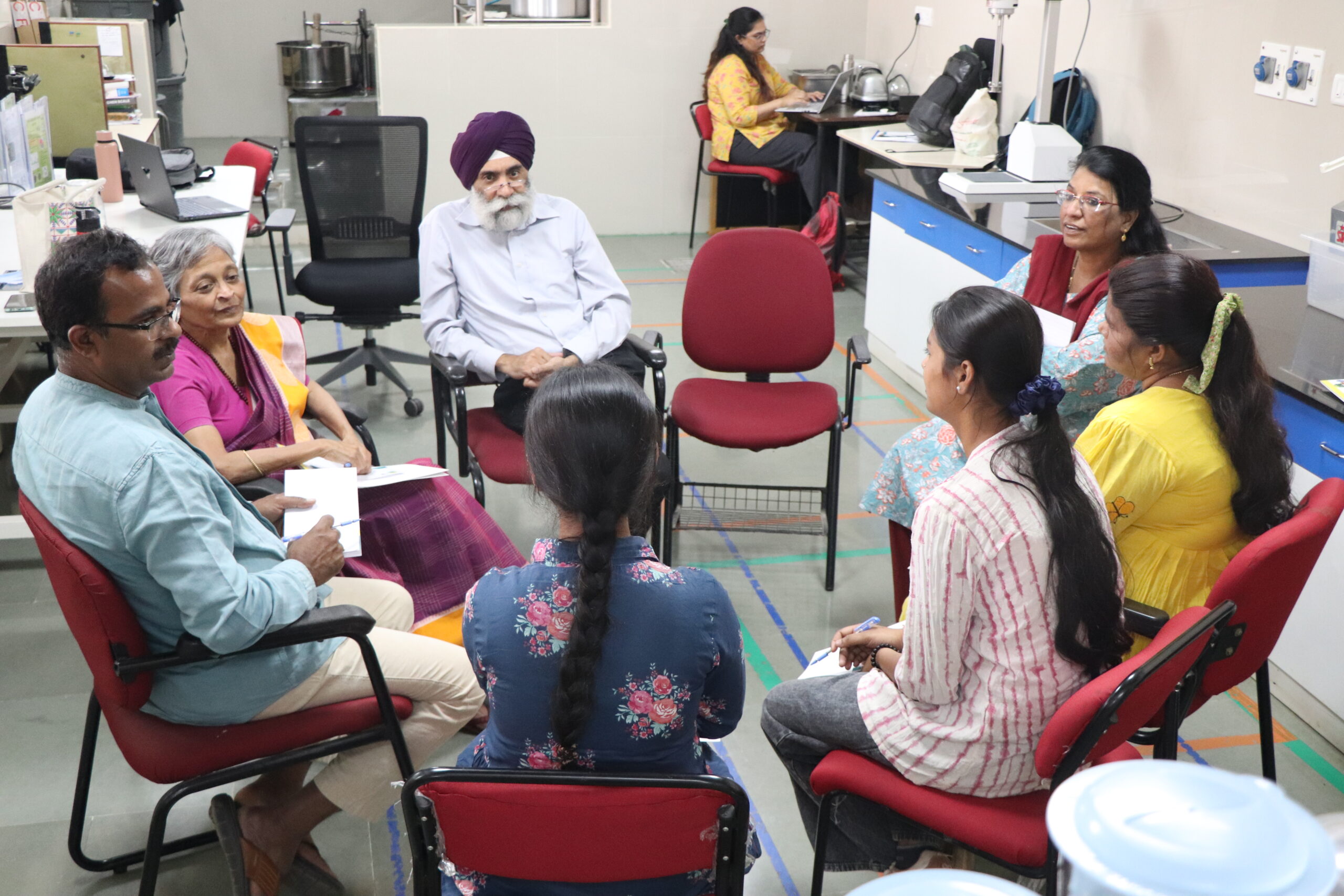
Through group work, participants identified practical challenges in establishing and sustaining food gardens in schools, and dedicated steps that can be taken in order to mainstream such gardens under the PM POSHAN scheme.
A recurring theme throughout the programme was the need for dedicated financial and human resources at the school level. Participants stressed that for food gardens to be sustainable, schools would require clear budget allocations, defined roles and responsibilities, and technical guidance for long-term maintenance. Convergence activities that allied various related schemes and departments were also discussed for seamless integration into the larger scheme.
The workshop in Bengaluru marked the first in a series of city-level consultations under the project. Similar workshops will be conducted in the other project cities (Delhi, Hyderabad and Kolkata), culminating in a national-level discussion in New Delhi to consolidate insights and inform broader policy recommendations.