Cities across the Trans-Himalayan region are on the frontlines of climate change, warming nearly twice as fast as the global average. With rising climate risks, fragile ecosystems, and increasing disaster frequency, the need for faster, locally driven governance has never been more urgent.
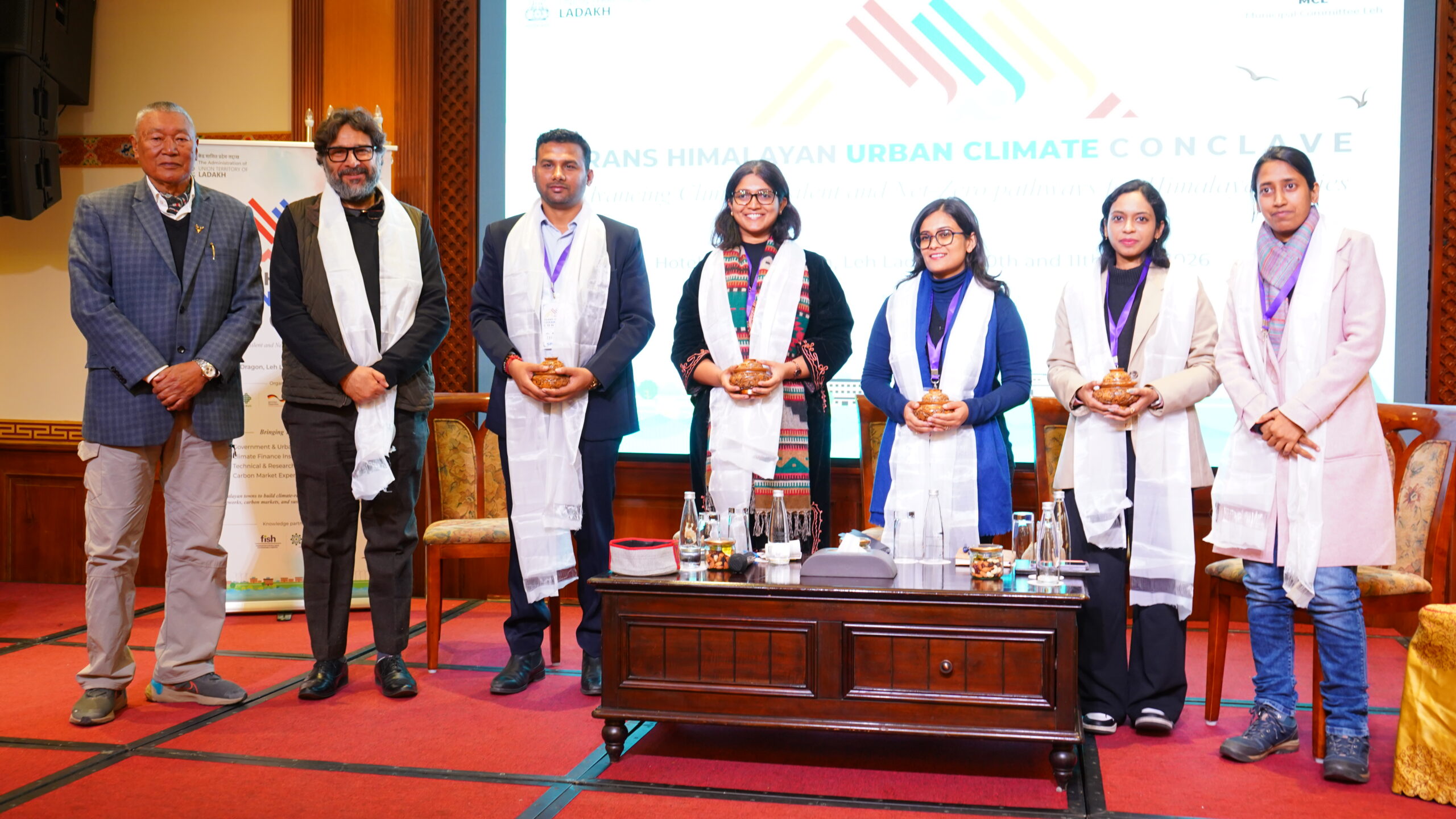
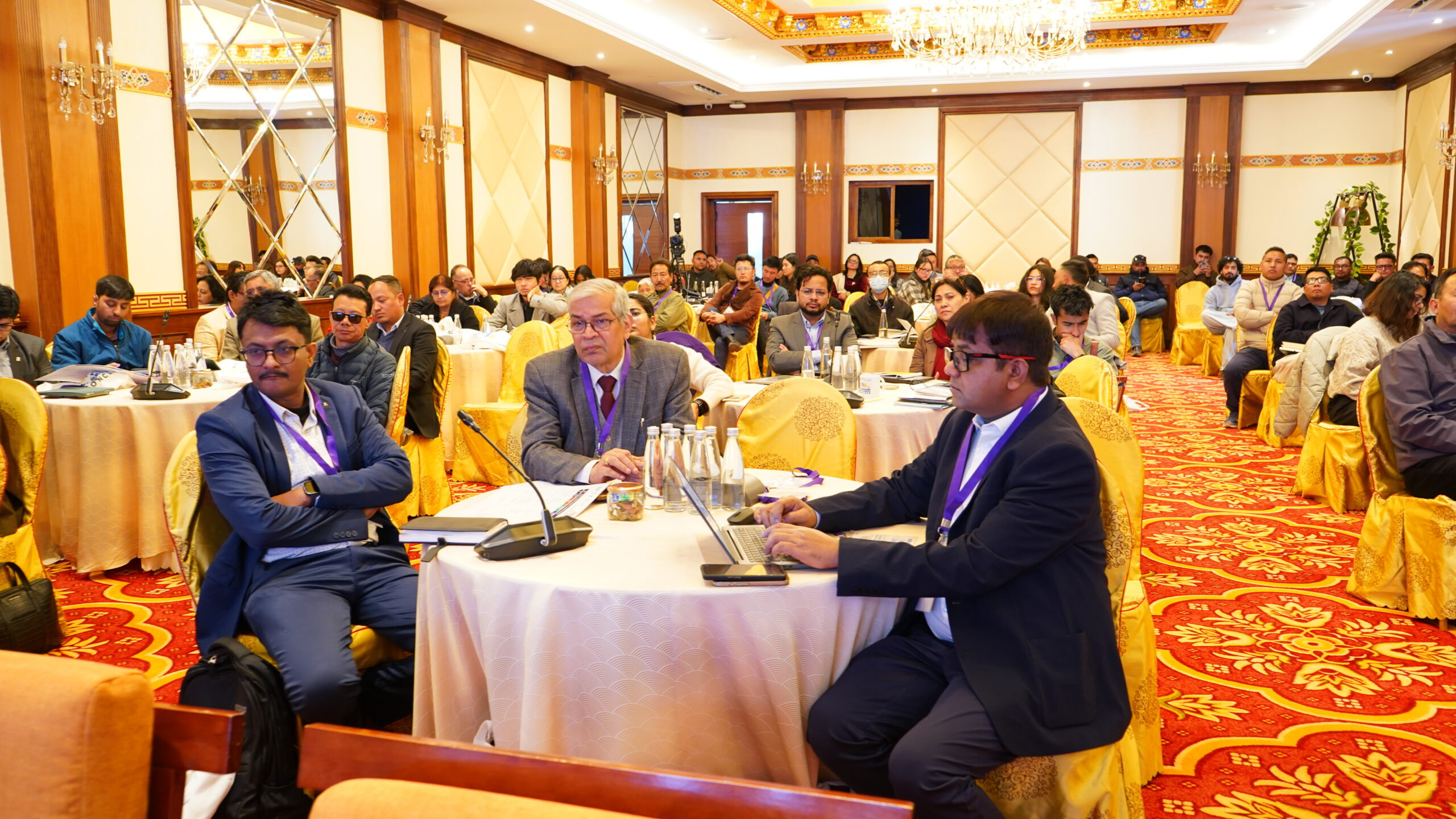
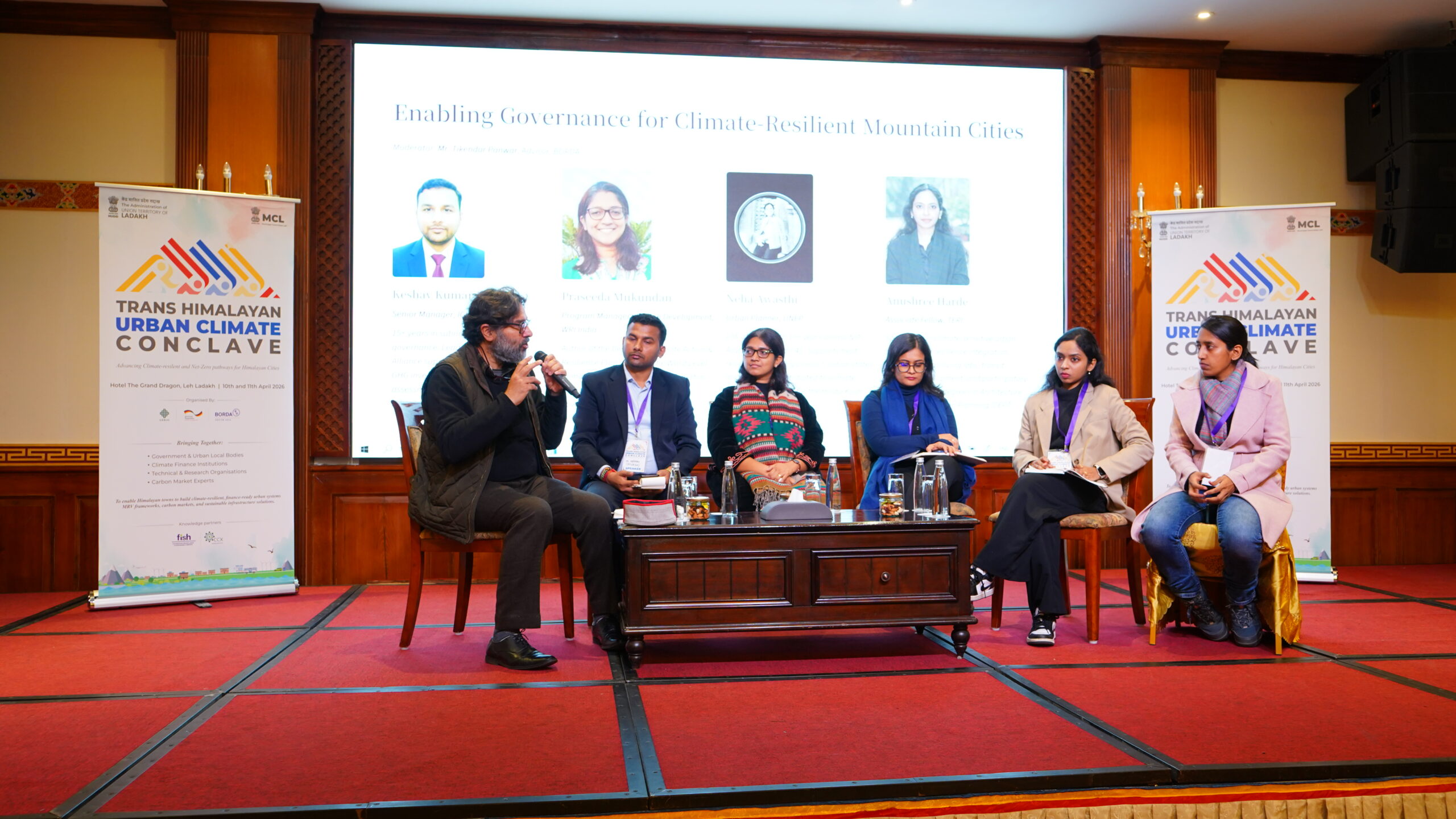
ICLEI South Asia participated in the Trans-Himalayan Urban Climate Conclave 2026 on 10–11 April in Leh, themed “Advancing Climate-Resilient and Net-Zero Pathways for Himalayan Cities.” The event was organised by the Housing and Urban Development Department (HUDD), UT Ladakh, in collaboration with Municipal Committee Leh, Ladakh Ecological Development Group (LEDeG), German Cooperation, and BORDA (Bremen Overseas Research and Development Association) South Asia.
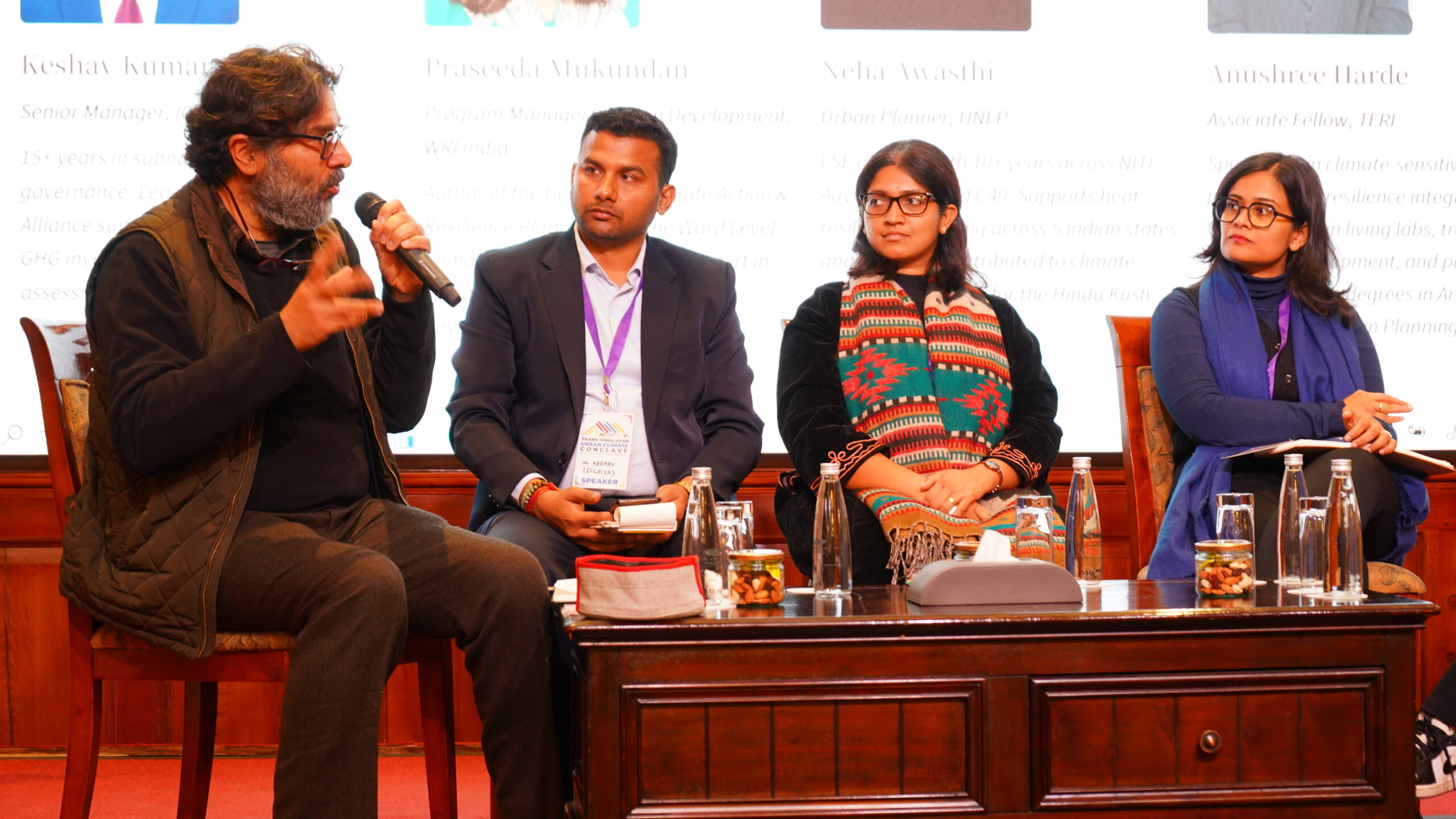
Key stakeholders at the event pushed for a decisive shift: from top-down planning to empowered, bottom-up climate governance. Speaking at the panel discussion on “Enabling Governance for Climate-Resilient Mountain Cities,” Keshav Jha, Senior Manager (Research & Advocacy) at ICLEI South Asia, highlighted that conventional approaches are no longer sufficient for high-risk and geographies and volatile ecosystems such as mountains. Instead, they require integrated, locally contextualised planning, supported by strong institutions, community participation, and data-driven decision-making.
Highlighting ICLEI South Asia’s ClimateResilientCITIES (CRC) methodology, which cities across the region including mountain cities are using for comprehensive climate action planning through multi-climate governance mechanisms, he emphasized the urgent need for a systematic and integrated planning in the hilly regions.
Key highlights from ICLEI South Asia’s intervention included:
- Putting communities at the centre via participatory planning and implementation, with the local population at the centre of decision-making to ensure long-term resilience.
- Design for local realities – Recognising that each mountain city has unique geography and ecology. Therefore, solutions must be locally relevant rather than one-size-fits-all. ICLEI South Asia emphasised that Leh should learn from Shimla’s experience and strictly avoid construction on steep mountain slopes to prevent future losses and repeated disaster risks.
- Mainstream climate into budgets – Annual budgetary planning must apply a climate lens, with projects designed to deliver clear mitigation or adaptation benefits.
- Prioritising nature-based solutions and climate resilience investments. Every $1 invested can yield $6 to $8 in future savings through avoided losses.
- Strengthening governance systems by establishing dedicated climate core committees, climate cells inside urban local bodies, and robust Monitoring, Reporting & Verification (MRV) systems.
- Enabling multi-level integration by developing Climate Action Plans at city, state, and UT levels.
- Scaling hyperlocal solutions by gathering local data and promoting ecosystem restoration such as stream and lake rejuvenation.
- Linking climate plans and policies with the statutory master plan and statutory planning frameworks.
The discussion underscored the importance of integrating local traditional knowledge and practices with modern planning. It highlighted ecosystem-based adaptation measures such as terracing and bioengineering, combined with improved energy access through solar and biogas, promoting cool surfaces, green corridors, and passive building designs that simultaneously cut energy demand for cooling and reduce heat stress.
ICLEI South Asia remains committed to supporting cities across the Trans-Himalayan region in building climate-resilient, low-emission futures.