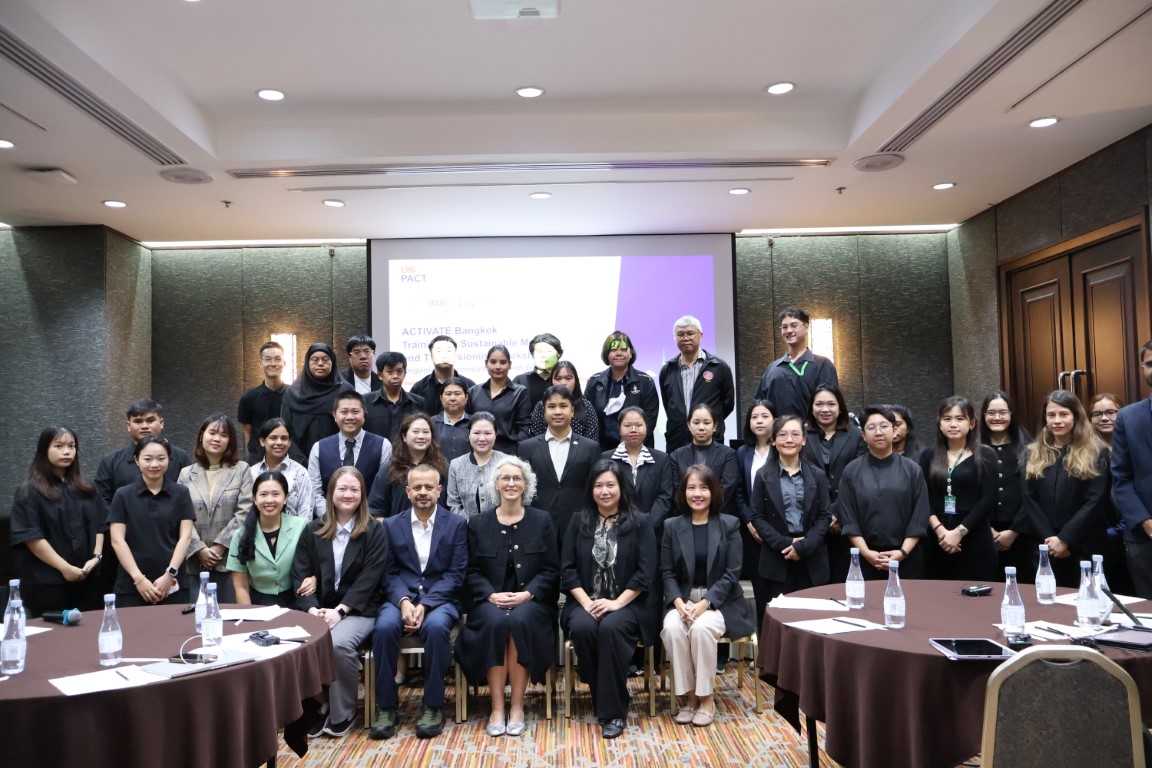
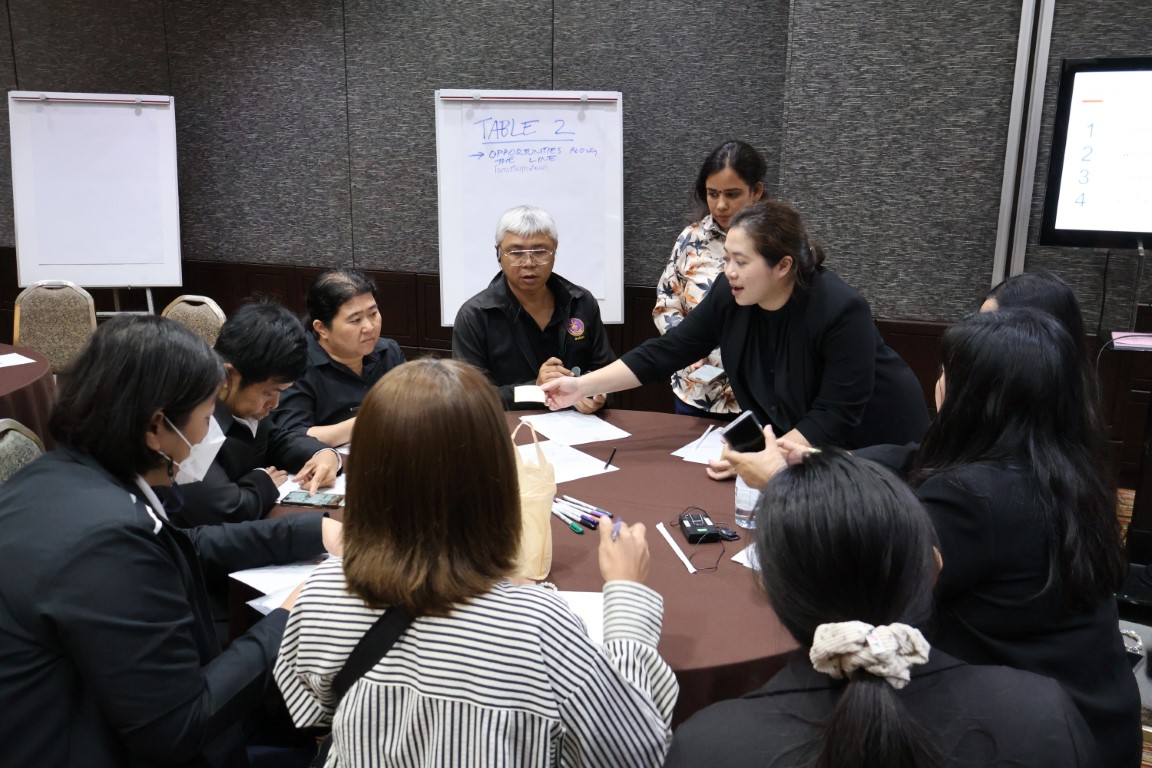
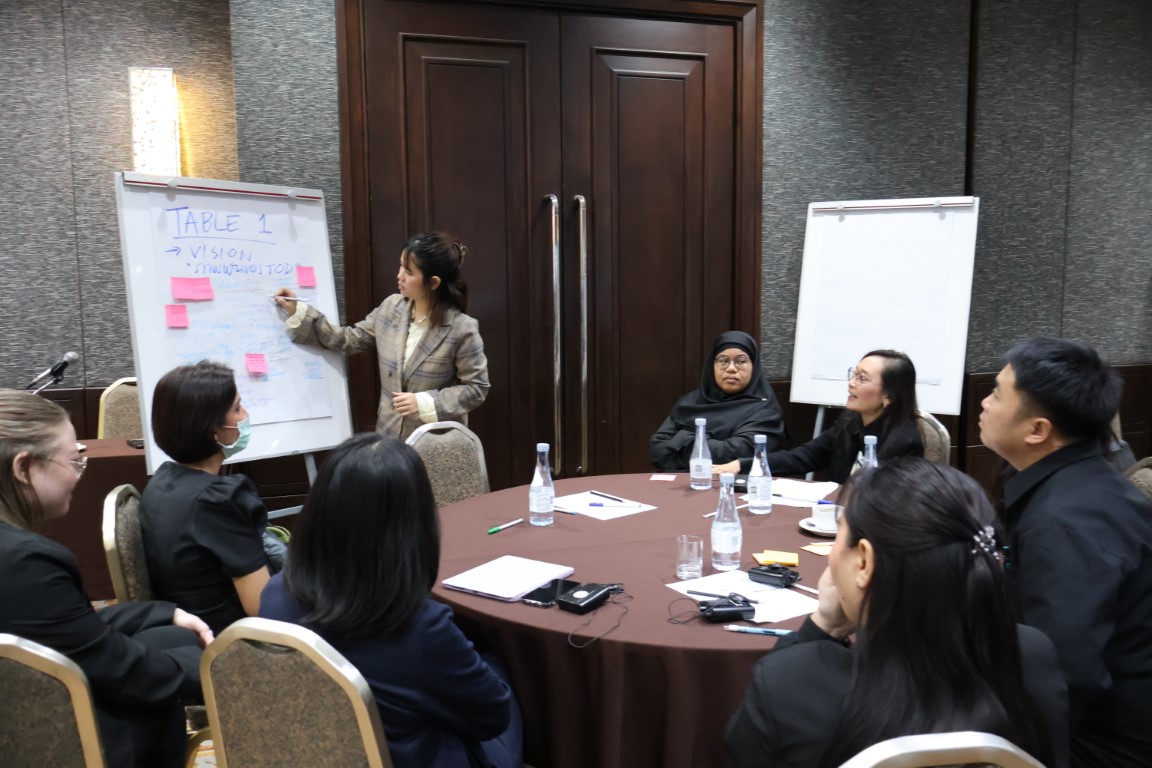
Under the “Accelerating Climate-Resilient Transit-Oriented Inclusive and Vibrant Areas for Everyone in the Bangkok Metropolitan Area (ACTIVATE Bangkok)” Project, supported by the Thailand–UK PACT Programme, two visioning and capacity-building workshops were held in November and December 2025 to enhance sustainable urban mobility, climate resilience, and community engagement in the Bangkok Metropolitan Area. The workshops were aimed at advancing Bangkok’s approach to Transit-Oriented Development (TOD), climate resilience, and inclusive urban planning.
The initiative is being implemented in collaboration with the Bangkok Metropolitan Administration (BMA), UN-Habitat, ICLEI, and the Thailand Environment Institute Foundation (TEI). The project addresses urban mobility, climate resilience, and inclusivity in Bangkok. In promoting Transit-Oriented Development (TOD), the project considered climate adaptation through the three dimensions of adapting infrastructure, adapting the urban environment, and adapting social behaviour.
Building a shared vision for TOD
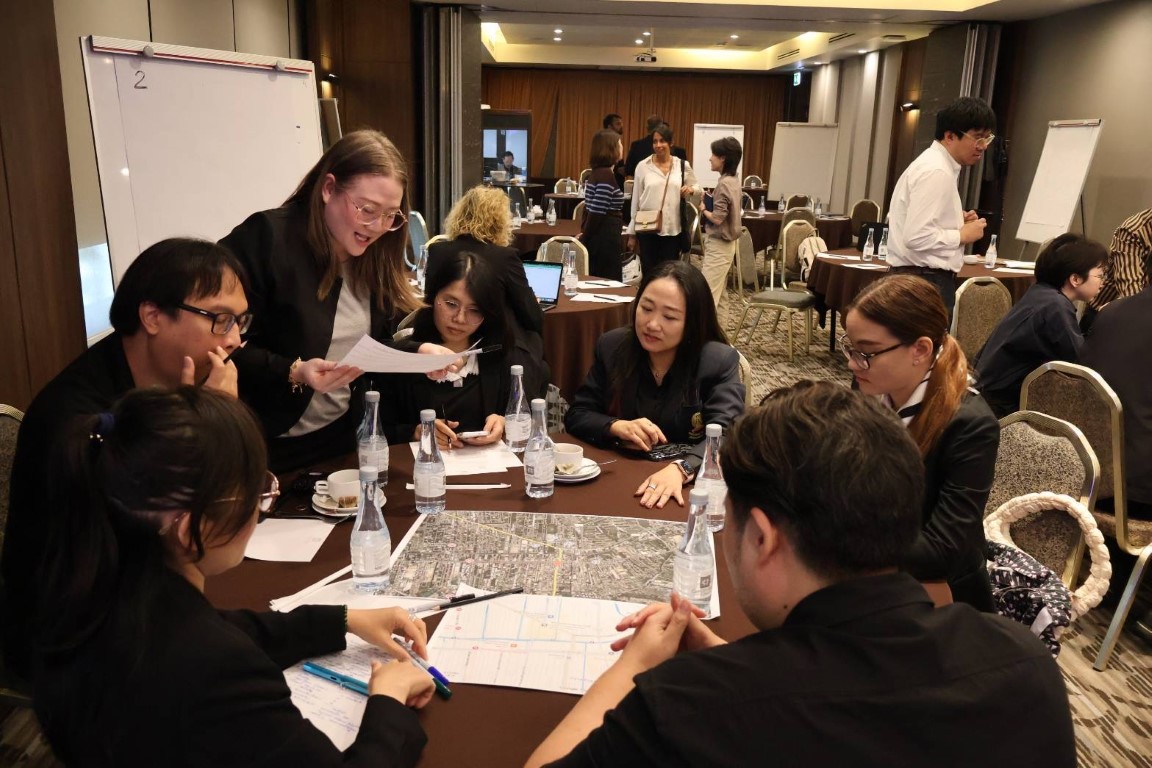
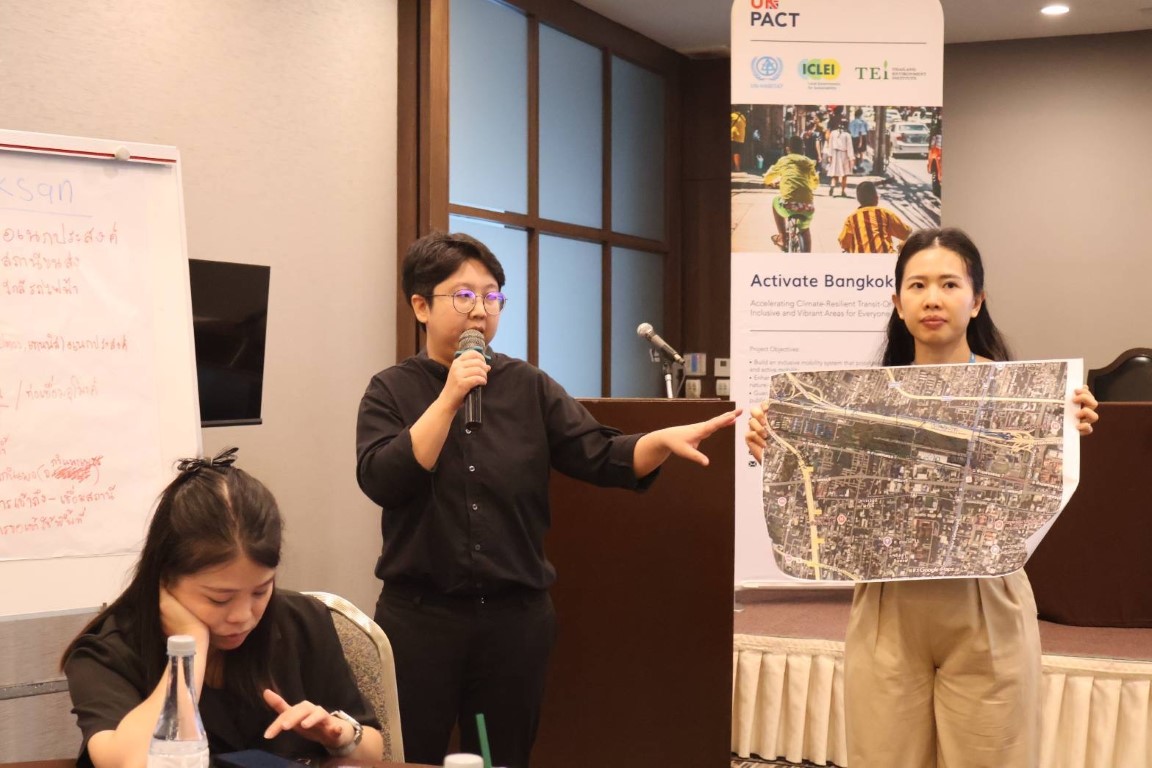
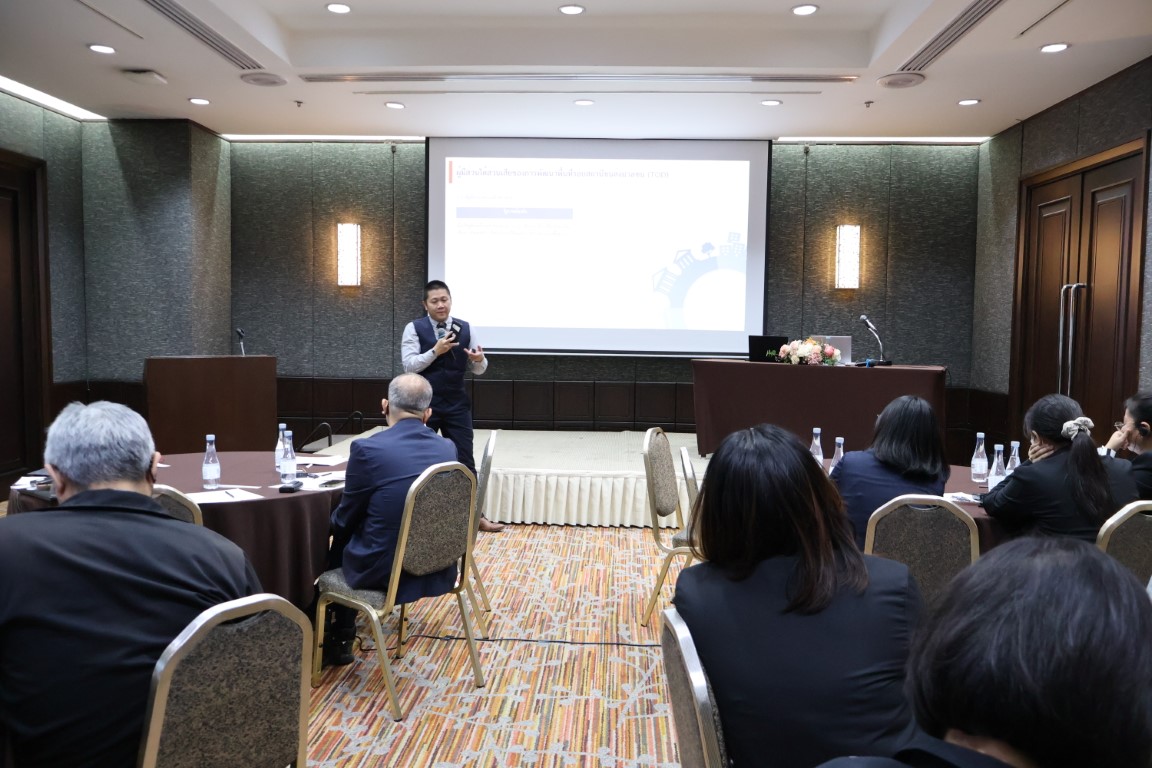
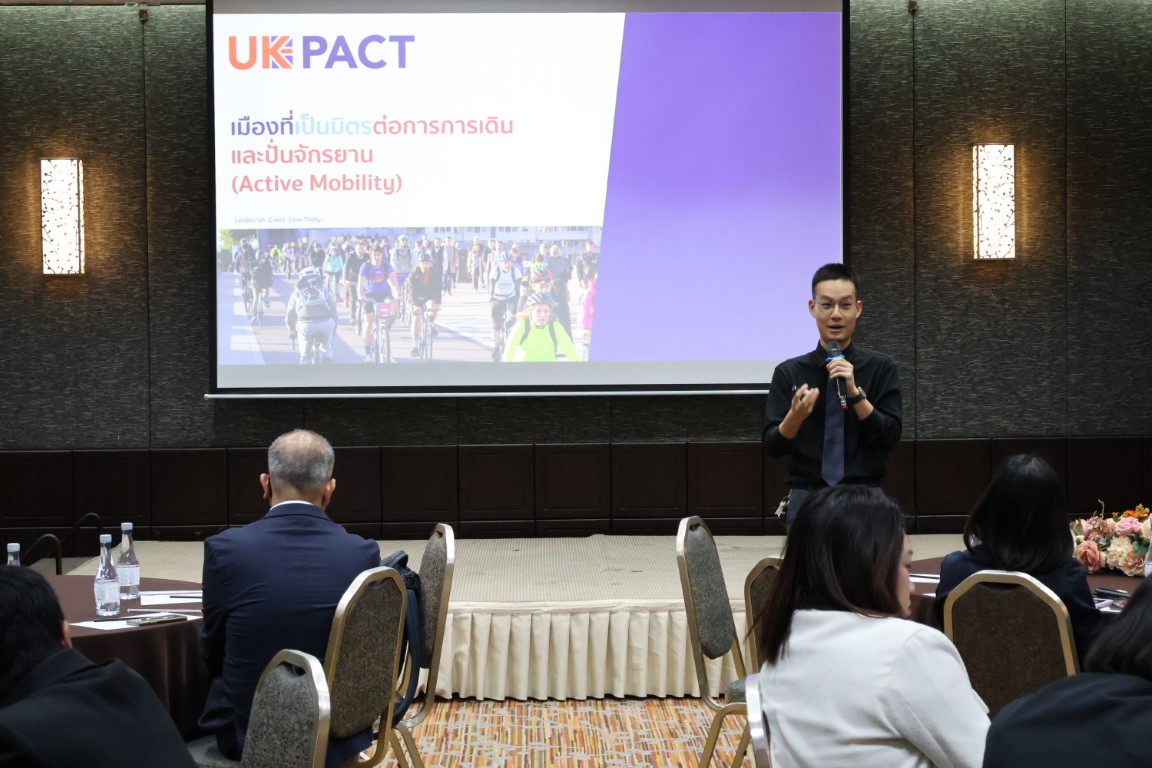
The first workshop, held on 25–26 November 2025, marked the start of the ACTIVATE Bangkok training series and focused on building a shared vision for TOD in Bangkok, a vision for neighbourhoods that are connected, accessible and resilient, with public transit at the heart of urban life. Stakeholders from BMA, development partners, and civil society explored key urban challenges, validated a SWOT (Strengths, Weaknesses, Opportunities, Threats) analysis, and identified barriers such as limited last mile connectivity, rising housing costs in central areas, fragmented transport systems, and poor connectivity in peripheral neighbourhoods. Participants co-created visions around walkability, shared mobility, tactical urbanism, and stronger partnerships, with a dedicated focus on gender equality, disability, and social inclusion (GEDSI).
A second workshop on 15–16 December 2025 focused on integrating climate adaptation and nature-based solutions into transport and city planning. The specific objective of this session was to integrate urban green infrastructure into transportation and city planning to enhance climate resilience. Key participants included BMA officials, urban planners, civil society organisations, the private sector, and development partners, including UN-Habitat, ICLEI, TEI, and Chulalongkorn University.
Towards meaningful urban transformation
Discussions highlighted the urgency of addressing Bangkok’s growing climate risks such as urban heat, floods, coastal erosion, and the vital need to enhance sustainable, resilient, and ensuring a climate-proof future for cities.
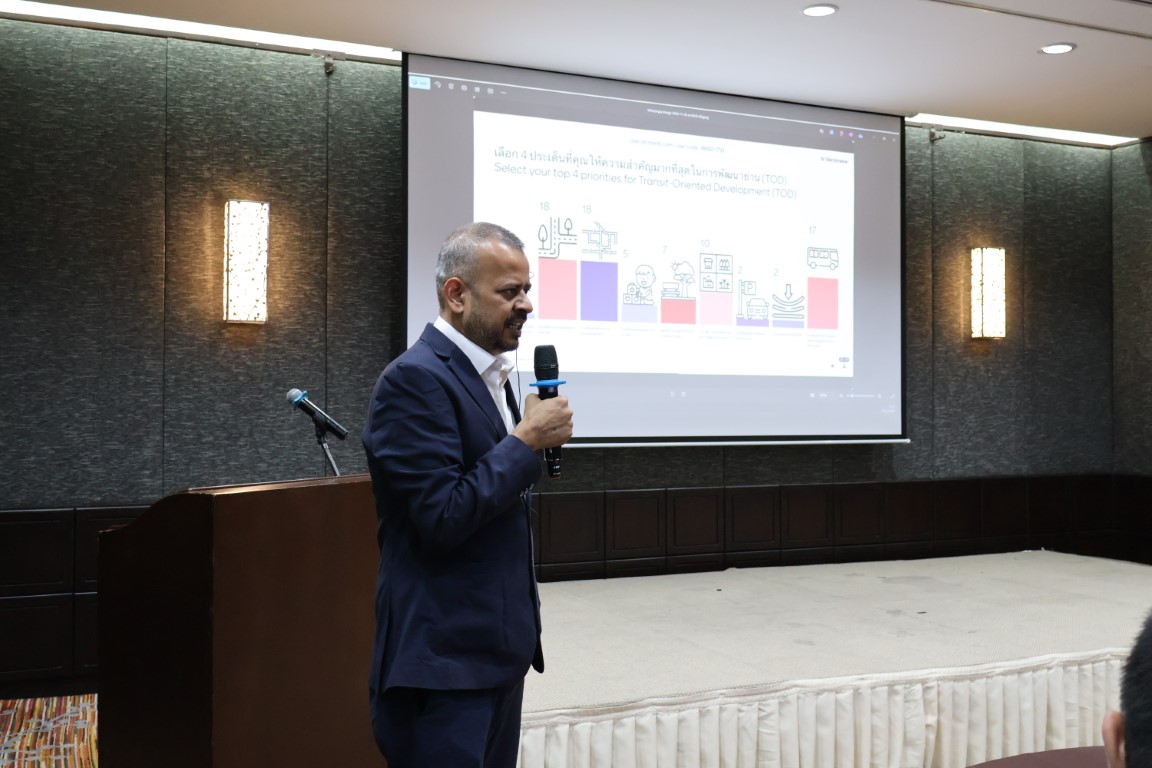
Through presentations and case-based group work, participants applied TOD and nature-based solutions to practical planning scenarios, demonstrating how even small, targeted interventions can generate meaningful urban transformation. Speakers underscored TOD’s role in advancing equity and reducing emissions by connecting communities to employment, services, and amenities, while promoting long-term, systems-based thinking for sustainable cities.
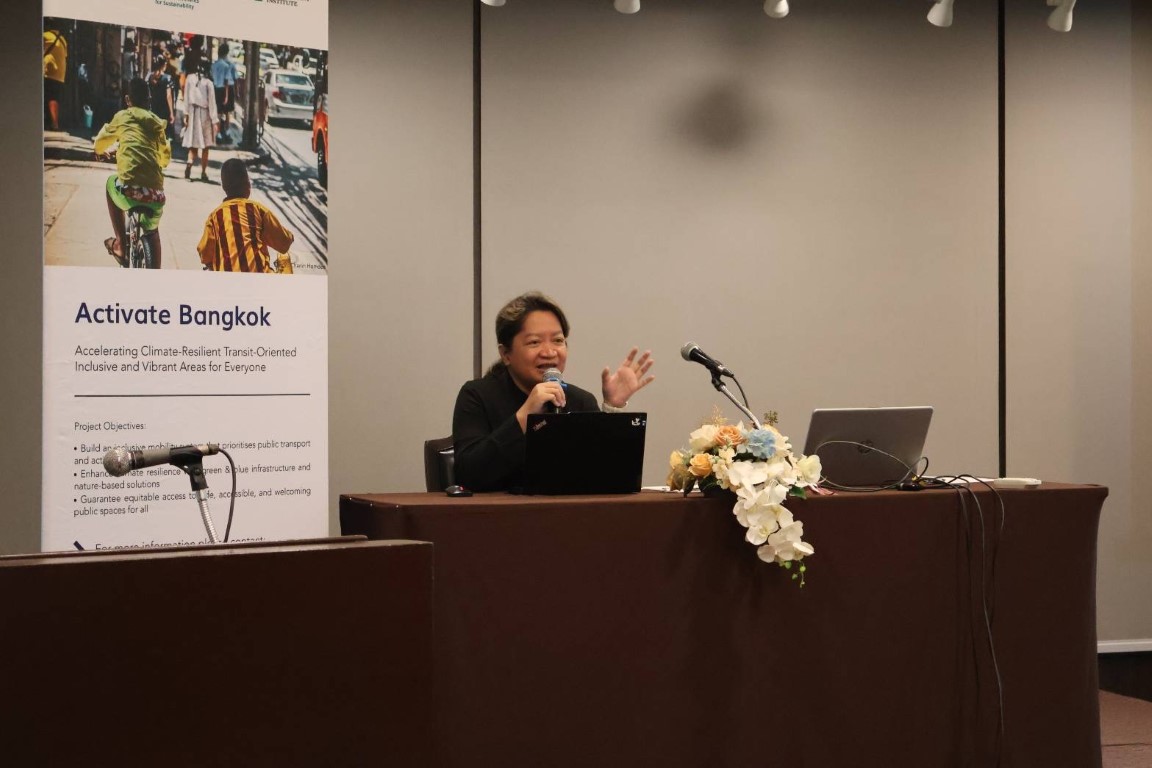
“TOD is pivotal to ensure equity in development such that communities are connected to employment centres, recreation venues, and necessary amenities while emissions from enabling public transport are reduced,” noted Divya Prakash Vyas, Associate Director & Head, Urban Practice, ICLEI South Asia.
Moving the TOD vision closer to reality
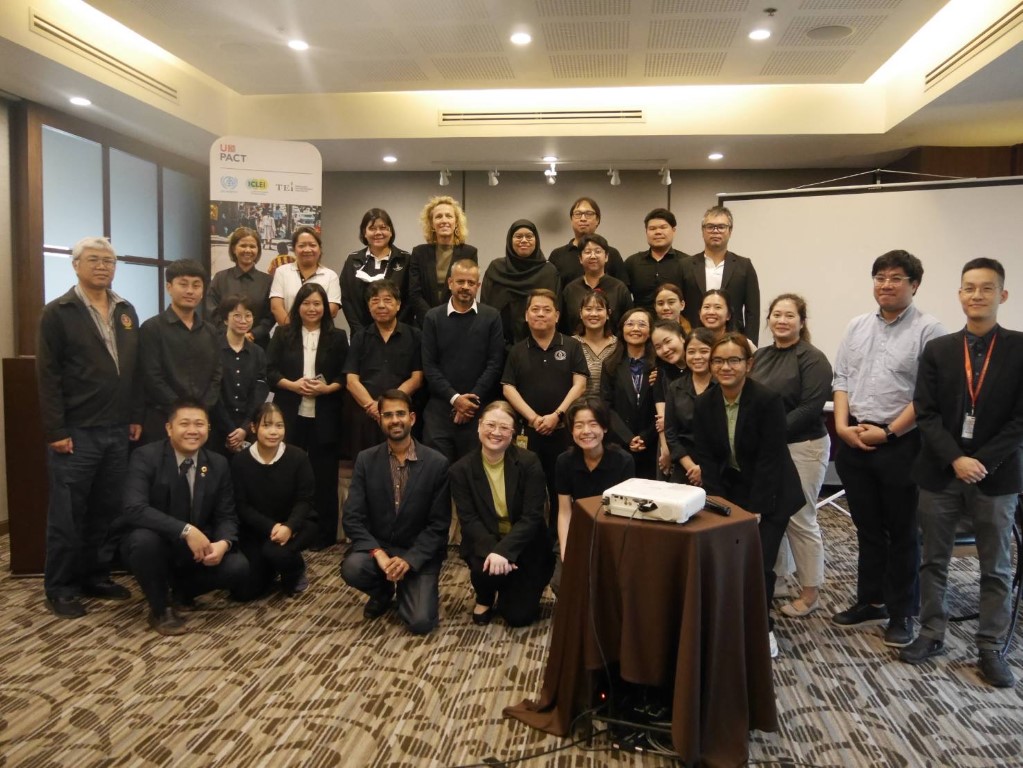
Together, the two workshops strengthened technical capacity of Bangkok Metropolitan Authority and built momentum under the ACTIVATE Bangkok project, supporting a more connected, resilient, and people-centred urban future for Bangkok. They helped in building a shared understanding and application of TOD principles integrated with climate adaptation and enhanced stakeholder collaboration with a strong focus on inclusivity, equity, and resilience building for Bangkok city.
Building on this momentum, the ACTIVATE Bangkok project will move the TOD vision closer to reality. The next steps will focus on carrying out detailed spatial analysis and developing conceptual master plans for selected priority transit stations. A clear TOD Roadmap through multistakeholder consultations involving city agencies, communities, experts, and partners, will be developed. Parallelly, the project will focus on the identification, design, and implementation of tactical urban interventions around priority transit stations and corridors to demonstrate the practical application of TOD principles in the city.