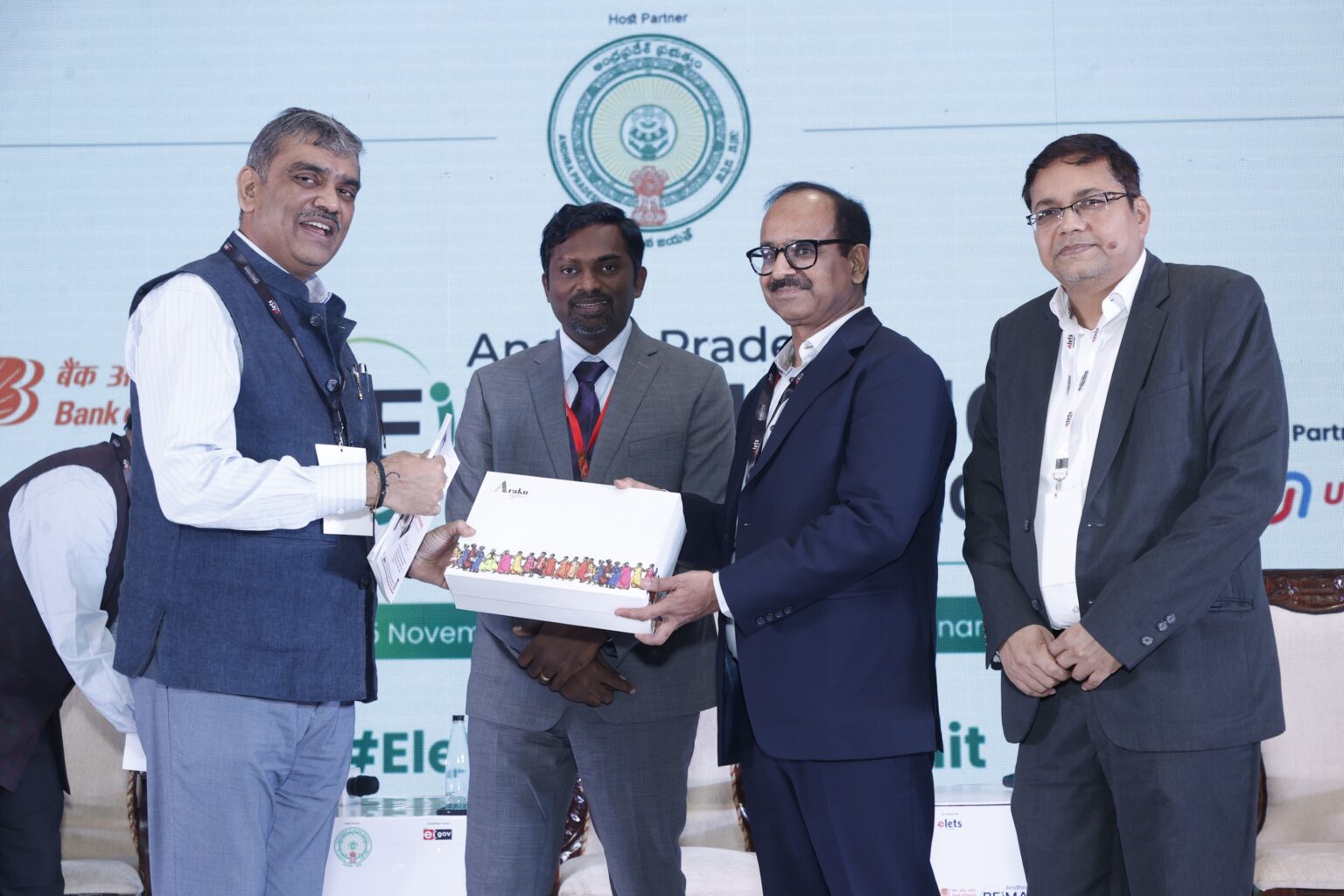
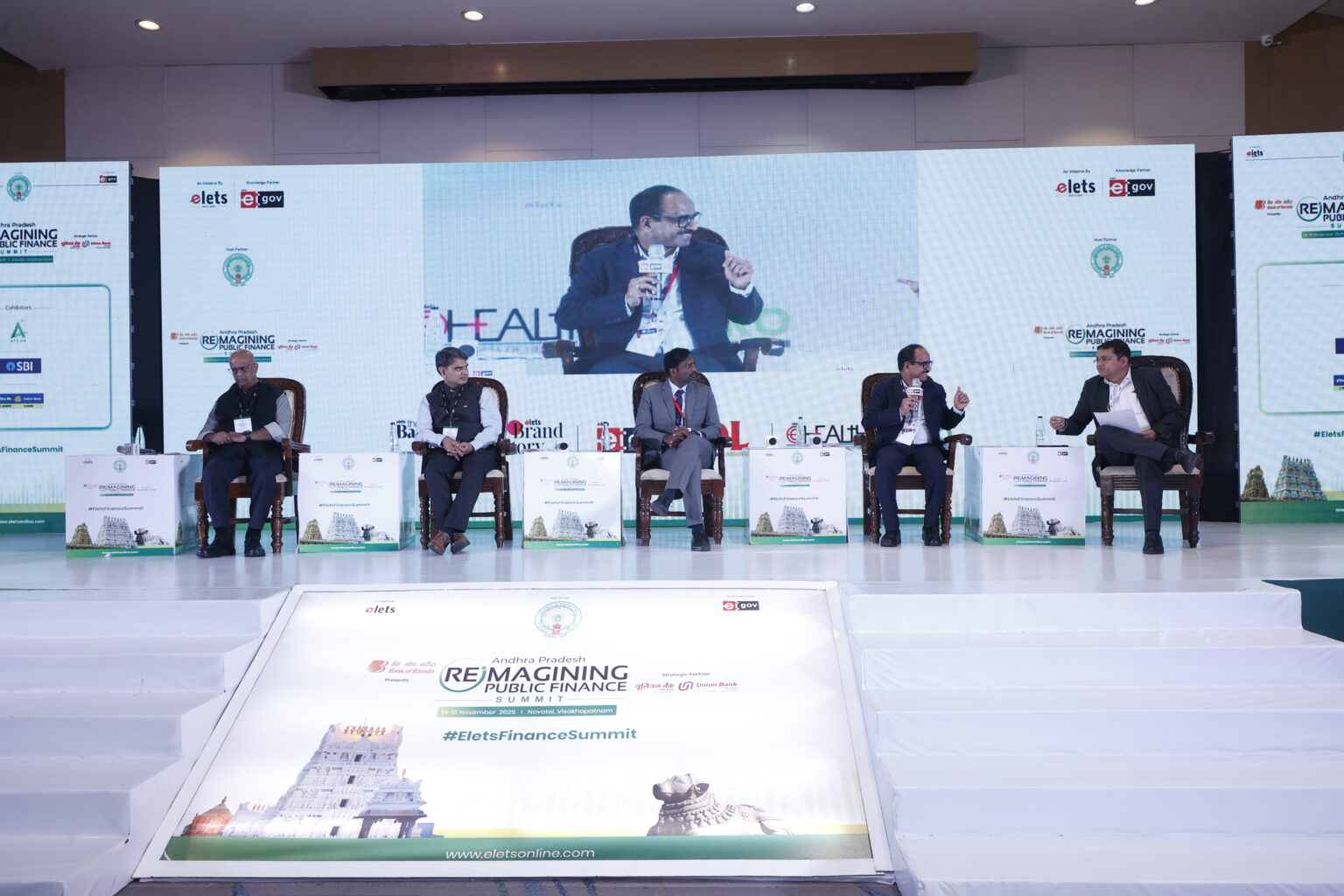
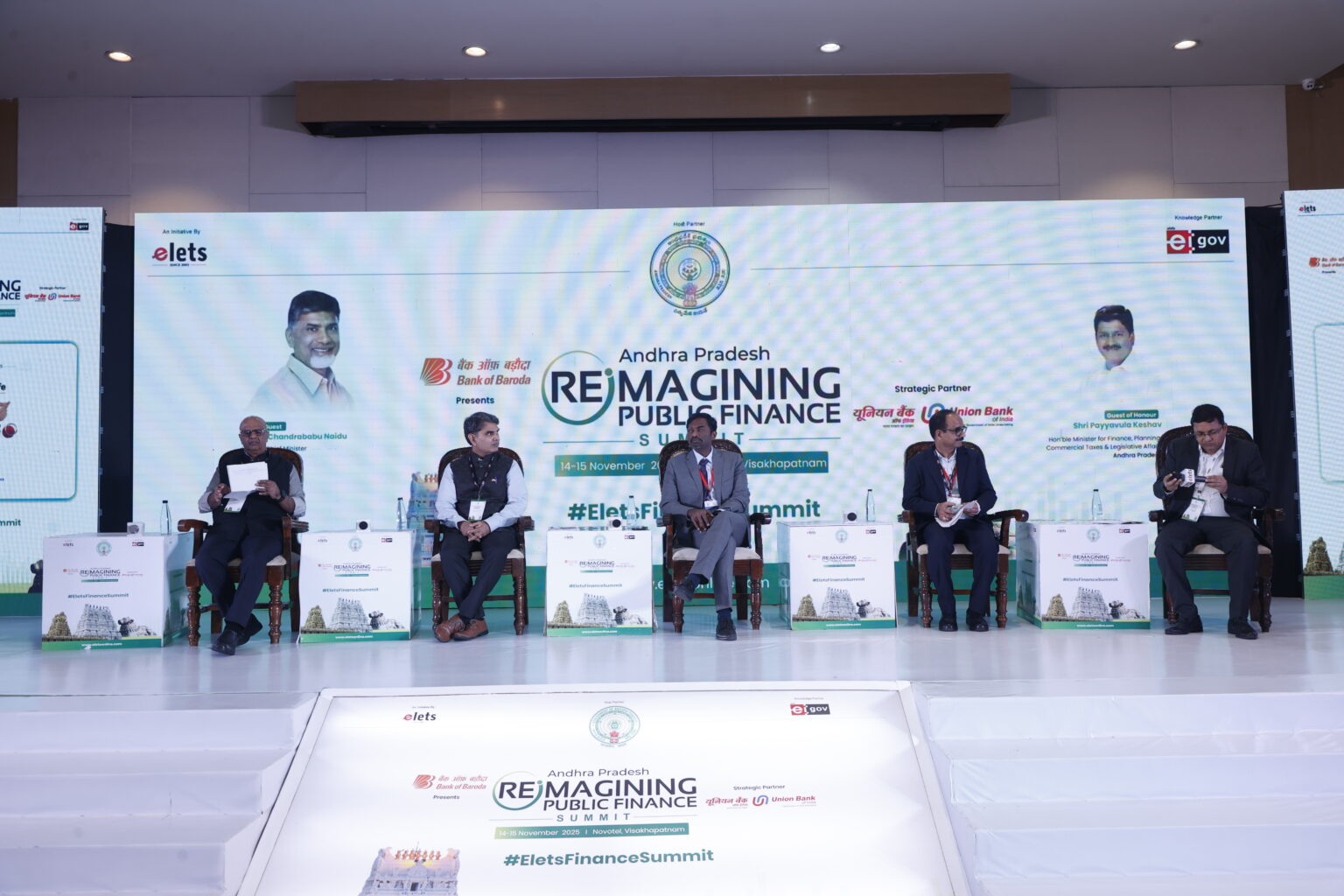
ICLEI South Asia participated in the Andhra Pradesh Reimagining Public Finance Summit 2025. Mr. Emani Kumar, Executive Director, ICLEI South Asia and Deputy Secretary-General, ICLEI, joined as a panellist in the session titled “Capacity Building & Institutional Finance Reform” on 15 November 2025. The session brought together senior government officials, finance professionals, and sectoral experts to discuss strengthening institutional systems for sustainable public finance.
Speaking at the event, Mr. Kumar underscored ICLEI South Asia’s work in the state and mentioned the completed climate action plan for Amaravati, the new capital city of Andhra Pradesh. He cited that the organisation undertook similar assignments for other cities, including Visakhapatnam. He stressed that translating climate plans into on-ground action depends heavily on finance and administrative systems.
“When we talk about climate change and about bringing projects onto the ground, you in the finance and government systems are the key people who approve and sanction budgets,” he said. This, he added, makes capacity building for finance teams essential for ensuring that climate projects move from planning to execution.
Climate-responsive project implementation
He noted that preparation of climate action plans must be matched with practical capacity to secure funding and implement projects. Sharing examples from ICLEI South Asia’s work in Tamil Nadu and Gujarat, he explained how finance teams at state and city levels were trained to understand climate-resilient project pipelines, assess financial requirements, and enable implementation.
He also pointed out a key systemic challenge of the widespread use of the “L1” procurement model, where the lowest-cost bidder is selected
“Sometimes the technology required to address climate challenges is not the lowest-cost option initially. Cities must compare like with like, understand technical specifications, and make informed choices on technology and financing,” he said. ICLEI South Asia’s capacity-building efforts, he added, focus on improving this technical understanding, strengthening tender preparation, and facilitating peer-to-peer exchanges among finance teams across states.
Climate Budgeting and Capacity Building for ULBs
Highlighting emerging innovations in urban finance, Mr. Kumar drew attention to the introduction of climate budgets in Indian municipal systems. He cited the Ahmedabad Municipal Corporation’s pioneering effort, which has integrated a dedicated chapter on climate within its annual budget and identified 36–40% of its spending as climate-related. “Unless funds are explicitly earmarked, implementation will remain difficult. Climate budgeting helps cities clearly identify, prioritise, and fund climate-related work,” he noted.
Mr. Kumar stressed the need for continuous, institutionalised training mechanisms for finance officials. “Even if you start and retire in the same department, a lot is changing outside, and you need to keep up with that. Periodic training and regular capacity-building programmes are essential,” he said.
He underscored peer-to-peer learning as critical and recommended instituting regular, ongoing capacity-building programmes across departments, states, and institutions to help officials benefit from the experiences of one-another.
Through this event, ICLEI South Asia reaffirmed its commitment to partnering with Andhra Pradesh and other Indian states to build robust, climate-conscious financial systems through technical support, peer learning, and long-term capacity-building initiatives.