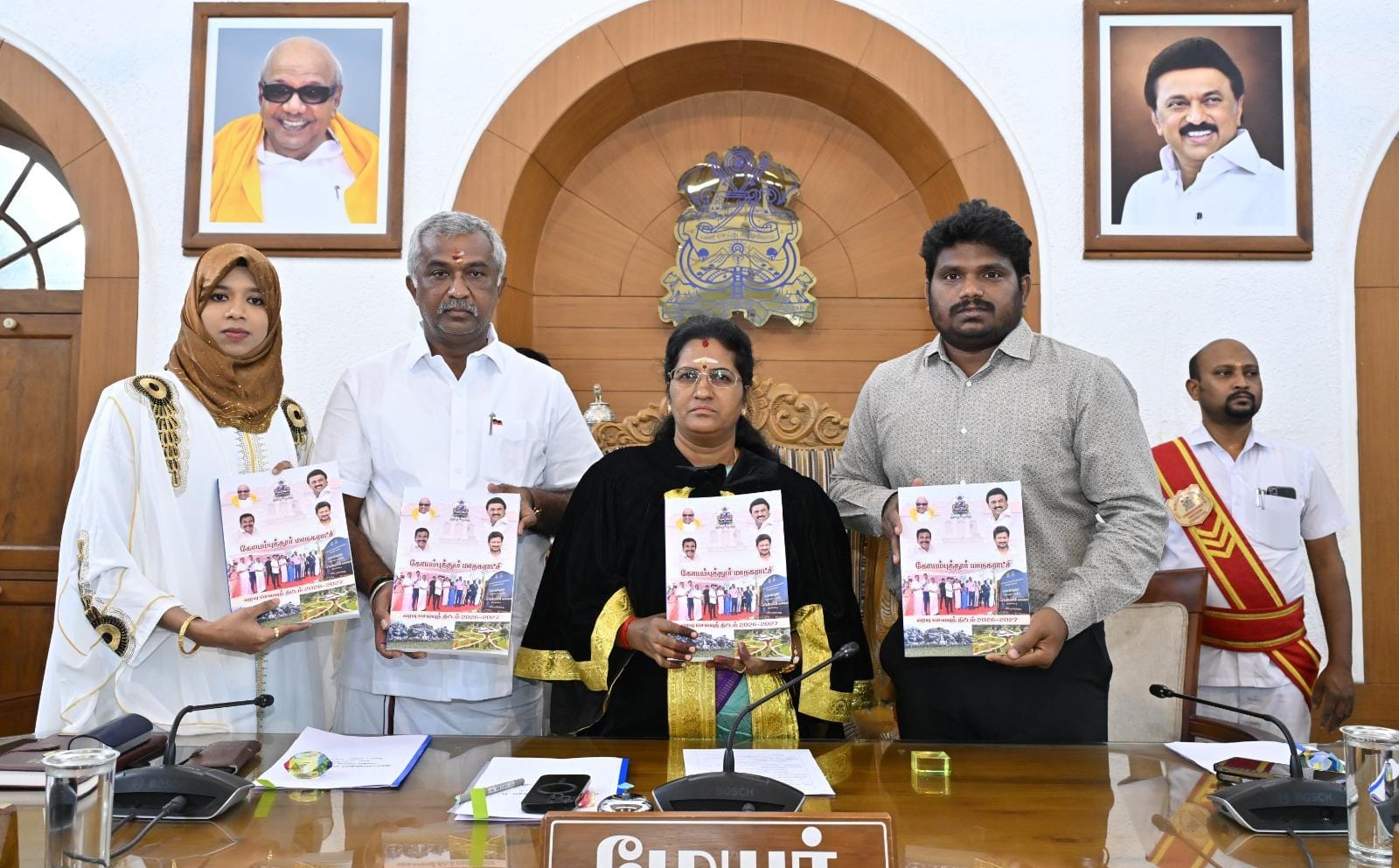
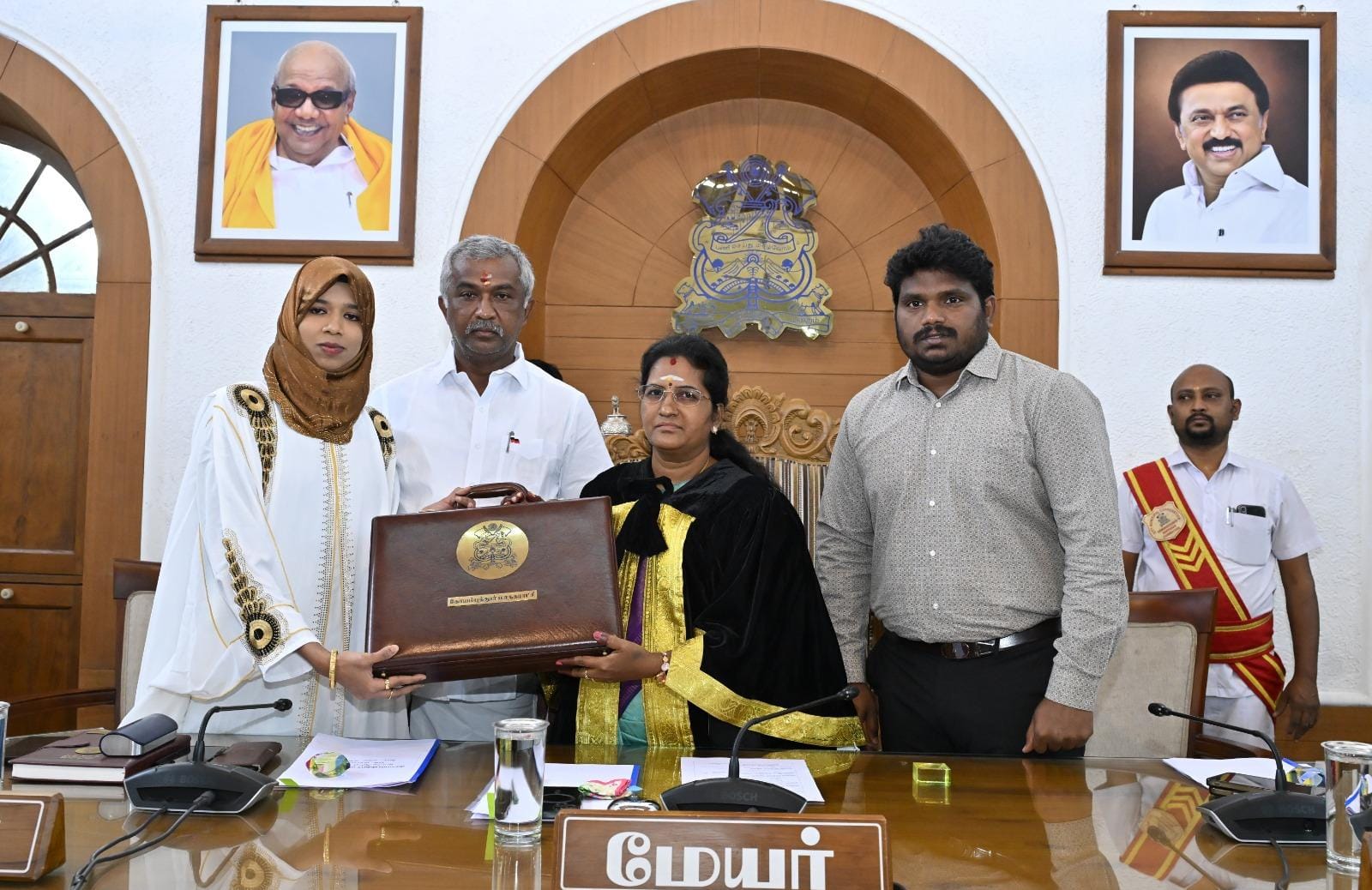
Coimbatore formally introduced its Climate Budget (2026–27) on 17 February 2026, becoming the second city in Tamil Nadu, after Chennai, to take this significant step. Through this budget, Coimbatore City Municipal Corporation has incorporated a dedicated chapter on climate-related allocations within its annual municipal budget, marking a critical milestone in institutionalising climate-responsive governance at the city level.
Under the guidance of the Directorate of Municipal Administration (DMA), and through the Swiss Agency for Development and Cooperation-funded CapaCITIES project, Coimbatore has also operationalised a City Climate Action Cell, embedding climate governance within the Corporation’s institutional framework.
The total climate-tagged allocation for FY 2026–27 stands at approximately ₹650 crore, accounting for approximately 13% of the Corporation’s overall budget.It strategically allocates resources to ensure direct and measurable climate outcomes across the following priority areas:
Integrated Water Management: A strong emphasis is placed on restoring the Noyyal River and rejuvenating the Sanganur Channel, alongside comprehensive water body restoration and the expansion of rainwater harvesting systems. These measures strengthen urban flood resilience, groundwater recharge, and long-term water security.
Urban Greening & Biodiversity Enhancements: The budget advances green cover improvement initiatives, including the enhancement of 100 public parks and the promotion of rooftop gardening. These interventions contribute to carbon sequestration, biodiversity conservation, improved air quality, and enhanced liveability.
Climate Mitigation and Heat Resilience: Targeted investments in cool roofing initiatives aim to reduce the Urban Heat Island effect, lowering ambient temperatures, reducing energy demand for cooling, and protecting vulnerable populations from heat stress.
Through these focused allocations, the Climate Budget moves beyond policy intent to tangible on-ground implementation, embedding climate resilience directly into urban infrastructure, ecological systems, and community well-being.They demonstrates Coimbatore’s leadership in localising climate action and embedding climate resilience directly into municipal finance. It sets a strong precedent for cities across Tamil Nadu and beyond.
ICLEI South Asia is committed to continue supporting cities in strengthening climate governance, advancing resilience, and mainstreaming climate action into urban planning and budgeting processes.