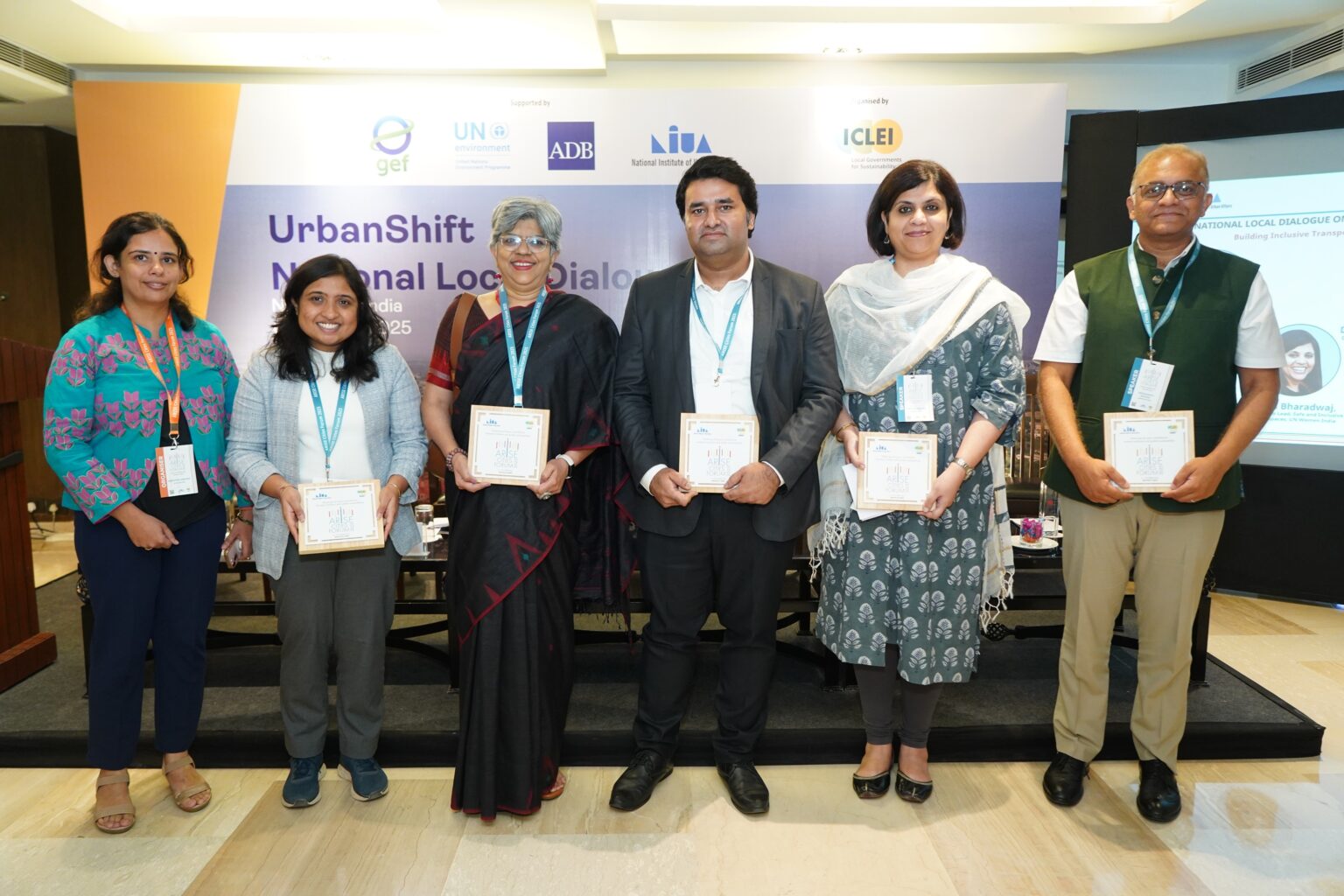
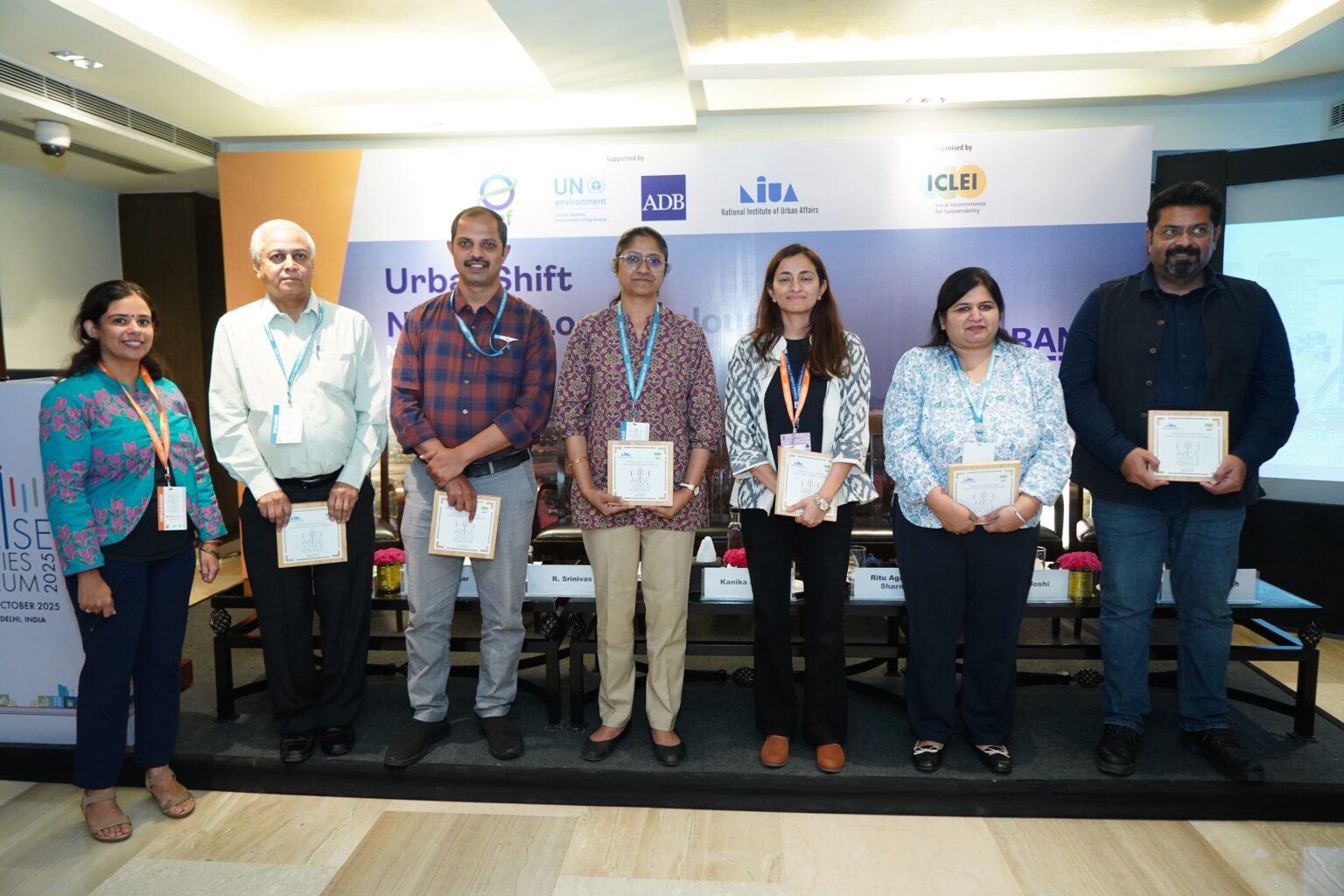
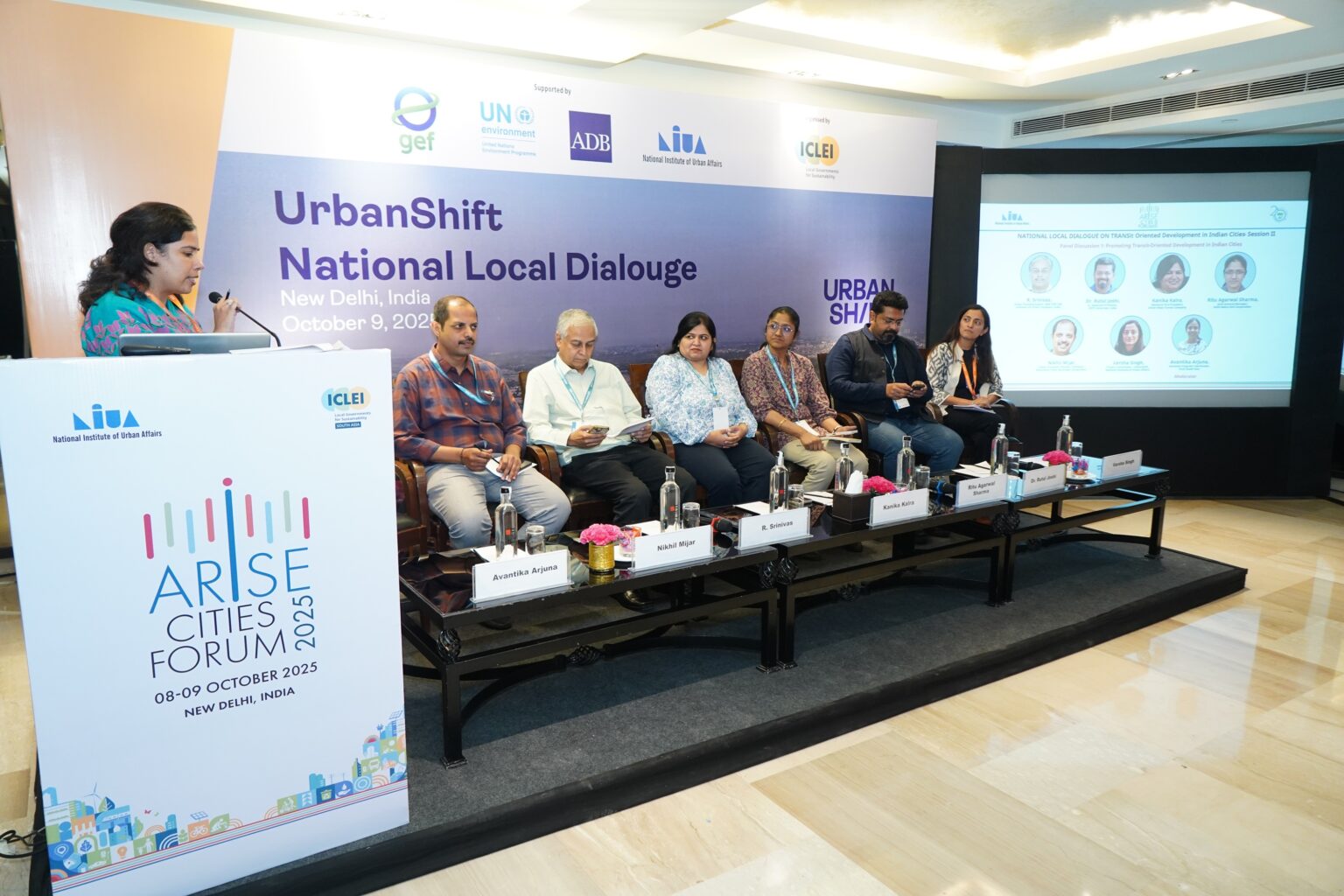
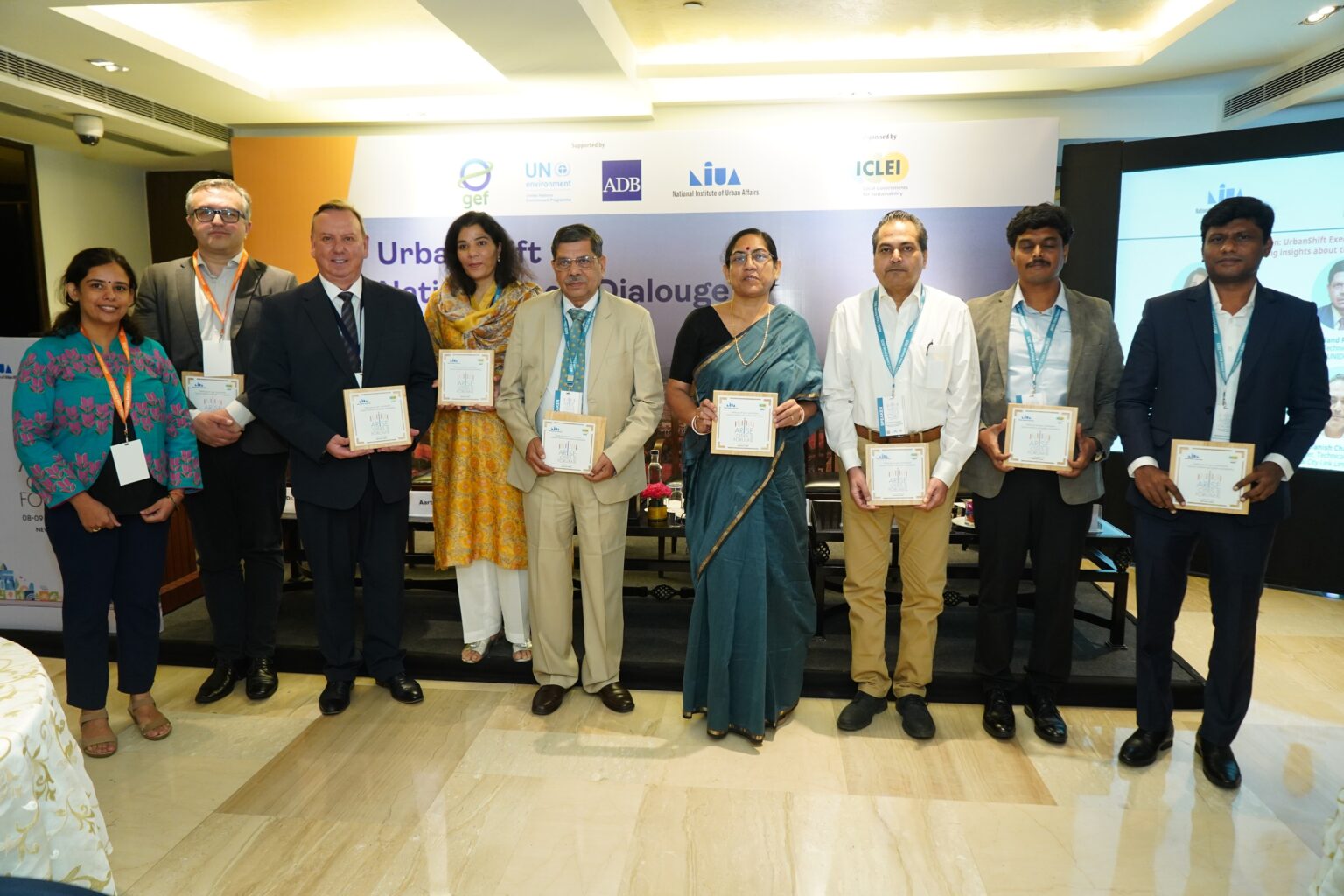
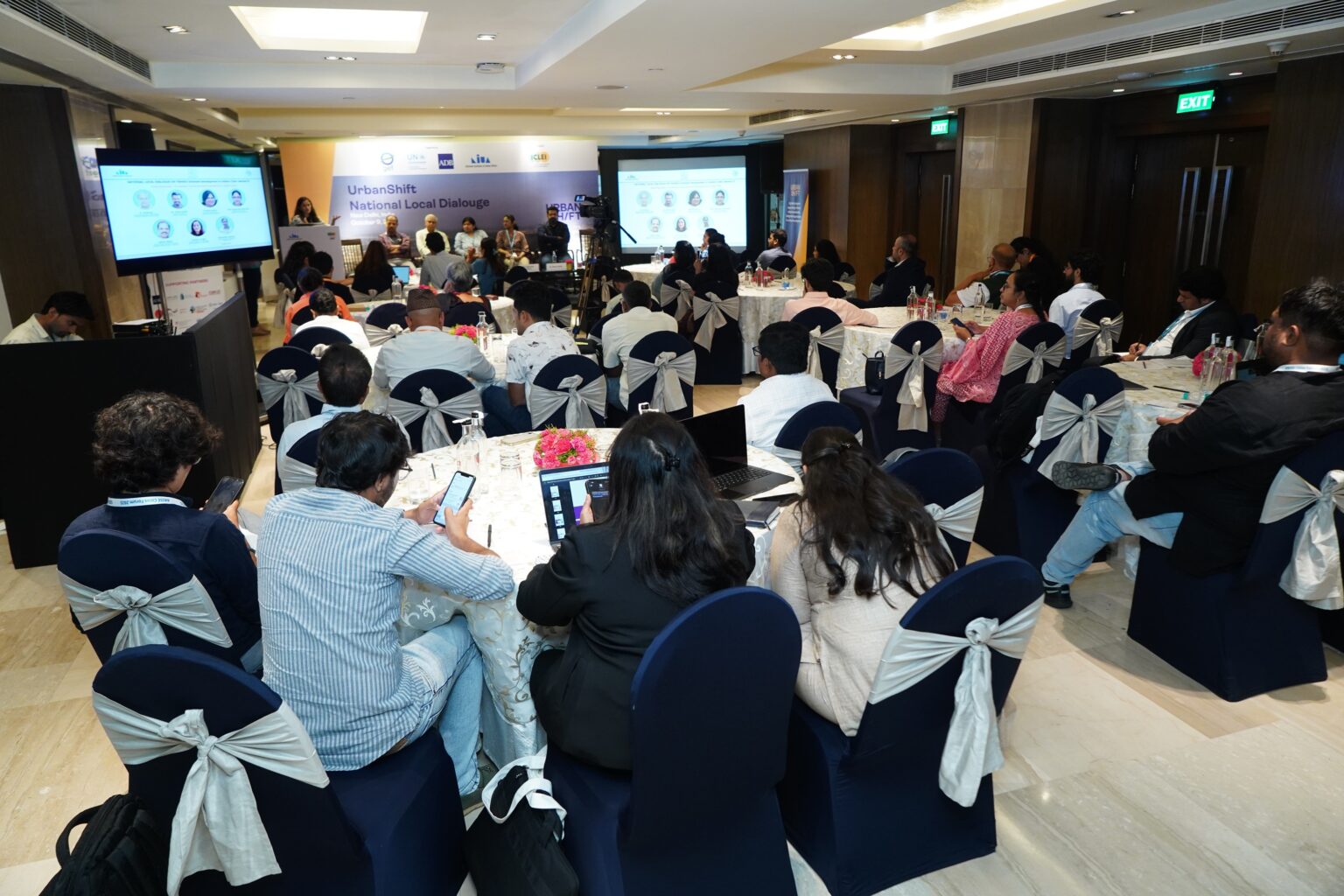
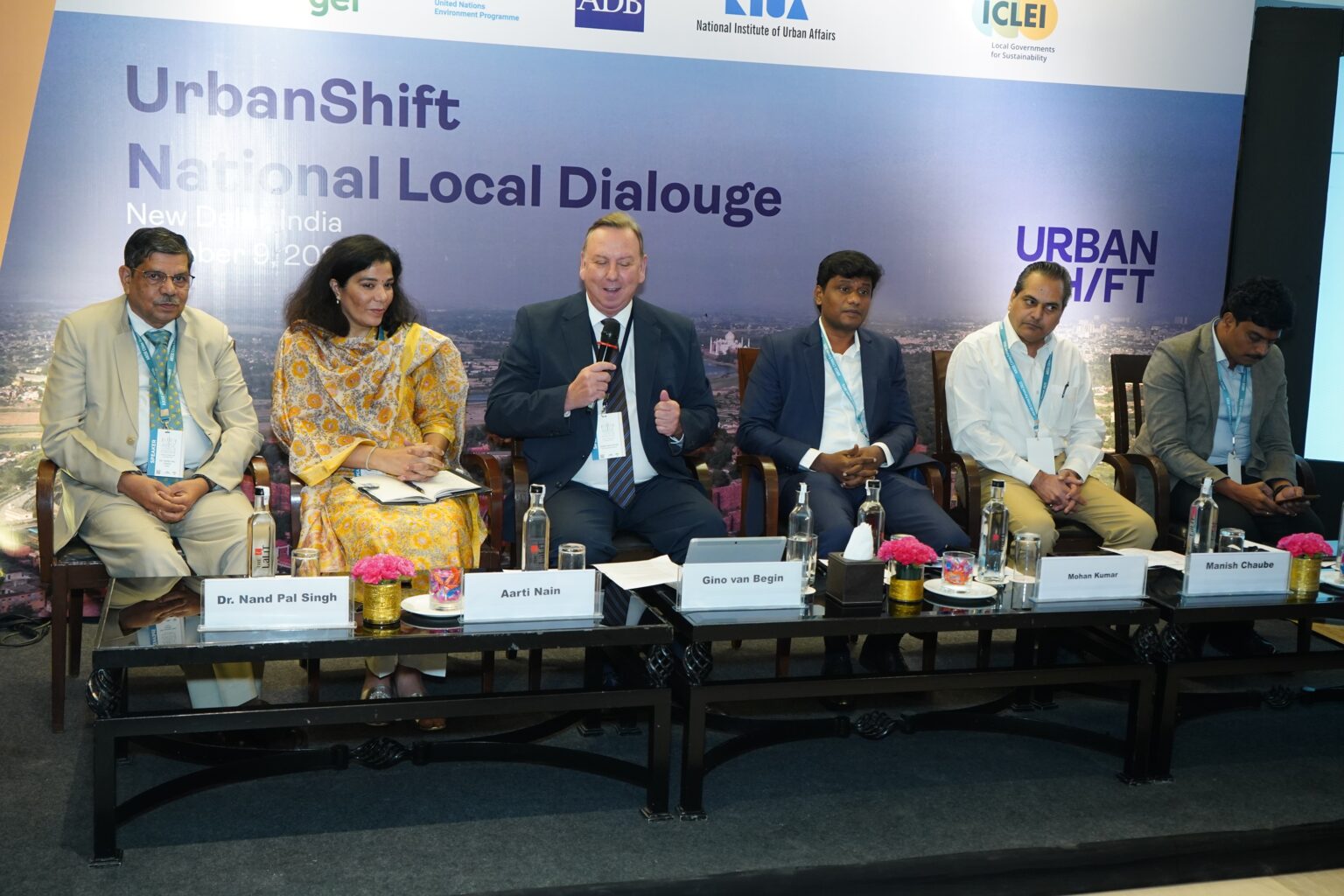
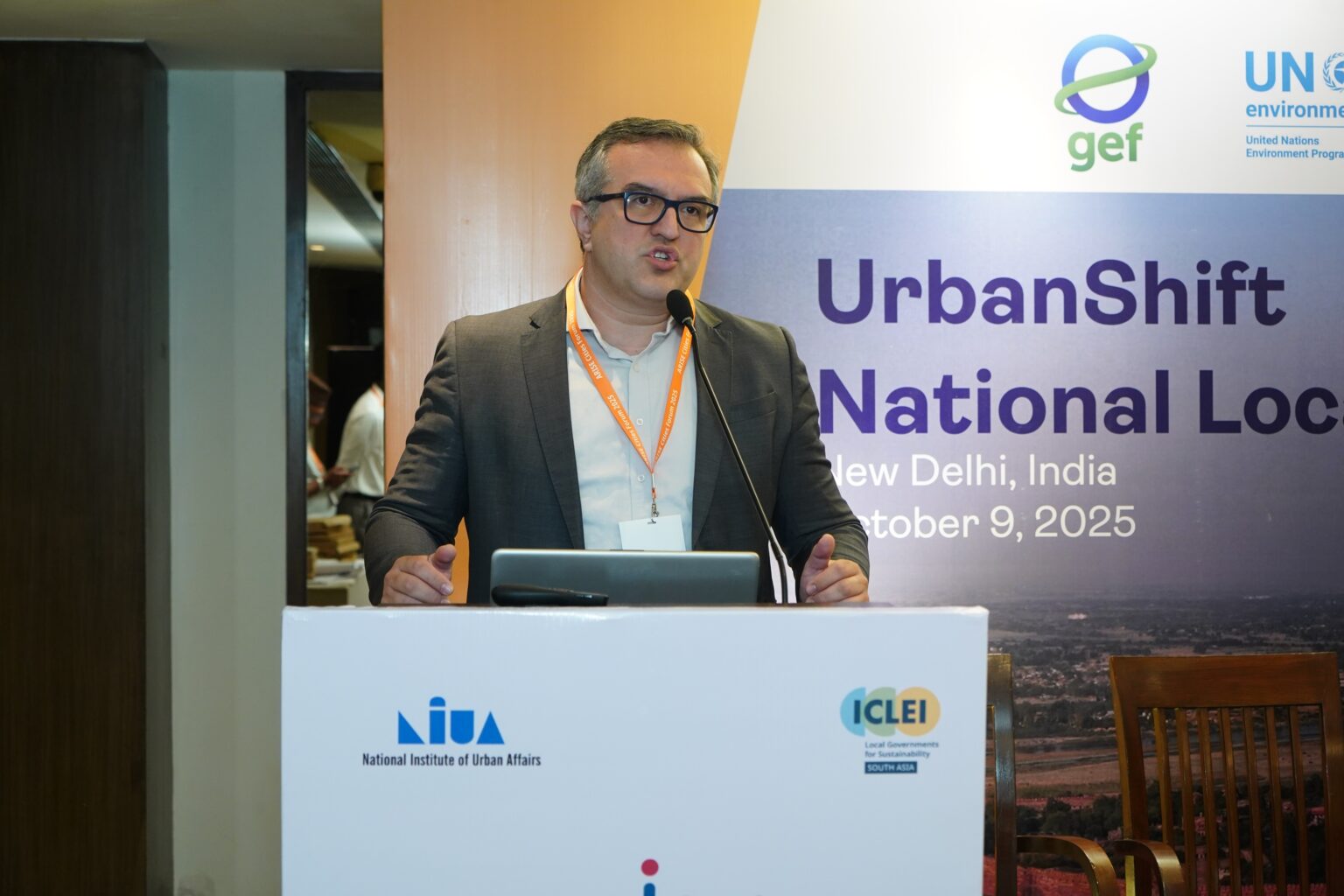
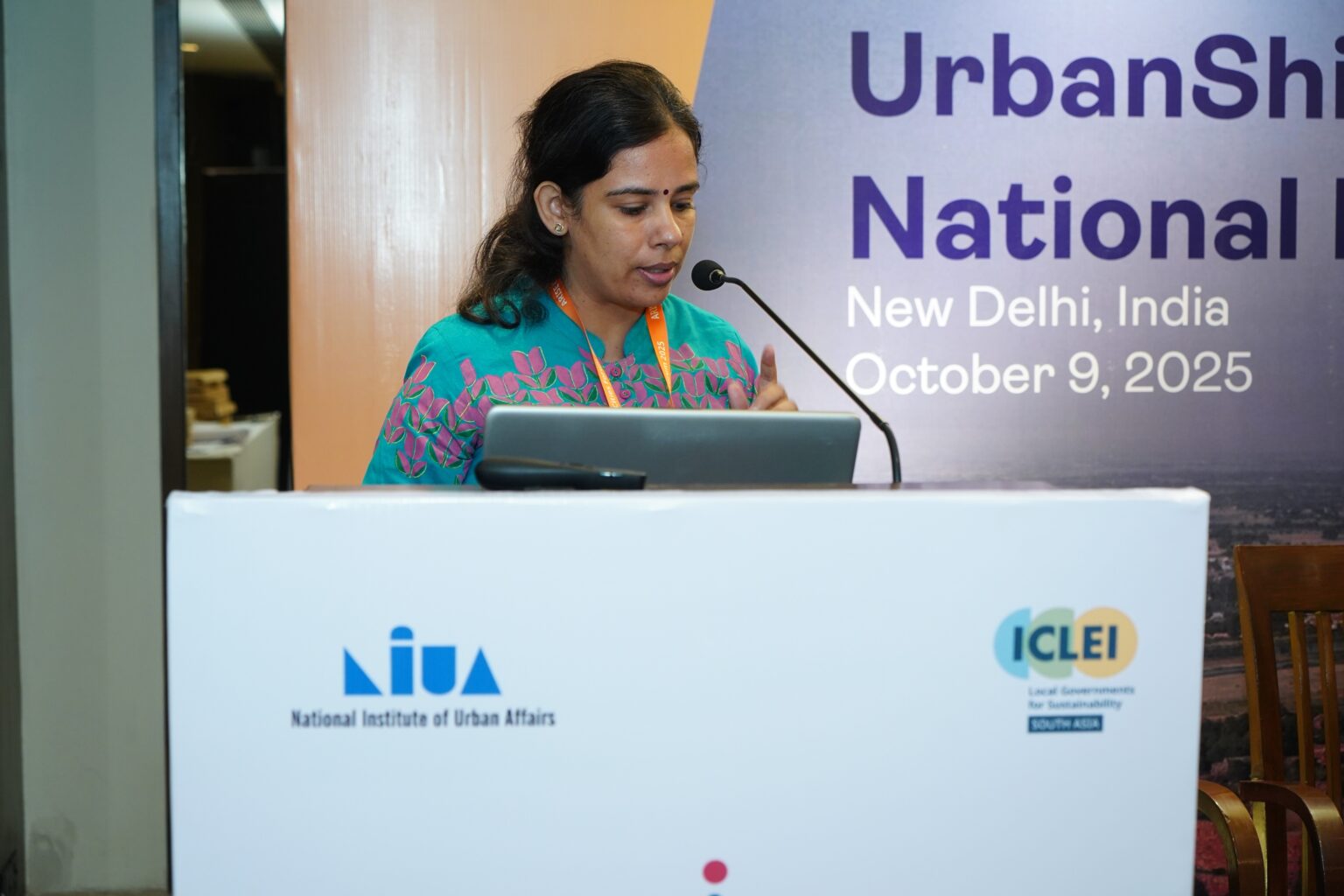
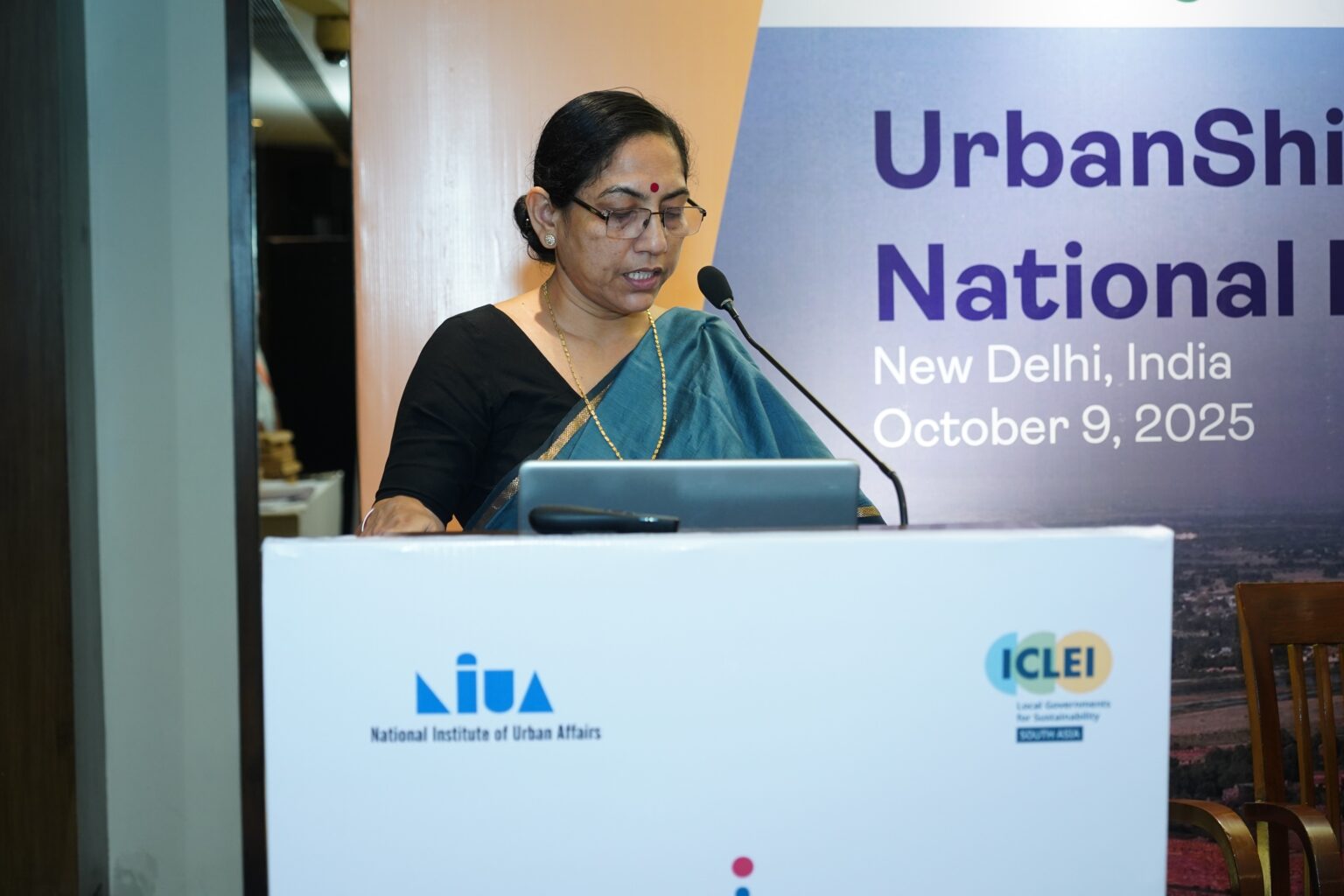
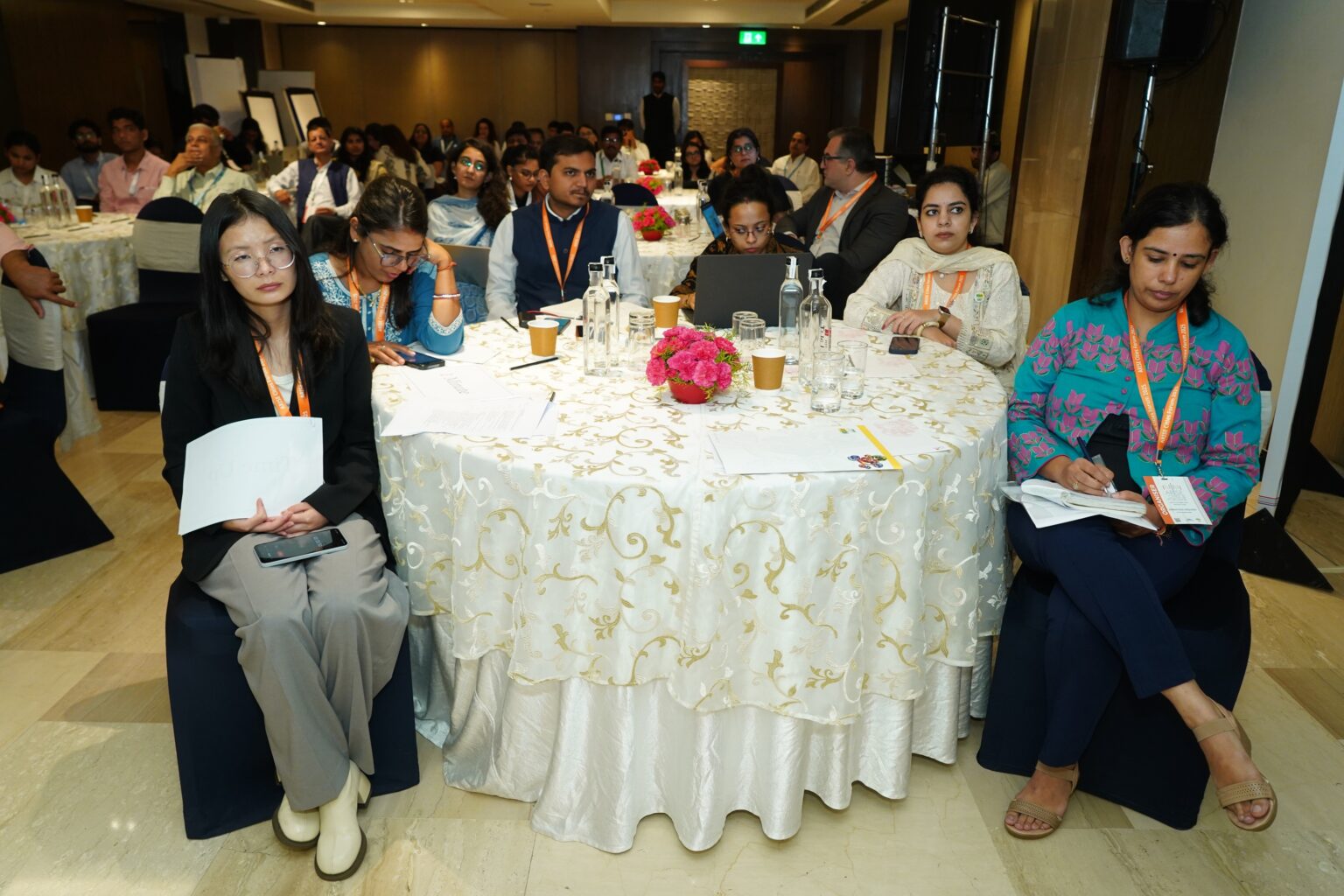
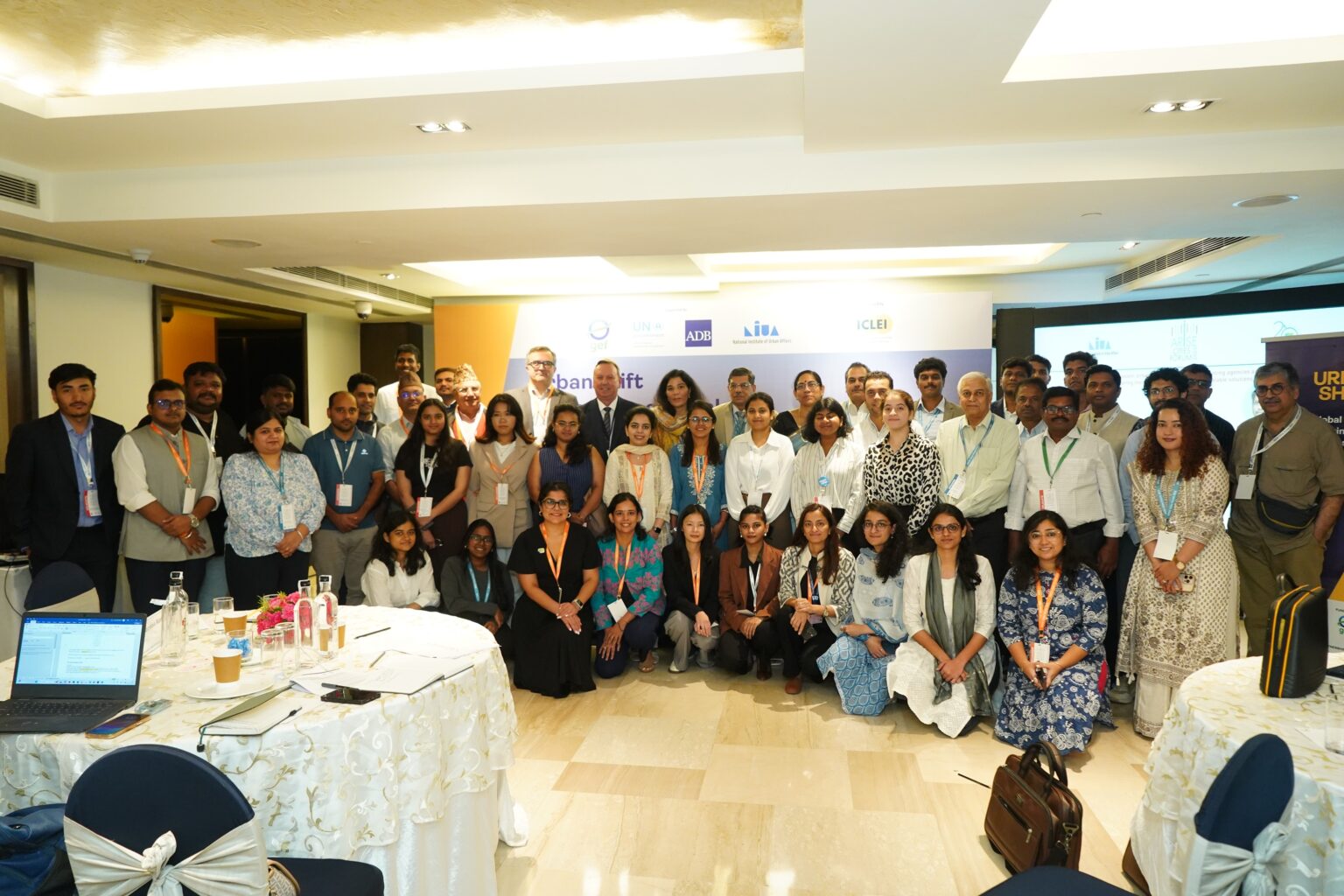
ICLEI South Asia organised the second National Local Dialogue (NLD) under the UrbanShift program on 9 October 2025, in New Delhi, India, as a part of the ARISE Cities Forum.
The dialogue brought together national and local government representatives, development agencies, technical experts, and UrbanShift-supported cities, including representatives from cities supported by GEF, sector experts from academia, agencies such as Global Environment Facility, National Institute of Urban Affairs, India (NIUA), United Nations Industrial Development Organization, United Nations Environment Programme, Institute of Urban Transport, Delhi Metro Rail Corporation, Urban Mass Transit Company Ltd, UN Women, GIZ, Safetipin etc, to advance coordinated action on sustainable urban development, and exchange critical insights about adopting innovative solutions in cities along with the benefits of promoting transit-oriented development.
The UrbanShift National Local Dialogues are designed to stimulate communication and enhance coordination across different tiers of government and relevant departments. The UrbanShift Global Platform team conducts these dialogues with the goal of improving multi-level governance and addressing specific urban challenges through collaborative, solution-driven discussions, and exploring opportunities for capacity building at the local level.
As the UrbanShift Programme progresses in India, several capacity-building and training activities are being organised under the UrbanShift Global Platform to support the cities. ICLEI, with support from NIUA, India, organised the second NLD to deepen engagement and chart actionable pathways on two priority topics:
- Transitioning towards innovative cities
- Promoting transit-oriented development in Indian Cities
The first session focused on understanding the readiness of cities in adopting innovation while building urban infrastructure. It highlighted successful pilots implemented under the Global Environment Facility’s GEF-6 and GEF-7 periods from the Indian context, and drew learnings with a focus on innovation to understand scalable solutions. The session addressed India’s transition to data-driven, technology-enabled, and climate-responsive cities.
Dr. Debolina Kundu, Director, NIUA, described how UrbanShift’s global capacity-building programmes enabled Indian cities, including Pune, Chennai, Surat, Puducherry, and Agra, to design tangible projects such as climate finance proposals, digital observatories, and integrated data dashboards.
ICLEI South Asia shared the overall journey of the UrbanShift Global platform and the benefits accrued by the GEF 7 cities.
Representatives from UNEP and UNIDO emphasised evidence-based planning and the role of innovation financing mechanisms like green bonds. City representatives from GEF cities shared their views about the innovative solutions through their ongoing pilot projects and highlighted:
- Puducherry’s Mahe Municipality presented a participatory waste management model linking households, schools, and civic organisations, creating a circular, low-cost framework.
- Bhopal highlighted its electric bus transition and data-driven transport governance, integrating solar-powered charging stations.
- Guntur showcased its women-led electric waste collection initiative, blending gender empowerment with climate innovation.
The second session of the NLD focused on promoting transit-oriented development. With India’s urban population expected to reach 814 million people by 2050, transit-oriented development has become a critical strategy for achieving inclusive, efficient, low-carbon, and sustainable mobility, especially in fast-growing tier I and tier II cities.
Experts emphasised that the TOD must go beyond transport corridors to include city-wide planning, land value capture, and institutional coordination. Land-use challenges and the need for affordability in TOD areas and dedicated implementation cells to institutionalise coordination were highlighted.
Key takeaways from the sessions include:
- Innovation driven sustainable transformation
There is a clear shift from infrastructure-focused planning to innovation-driven urban governance. The dialogues demonstrated that innovation in India goes beyond technology and expands to institutional innovation, including partnerships, data integration, and gender-responsive financing mechanisms. - Transit-Oriented Development and Low-Carbon Mobility
TOD is a priority, reflecting the intersection of urban form, mobility, and climate goals. The dialogues linked TOD to India’s broader decarbonisation agenda, highlighting its potential in reducing emissions, congestion, and inequity. The Ministry of Finance’s 2024 Union Budget reinforced this by prioritising TOD plans in 14 major Indian cities, including UrbanShift cities. - Multilevel Governance as the Enabling Framework
The Indian NLD process exemplifies how effective multilevel governance bridges policy intent and on-ground delivery. Through coordination among MoHUA, NIUA, and ICLEI, and with technical backing from UNEP, ADB, and other partners, the dialogues delivered cross-sector collaboration. - Gender, Inclusion, and Capacity Building
Equitable governance is essential to sustainability, yet gender balance among decision-makers remains constrained by structural inequities in representation.
By convening cities, national institutions, and international partners, the second National Local Dialogue reaffirmed the importance of coordinated, innovation-led urban development.
The deliberations at the Dialogue have been documented with an aim to integrate them with the UrbanShift country project to help cities contextualise the learnings and replicate them for a sustainable urban future.