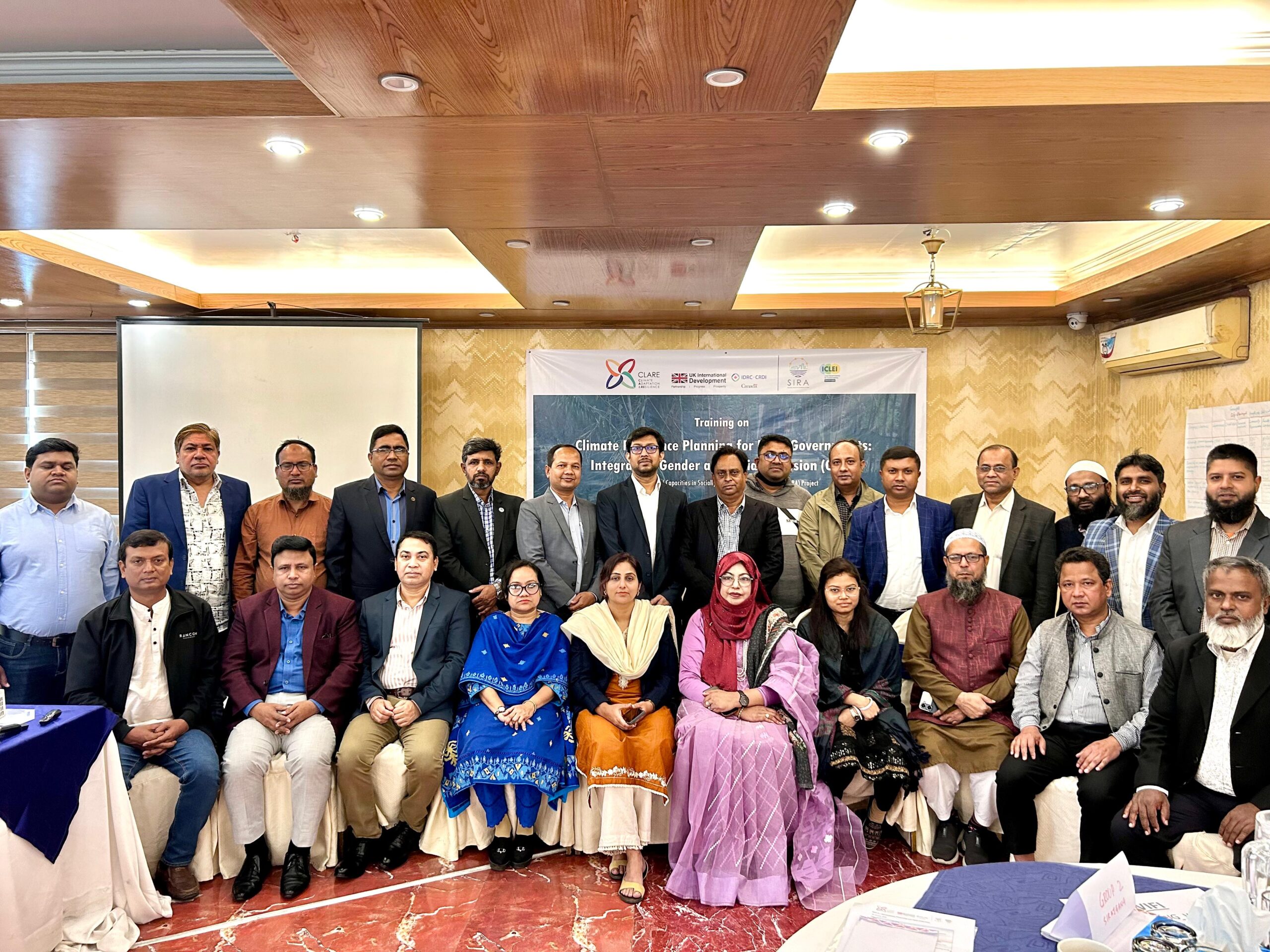
ICLEI South Asia conducted an in-person Training on “Climate Resilience Planning for Local Governments: Integrating Gender and Social Inclusion (GESI)” in two batches from 20-22 January and 27-29 January 2026 in Dhaka Bangladesh. The trainings were a part of the ongoing capacity-building series under Enhancing Local Capacities in Socially Inclusive Resilience in Asia (SIRA) projectThe initiative is funded by the UK Aid through the Foreign Commonwealth and Development Office (FCDO) and the International Development Research Centre (IDRC), Canada through the Climate Adaptation and Resilience (CLARE) programme.
The training series aims to strengthen the capacity of local governments and practitioners to engage diverse stakeholders, including marginalised and vulnerable communities, in advancing inclusive and climate-resilient urban development across Bangladesh, Nepal, Indonesia, and the Philippines.
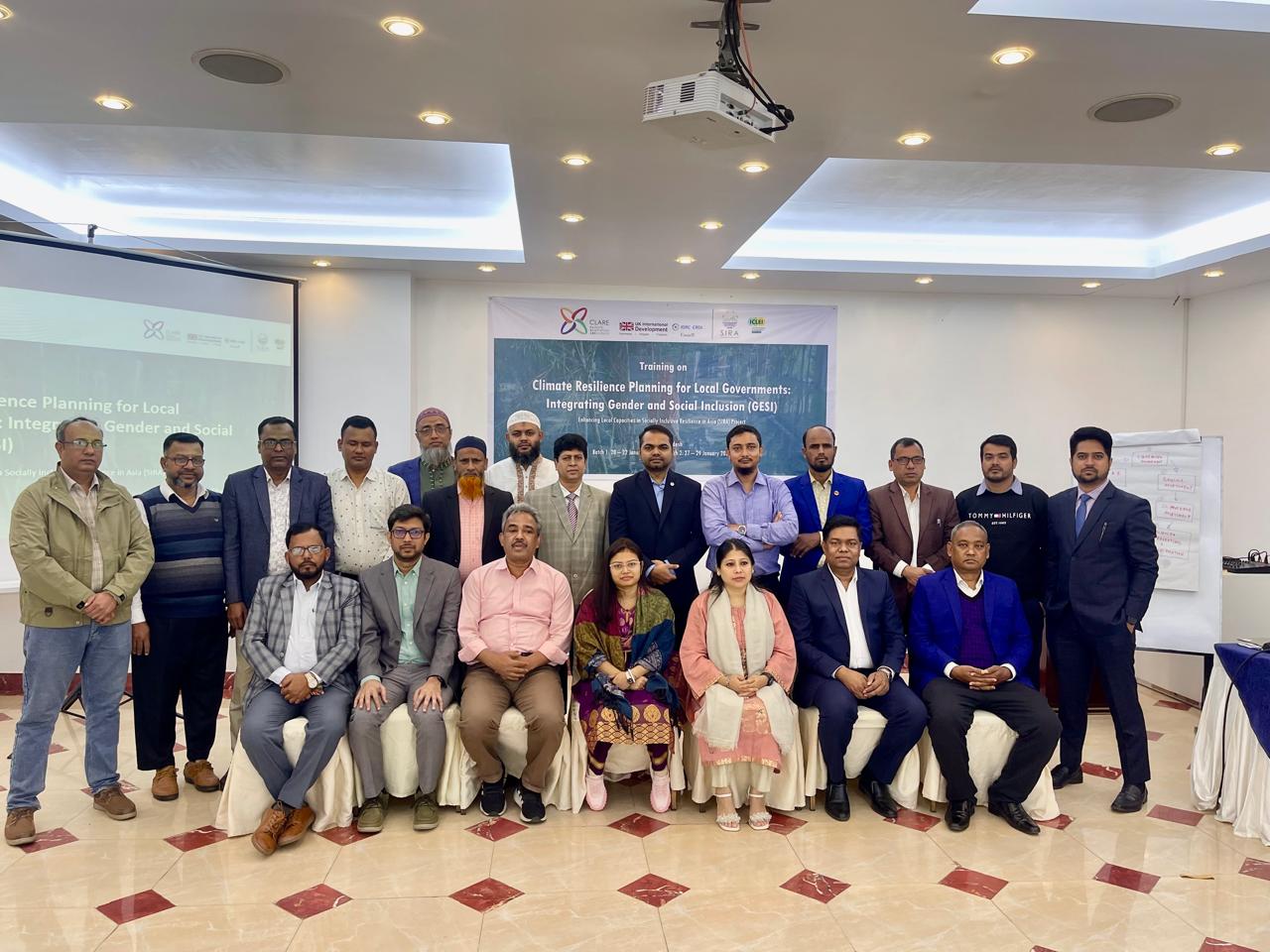
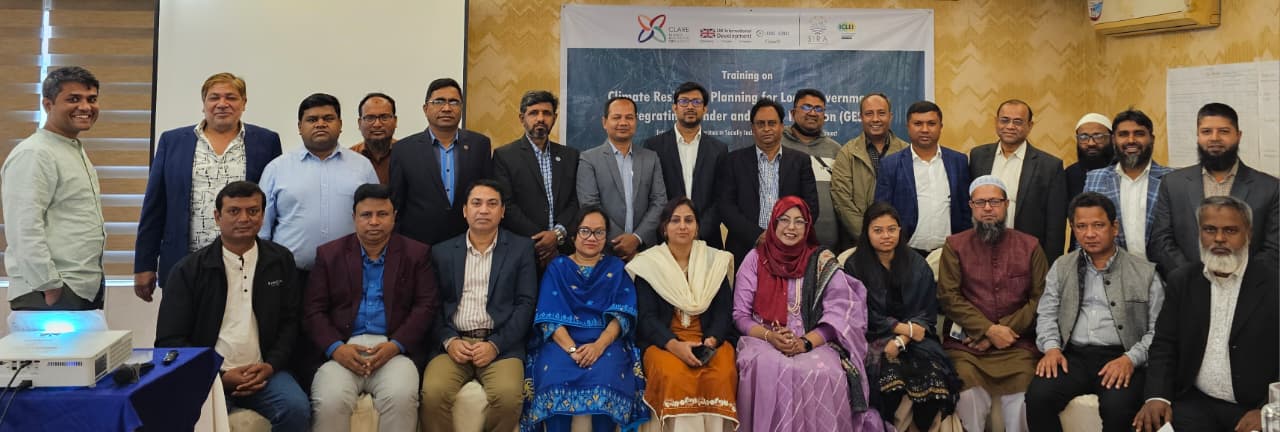
A total of 41participants (Male: 37, Female: 4) from 16 attended the sessions. These included representatives from Dhaka North, Rajshahi, Rangpur, Naohata, Singra, Lalmonirhat , Bogra, Sirajganj, Kushtia, Mongla, Chalna, Chandur, Narsingdi, and Patuakhal.
The first day introduced key aspects of climate change, GESI principles including key entry points of GESI integration in the planning process, climate resilience planning process, along with stakeholder engagement. Participants learnt how climate change impacts everyone unequally. Women, children, elderly residents, persons with disabilities, and low-income communities often face disproportionate risks due to limited resources, restricted mobility, and unequal access to information and decision-making processes. This intersectional understanding formed the backbone of the training approach. It was emphasised that effective climate planning must recognise and address these disparities and integrate GESI principle into every step of resilience planning.
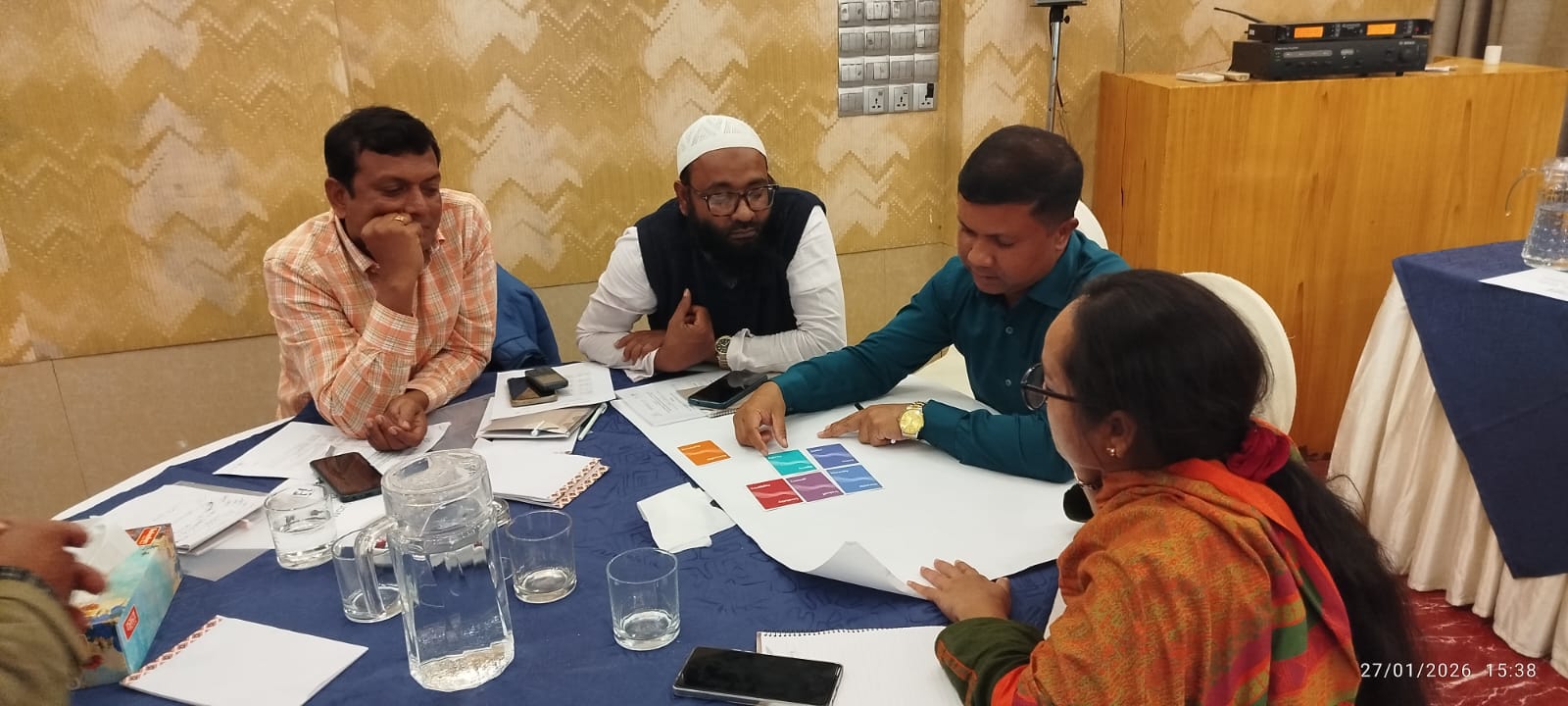
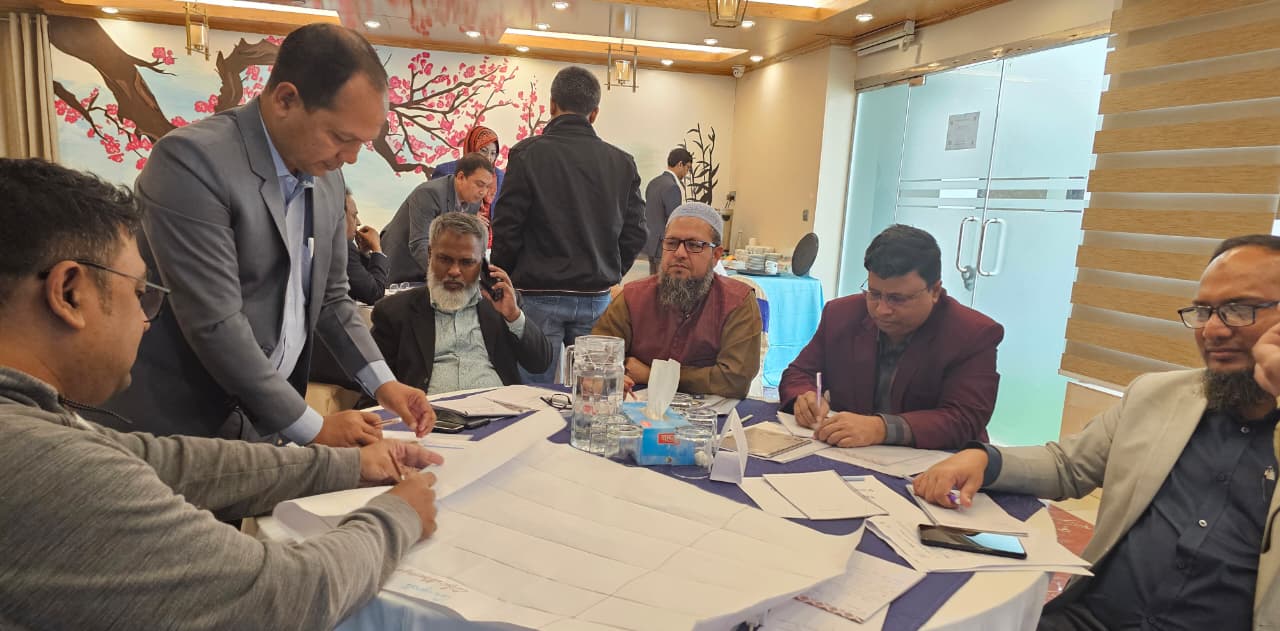
Through an interactive card game, participants were encouraged to critically examine climate resilience and disaster risk reduction processes. The second day focused on technical planning tools, including baseline assessments and climate risk assessments. Participants learnt how to identify fragile urban systems such as infrastructure and service networks, most vulnerable to climate impacts, using resilience characteristics including flexibility, redundancy, and safe-failure. Through hands-on exercises, municipal teams assessed their own cities’ vulnerabilities, mapping hotspots where flooding, heat waves, or water scarcity pose the greatest threats. The final day focused on governance, financing, and monitoring and evaluation, critical elements that aid in transforming plans into action. The sessions were designed as peer-to-peer learning exchanges, where cities showcased their best practices and practical experiences in developing climate resilience plans, accessing climate finance, and implementing climate projects. They emphasised how successful implementation requires clear institutional arrangements, with climate core teams coordinating across municipal departments and engaging stakeholders from government, civil society, academia, and the private sector.
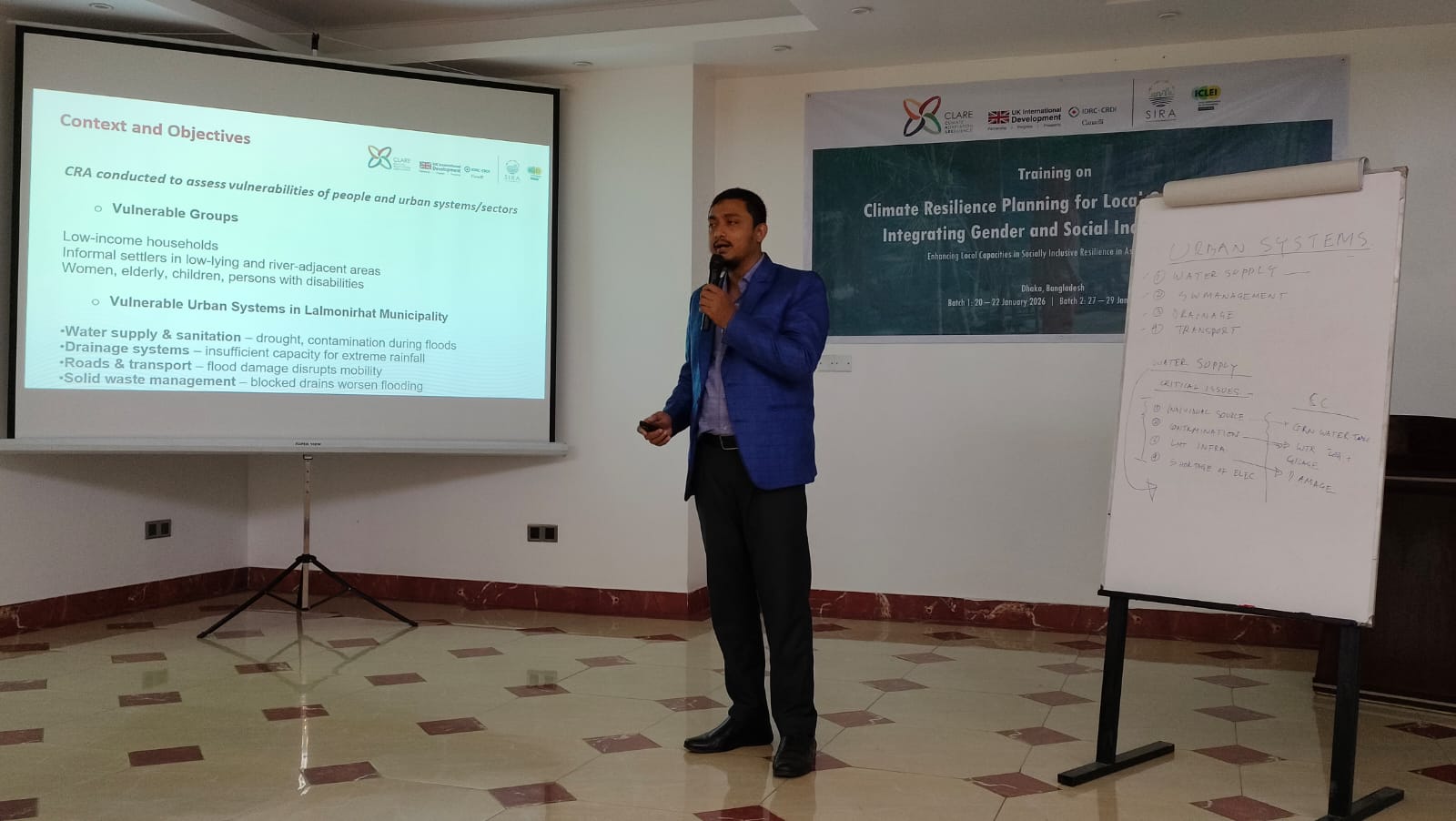
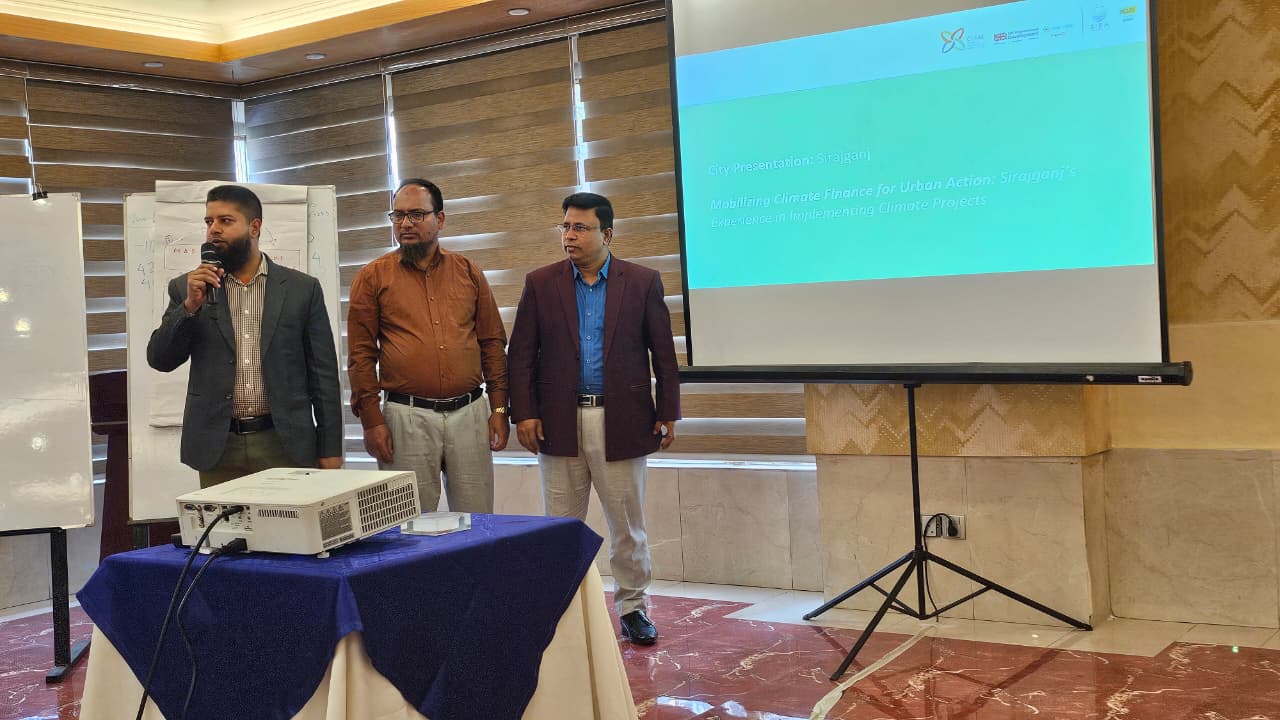
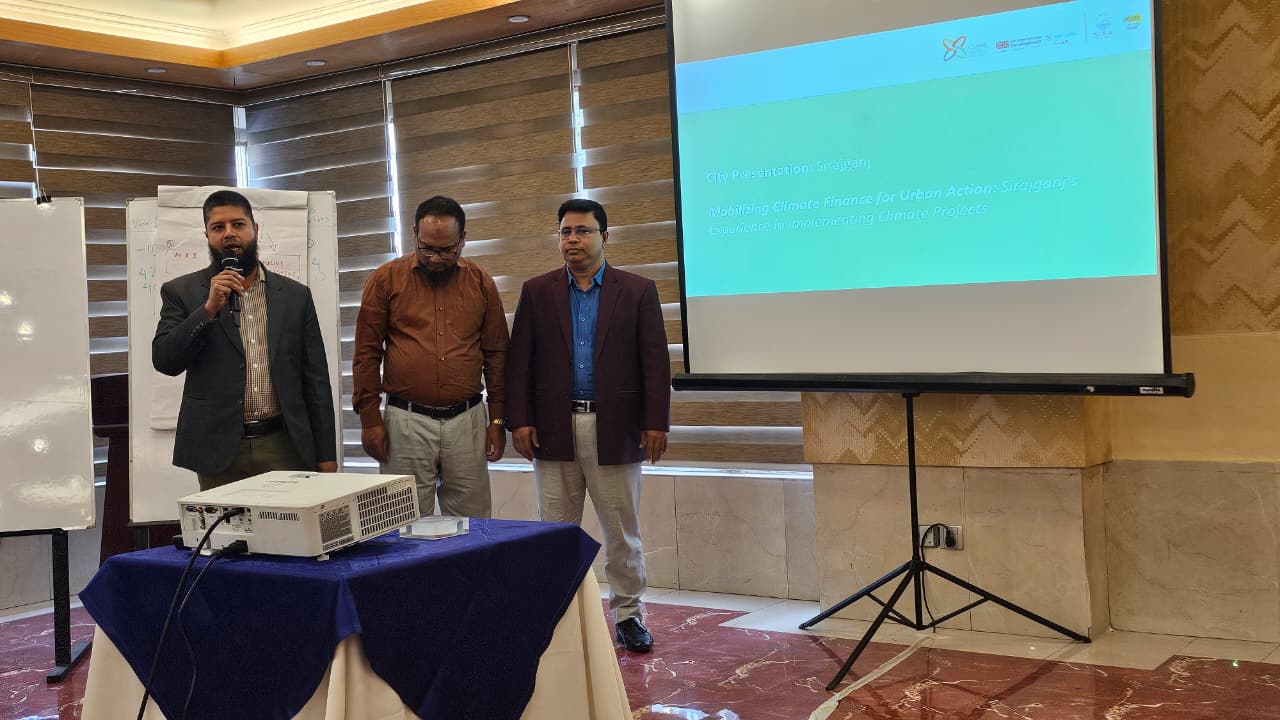
One of the most engaging segments were the city presentations by Dhaka North, Rajshahi, Kushtia, Sirajganj, and Lalmonirhat Municipality. Through these presentations, participants learned about diverse approaches adopted by different cities, as well as key lessons learned, enhancing cross-city knowledge sharing and encouraging the replication of effective, locally grounded resilience strategies.
The training strengthened participants’ technical understanding of climate resilience planning. By combining conceptual learning and practical tools, the programme reinforced the importance of socially inclusive approaches in building climate-resilient cities.