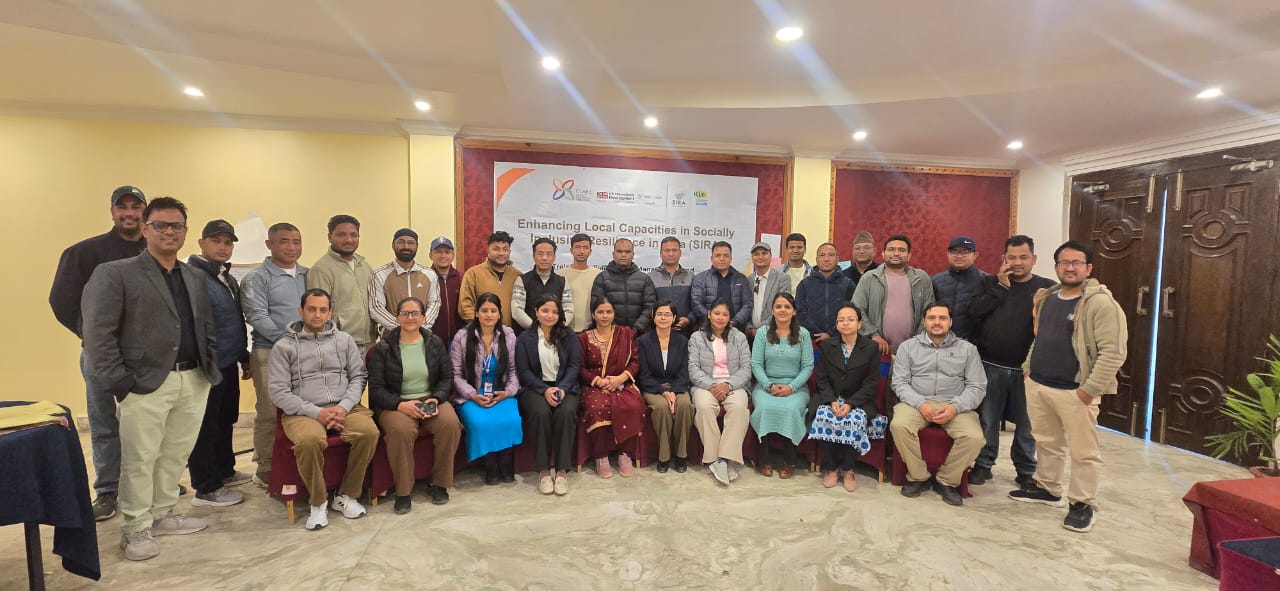
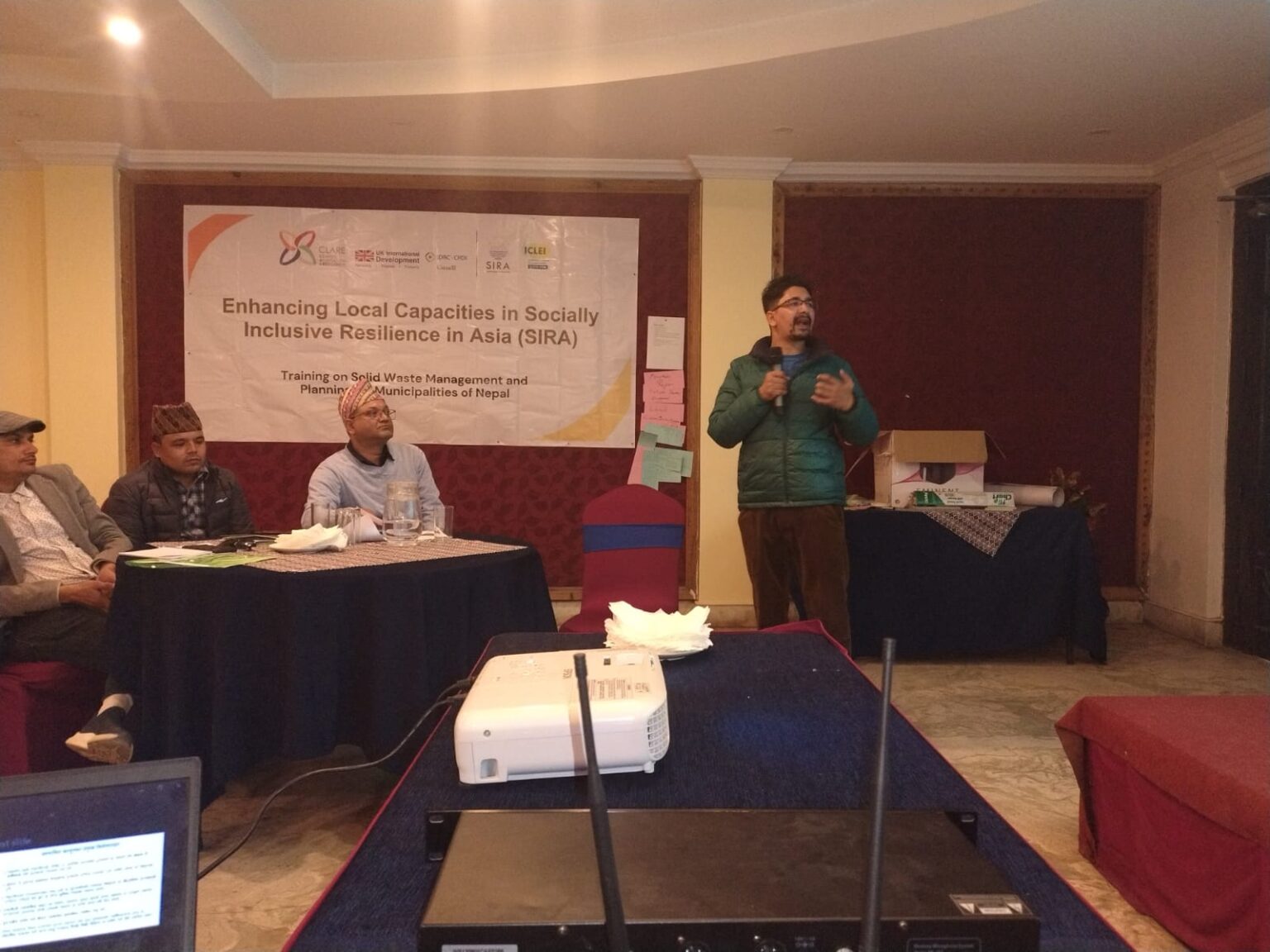
ICLEI South Asia conducted an in-person training on Solid Waste Management (SWM) planning from 26–28 November 2025 in Dhangadhi, Nepal, as part of an ongoing capacity-building series under the Enhancing Local Capacities in Socially Inclusive Resilience in Asia (SIRA) project. The initiative is funded by UK Aid through the Foreign, Commonwealth and Development Office (FCDO), and the International Development Research Centre (IDRC), Canada, through the CLimate Adaptation & REsilience (CLARE) programme.
The training series aims to strengthen the capacities of local governments and practitioners to promote inclusive, climate-resilient urban development by engaging diverse stakeholders, including marginalised and vulnerable communities, across Nepal, Bangladesh, Indonesia, and the Philippines.
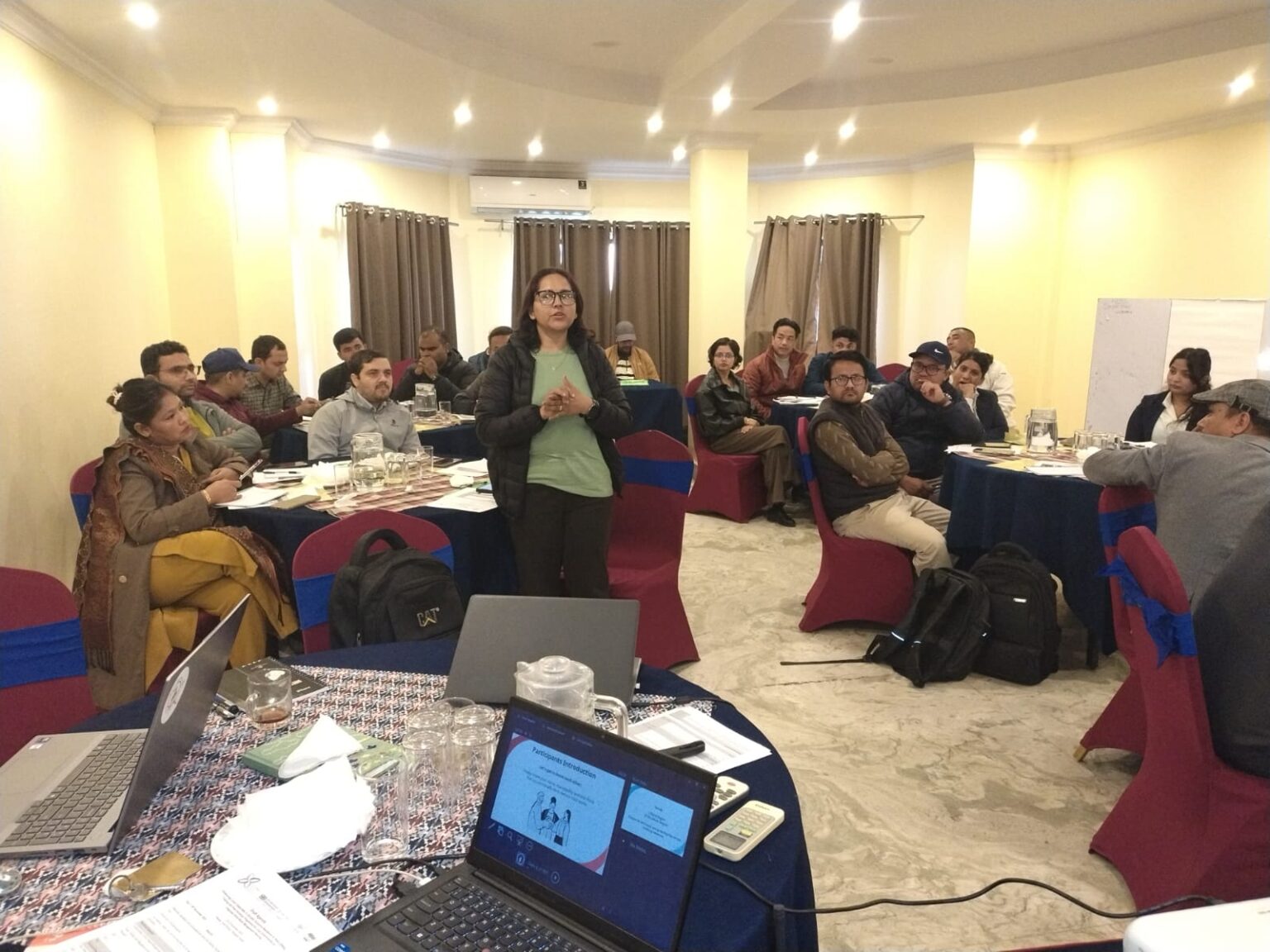
A total of 29 officials, including six women, participated in the training. Representatives attended from ten municipalities of Manthali, Suryodaya, Tilottoma, Birendranagar, Chhayanath Rara, Kohalpur, Thakurbaba, Jayaprithvi, Belauri, and Dhangadhi Sub-Metropolitan City.
The programme combined two days of technical sessions with a half-day field visit, providing both planning tools and practical exposure.
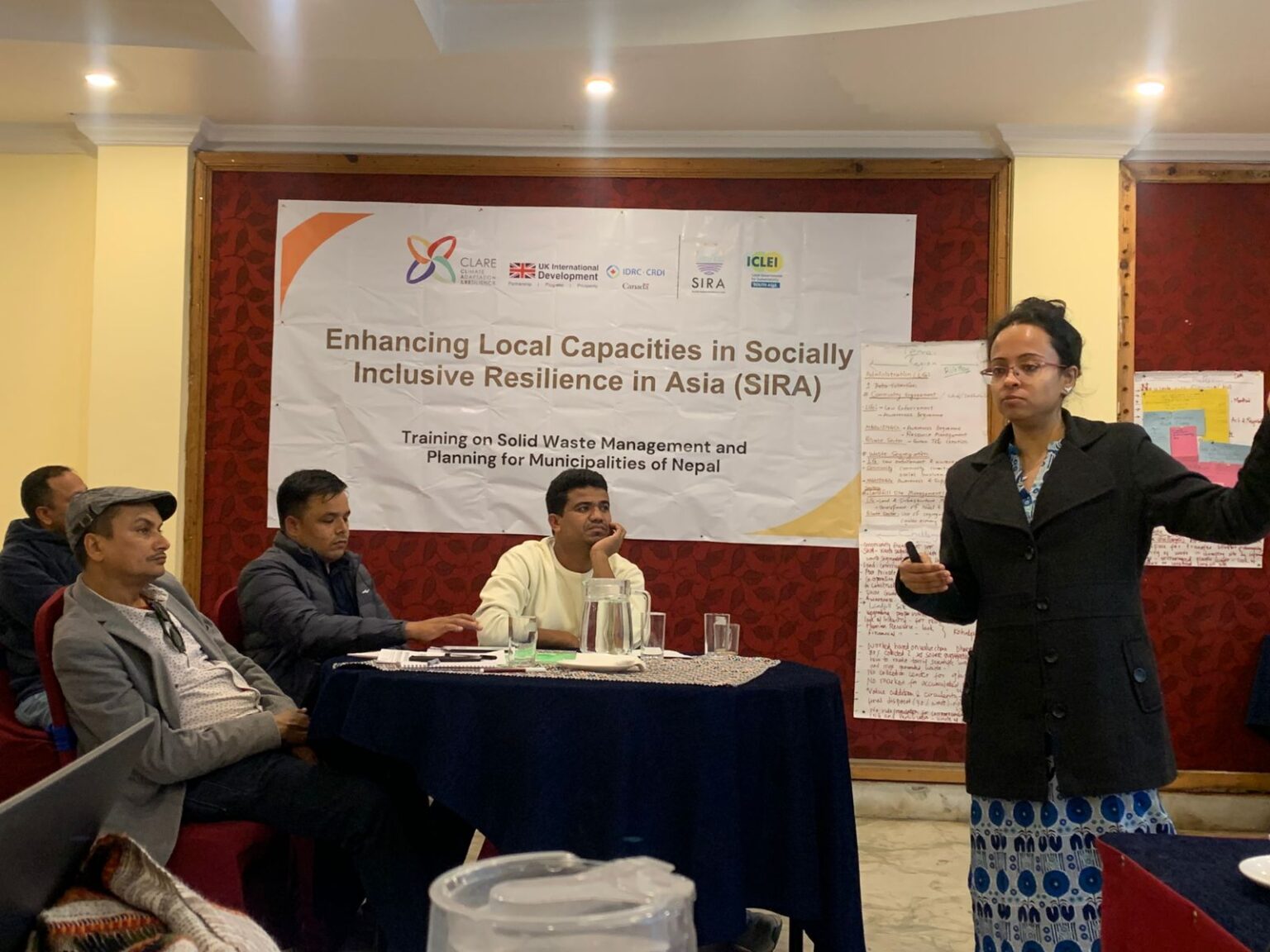
The programme opened with remarks from Megh Dhoj Adhikari, Country Representative, Nepal, ICLEI South Asia, followed by a presentation on Nepal’s SWM landscape by Anuradha Adhikari, Deputy Manager (Energy and Climate), ICLEI South Asia. She outlined prevalent challenges, including inadequate segregation at source, limited efficiency in collection systems, land constraints in the Terai region, and weak community and private sector engagement in the hills.
Participants were introduced to global and national frameworks. Rahul Singh, Senior Manager (Sustainability), ICLEI South Asia, presented key international SWM policy instruments, while Janak Padhya, Director, Forest Research and Training Centre, Dhangadhi, explained national policies and legal reforms supporting circularity and stronger local governance. An interactive quiz reinforced learning on institutional roles and responsibilities.
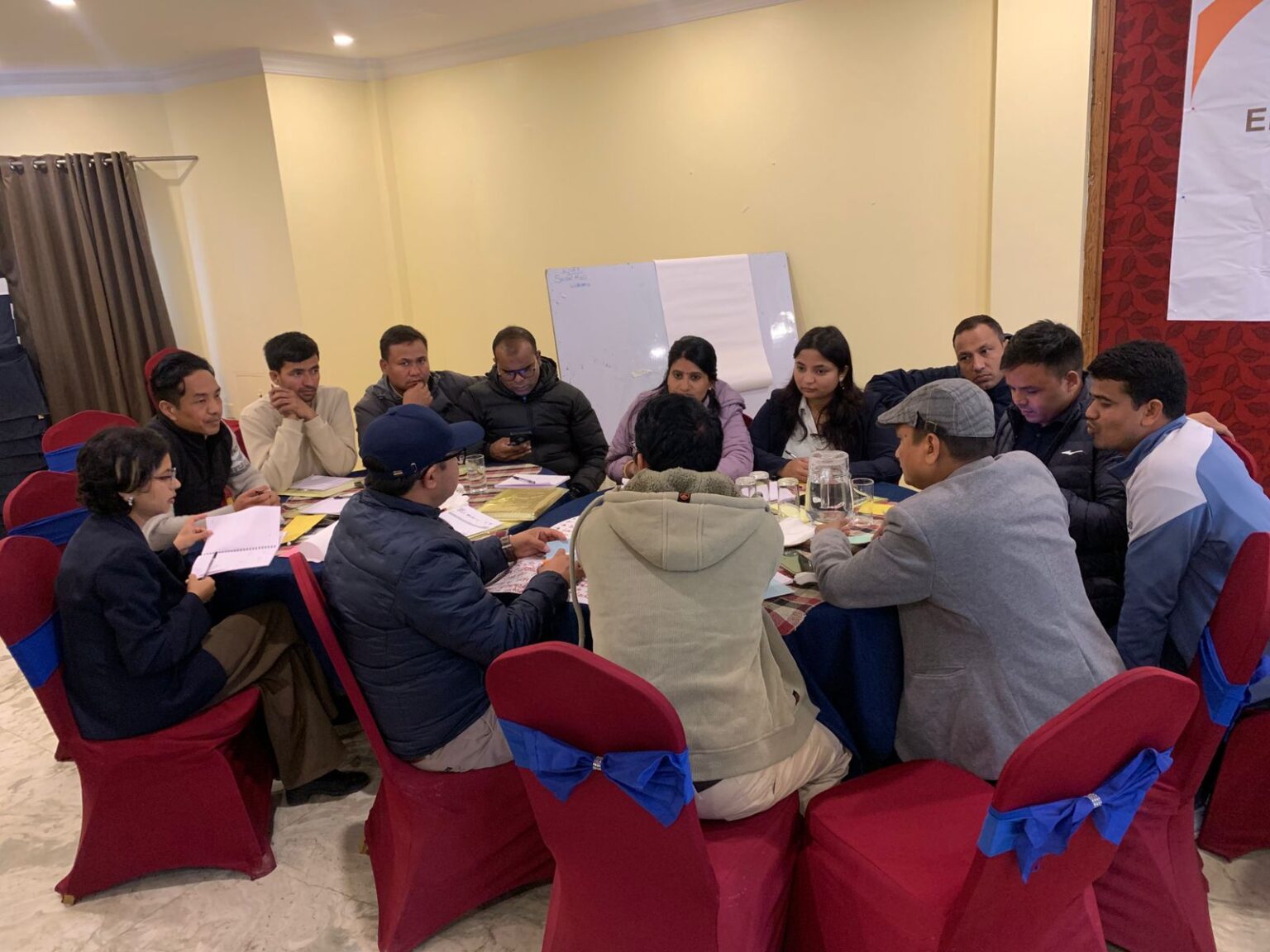
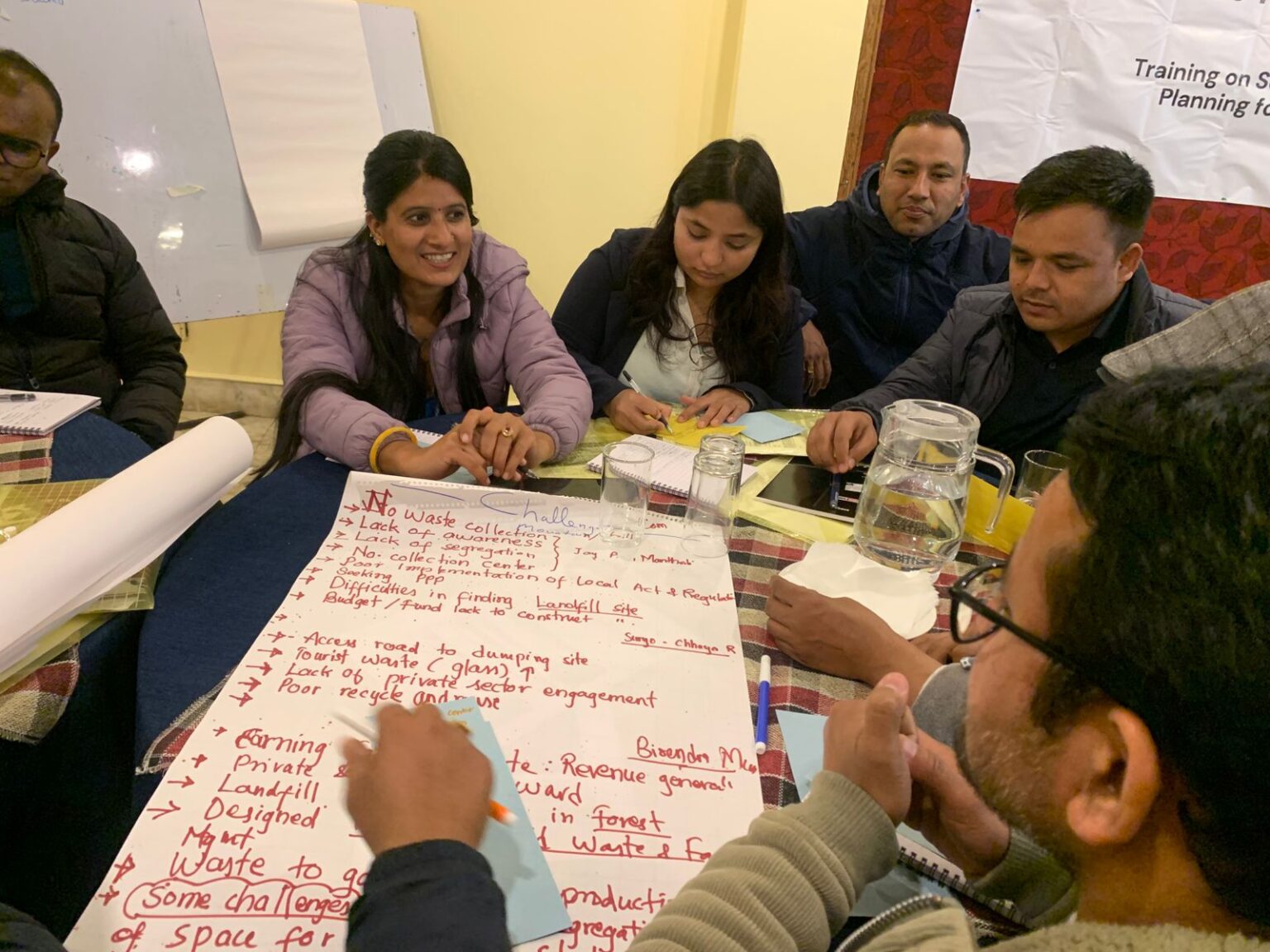
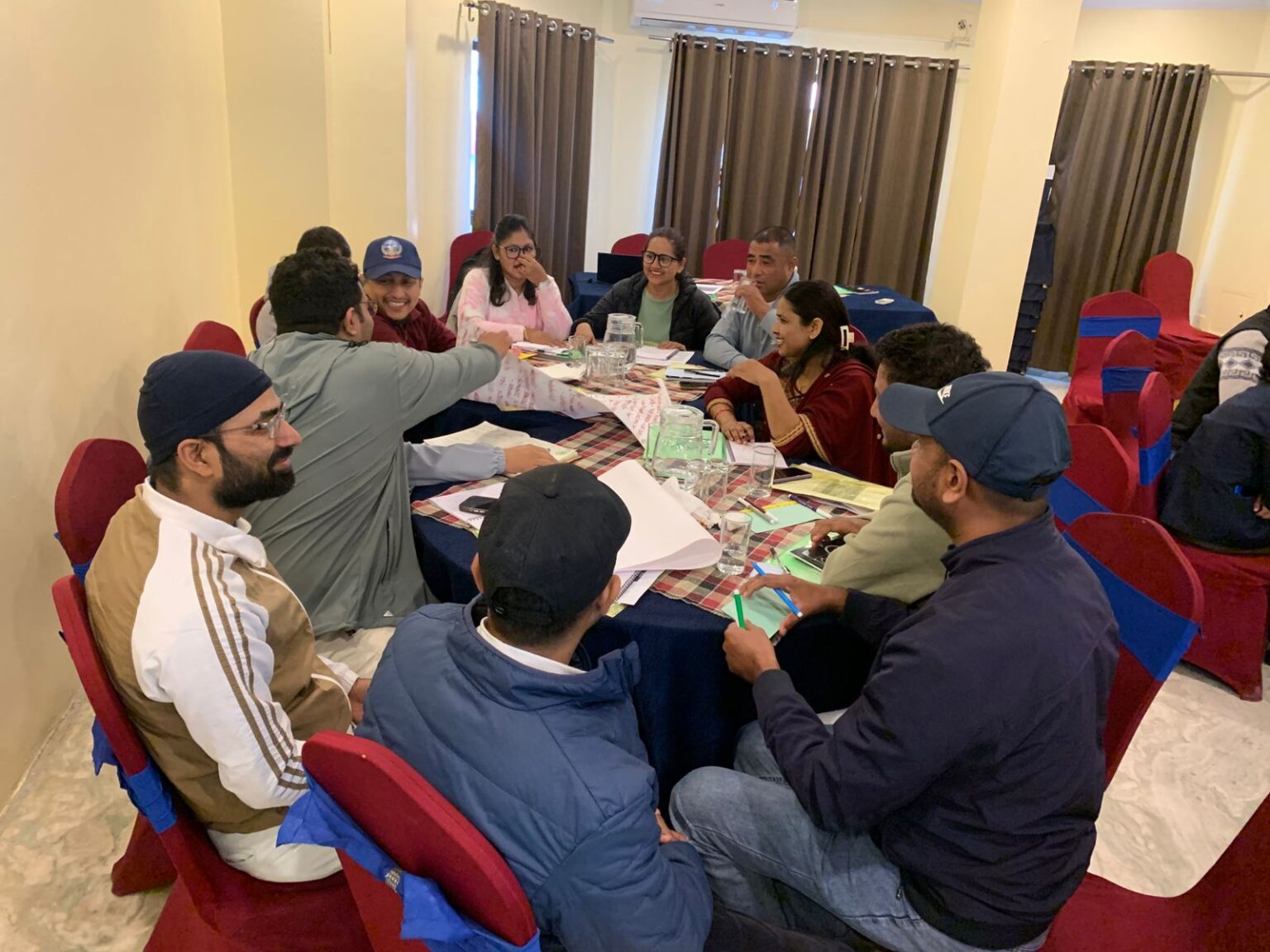
Day two centred on planning tools, including group exercises on stakeholder mapping, SWOT analysis, and designing municipal interventions. Peer-learning sessions showcased experiences from Tilottama and Dhangadhi Municipalities, followed by a session on public procurement and contract management, led by Dr. Yogendra Mishra, Joint Secretary and Executive Director of Mahakali Irrigation Project, Kanchanpur.
On the final day, participants visited the Integrated Solid Waste and Fecal Sludge Management Facility in Godawari Municipality and the Dhangadhi Waste Management System. The visits provided hands-on exposure to segregation, composting, biomethanation, material recovery, and Public-Private Partnership-based operations. These demonstrations highlighted opportunities for municipalities to strengthen resource recovery, circularity, and operational sustainability.
The training concluded with strong municipal commitments to strengthen source segregation, improve planning, and promote circular, resource-efficient waste systems. Participants emphasised the importance of continued knowledge exchange and technical support to translate planning into action.