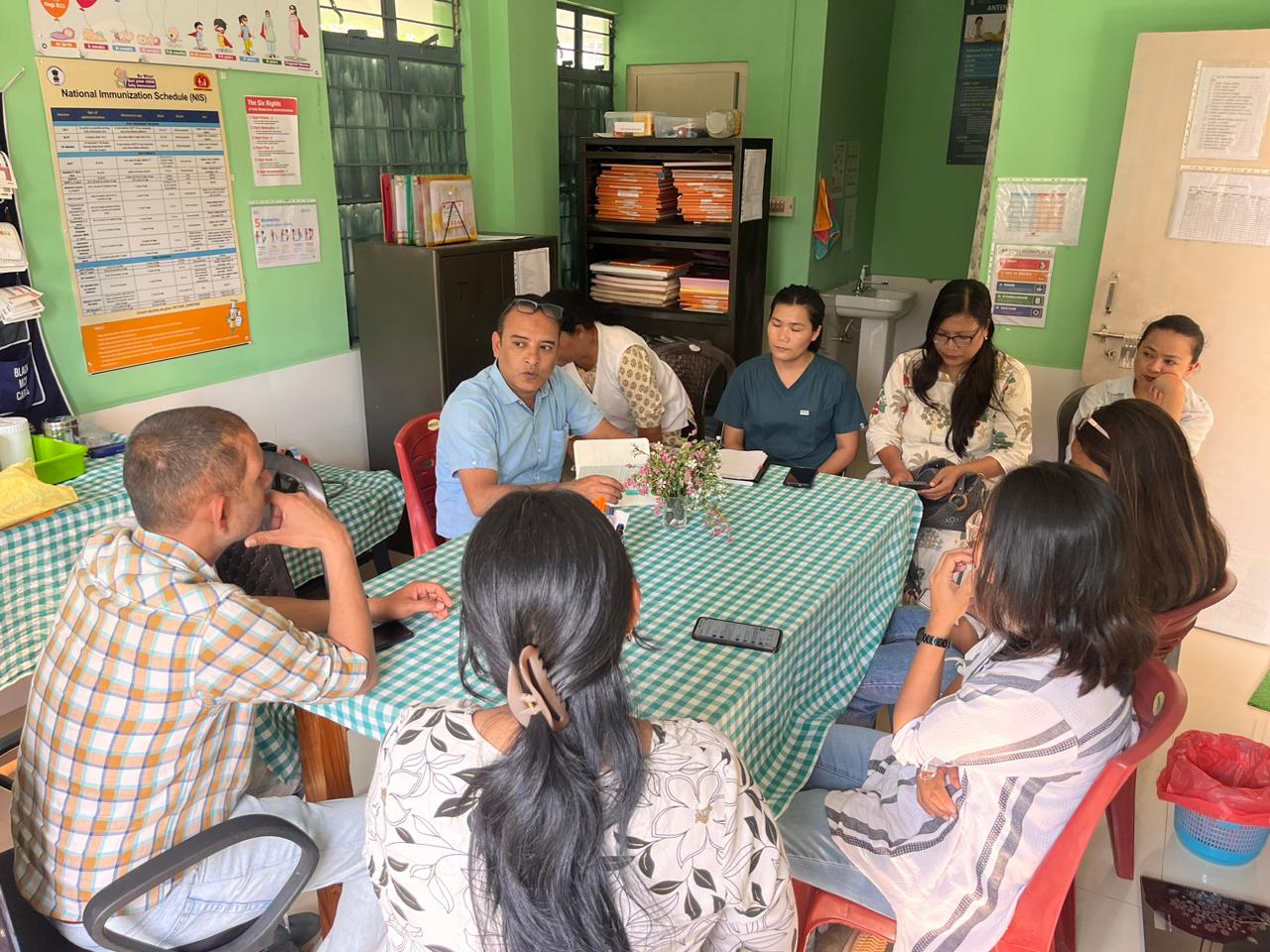
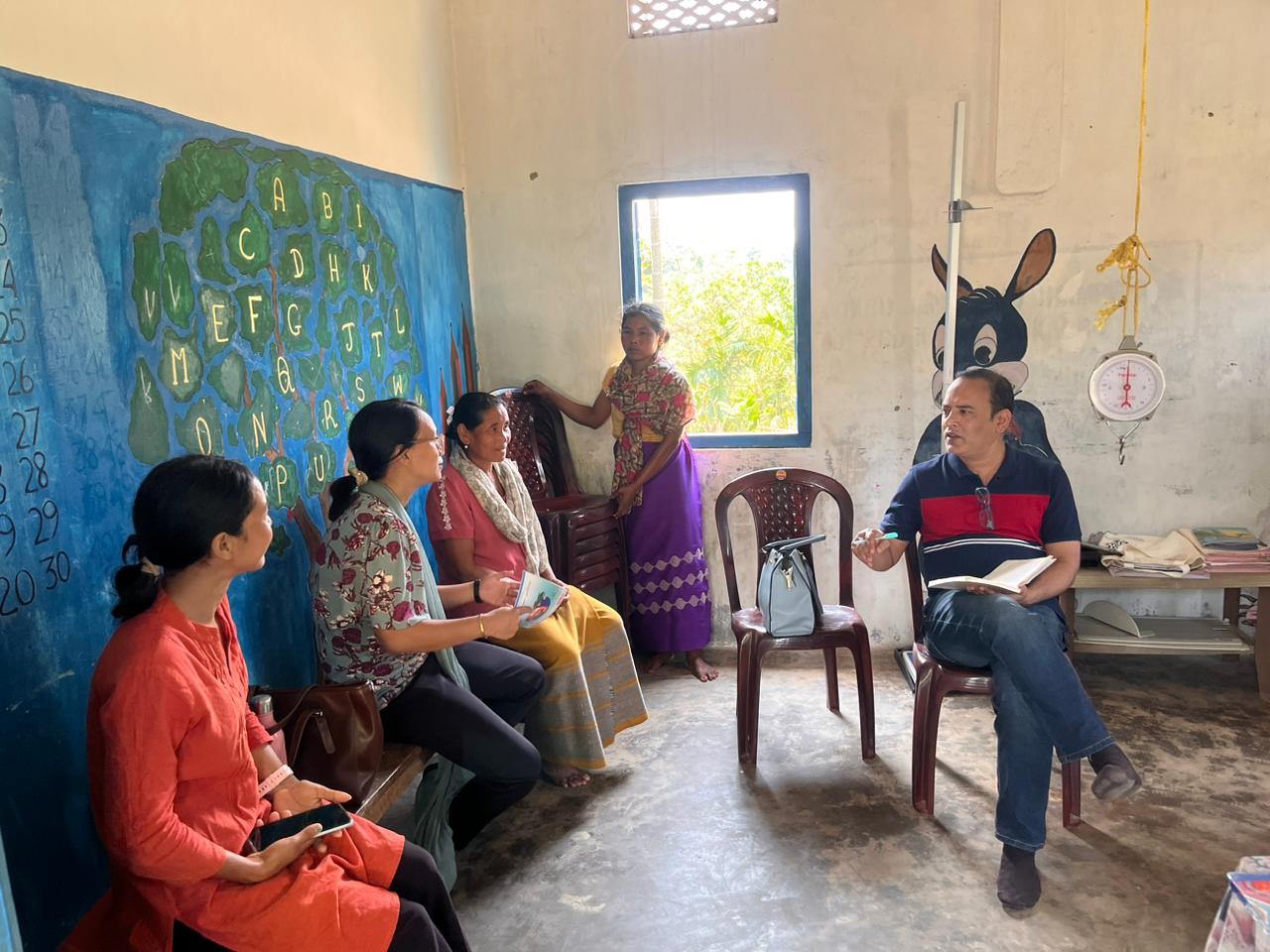
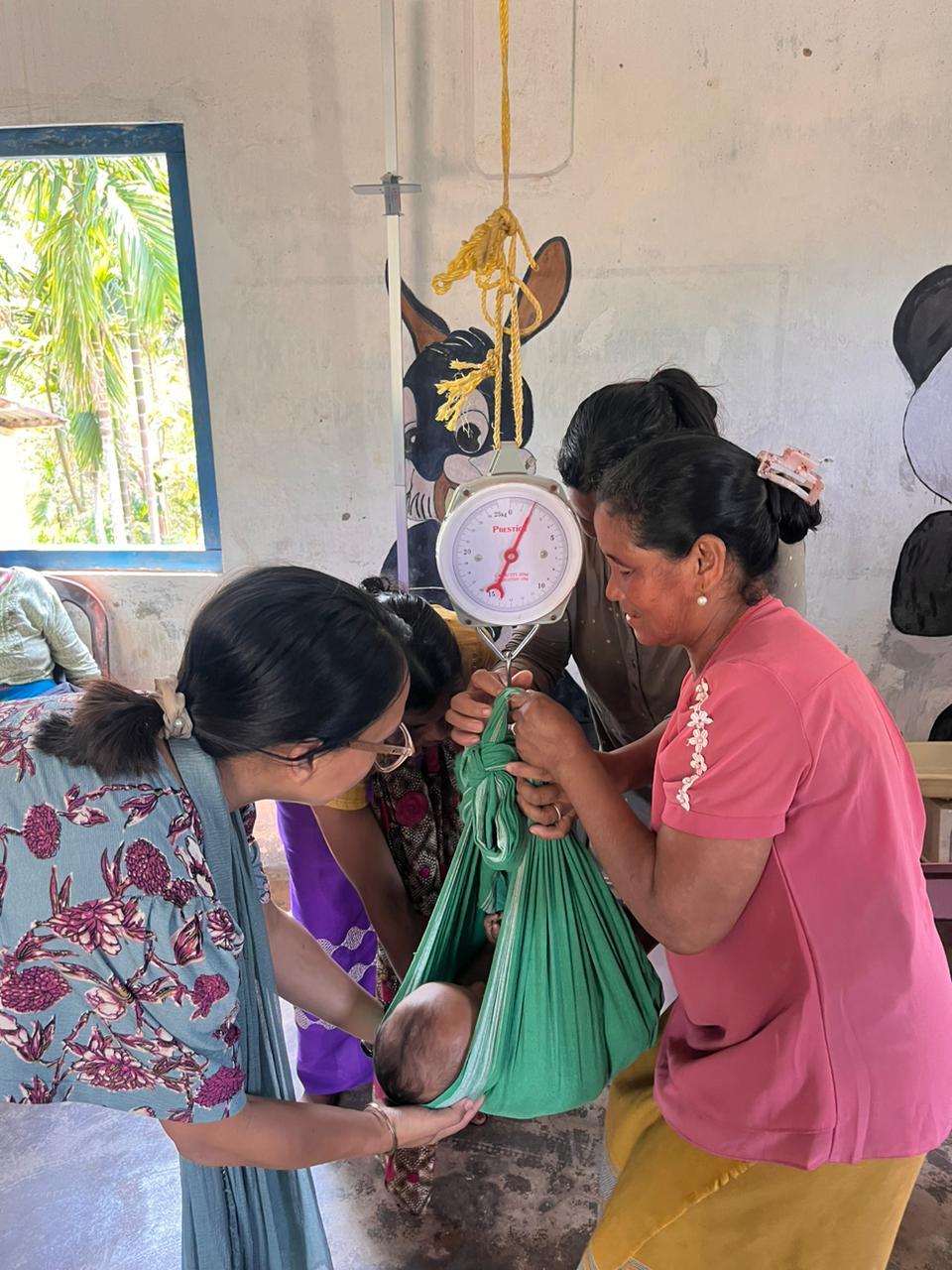
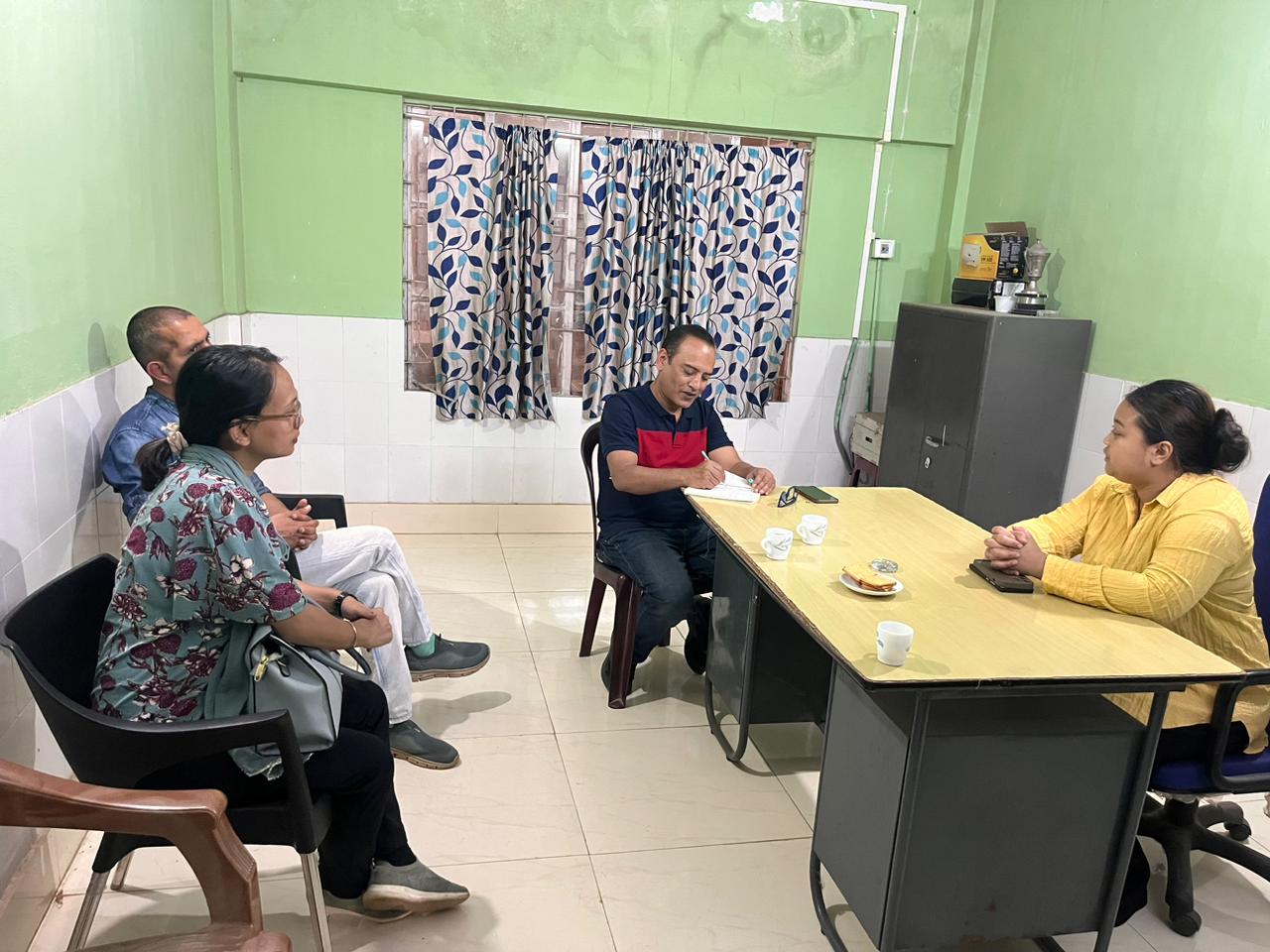
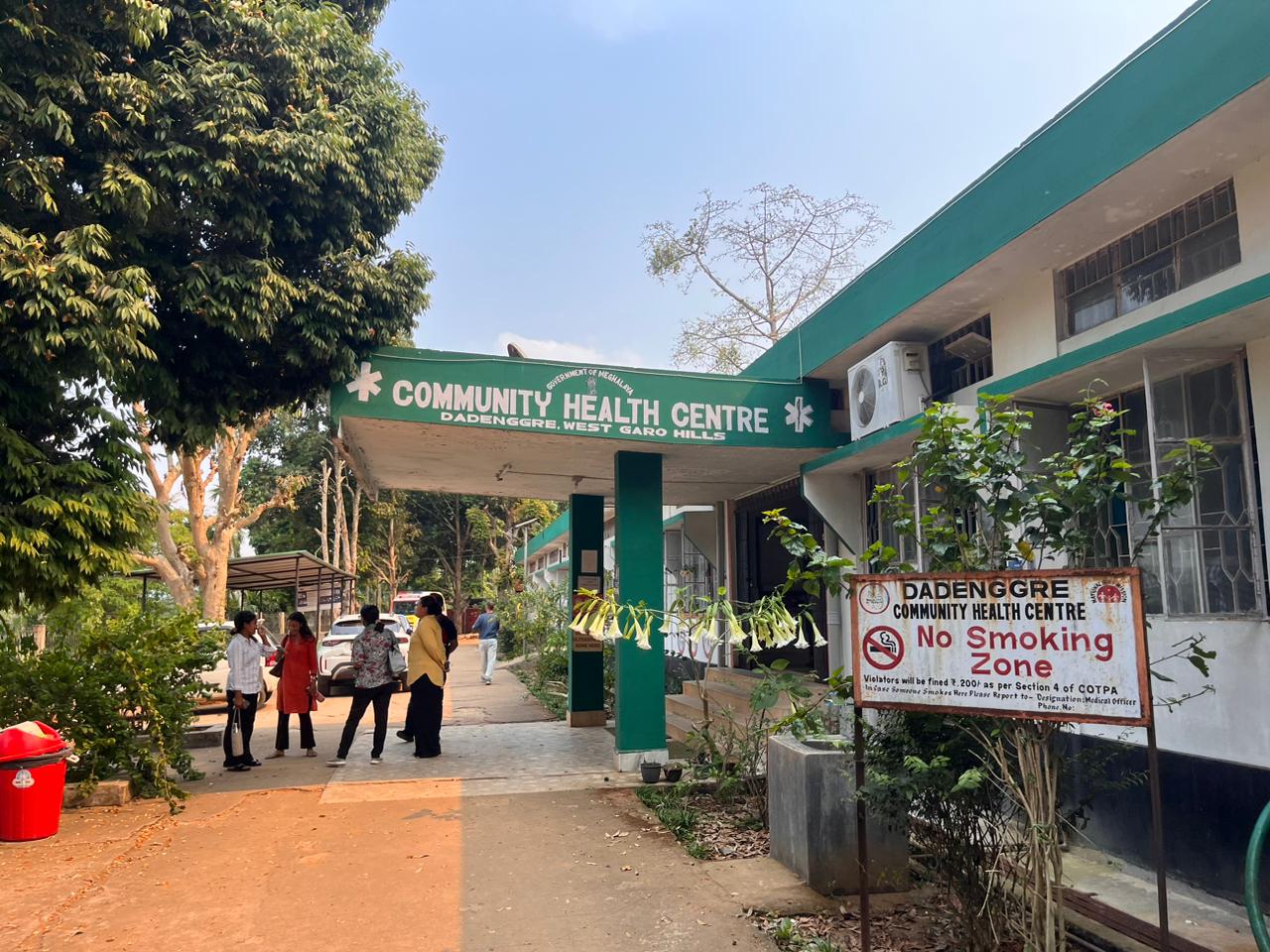
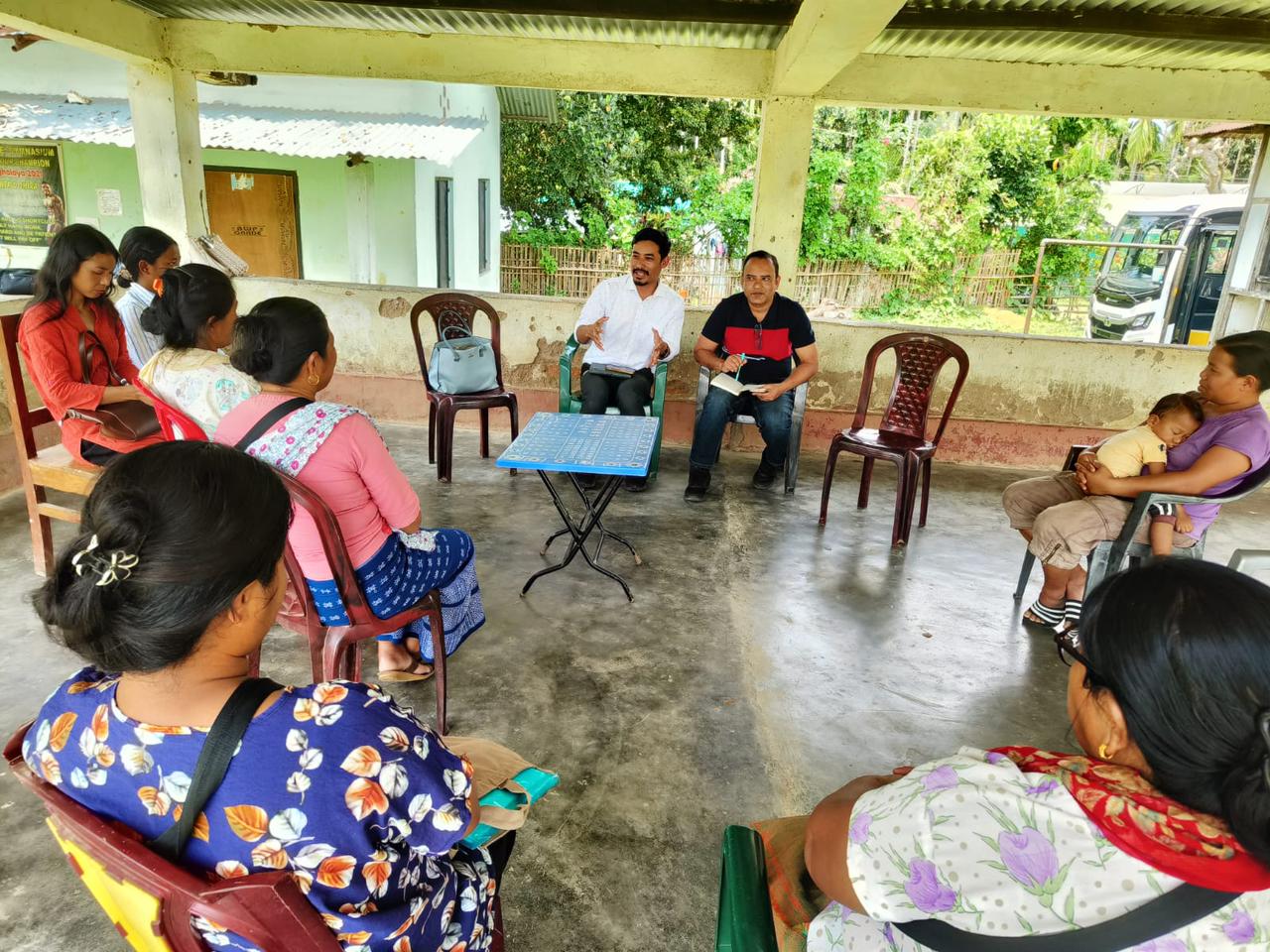
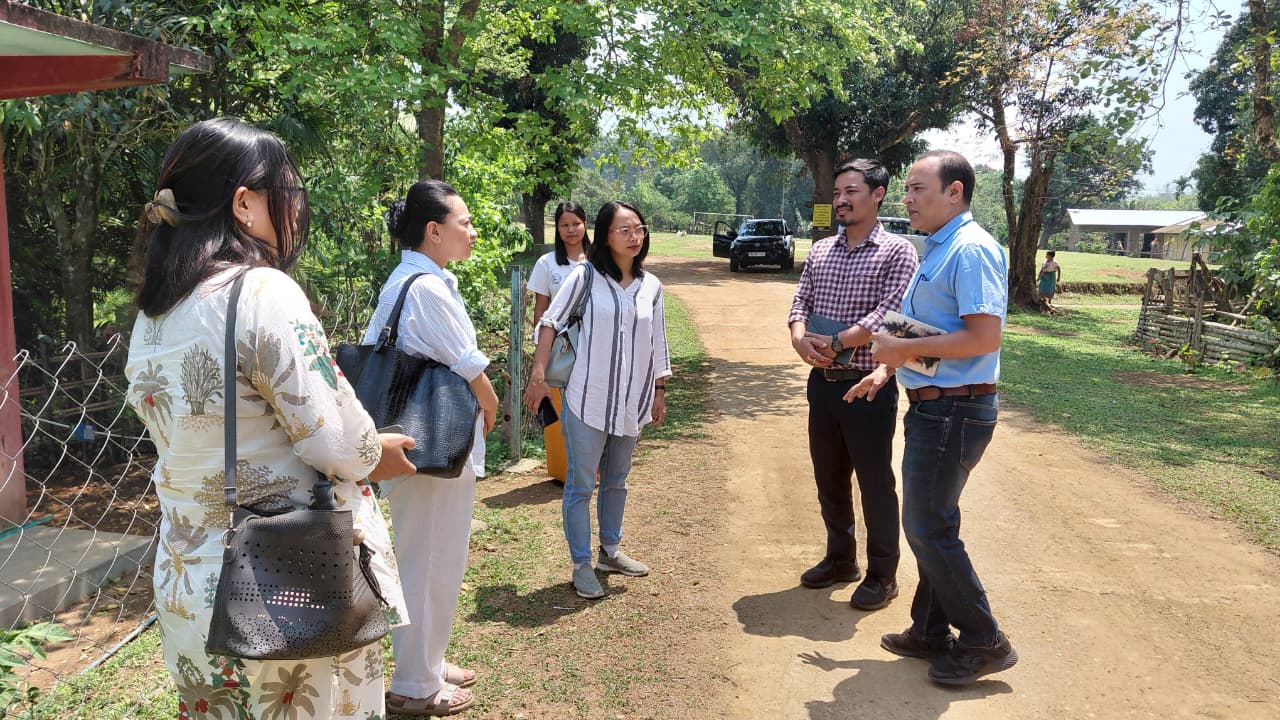
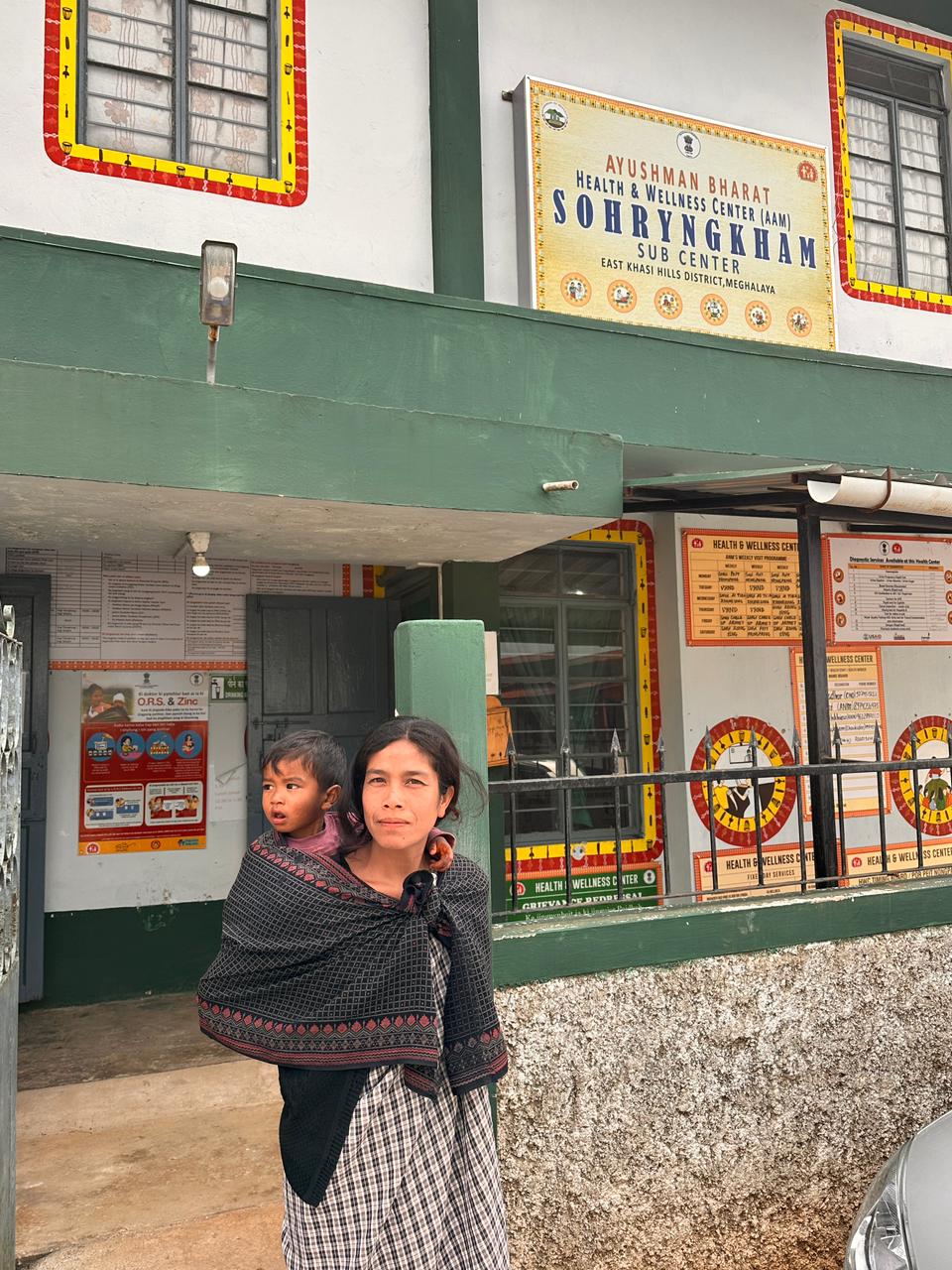
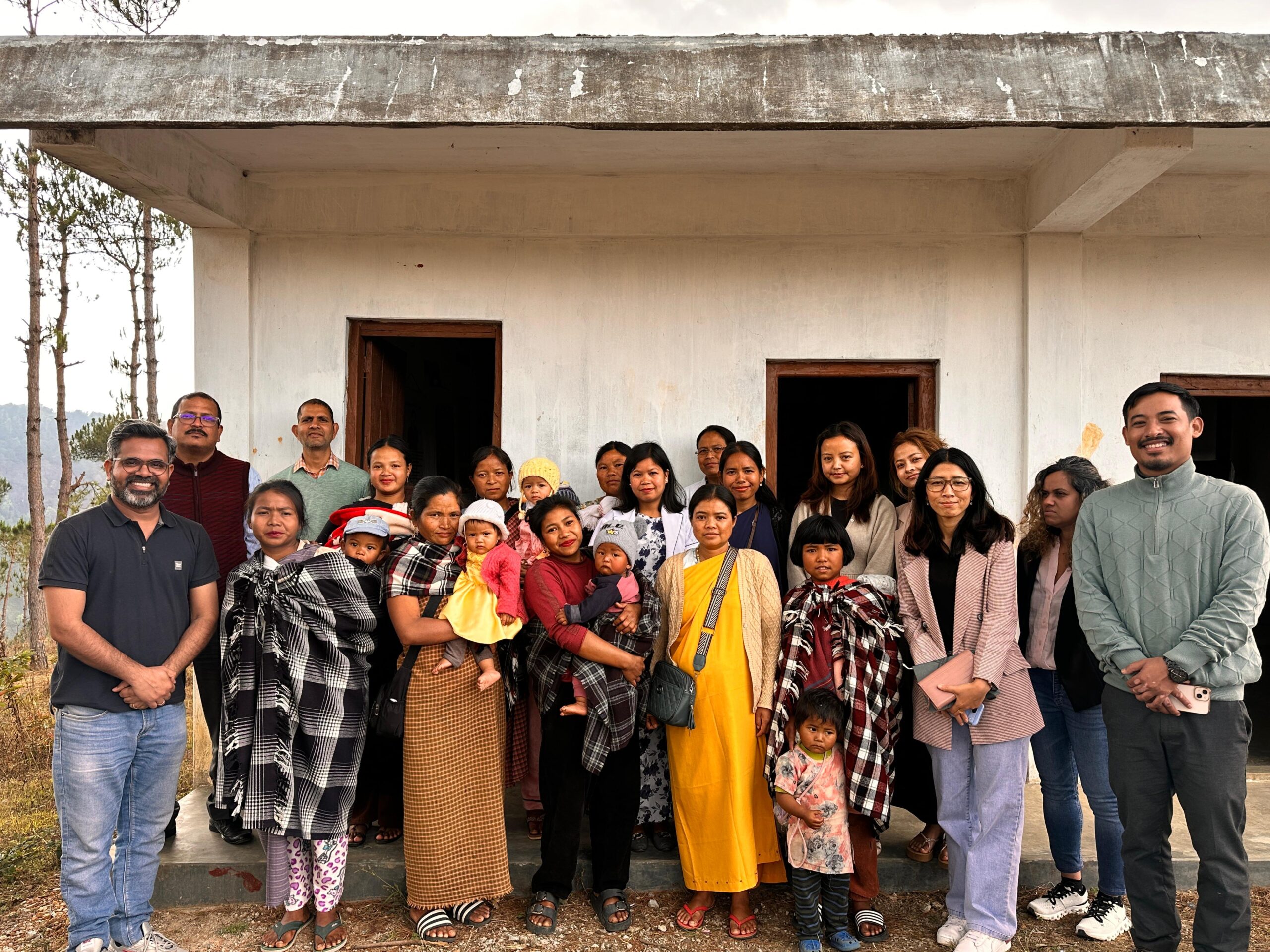
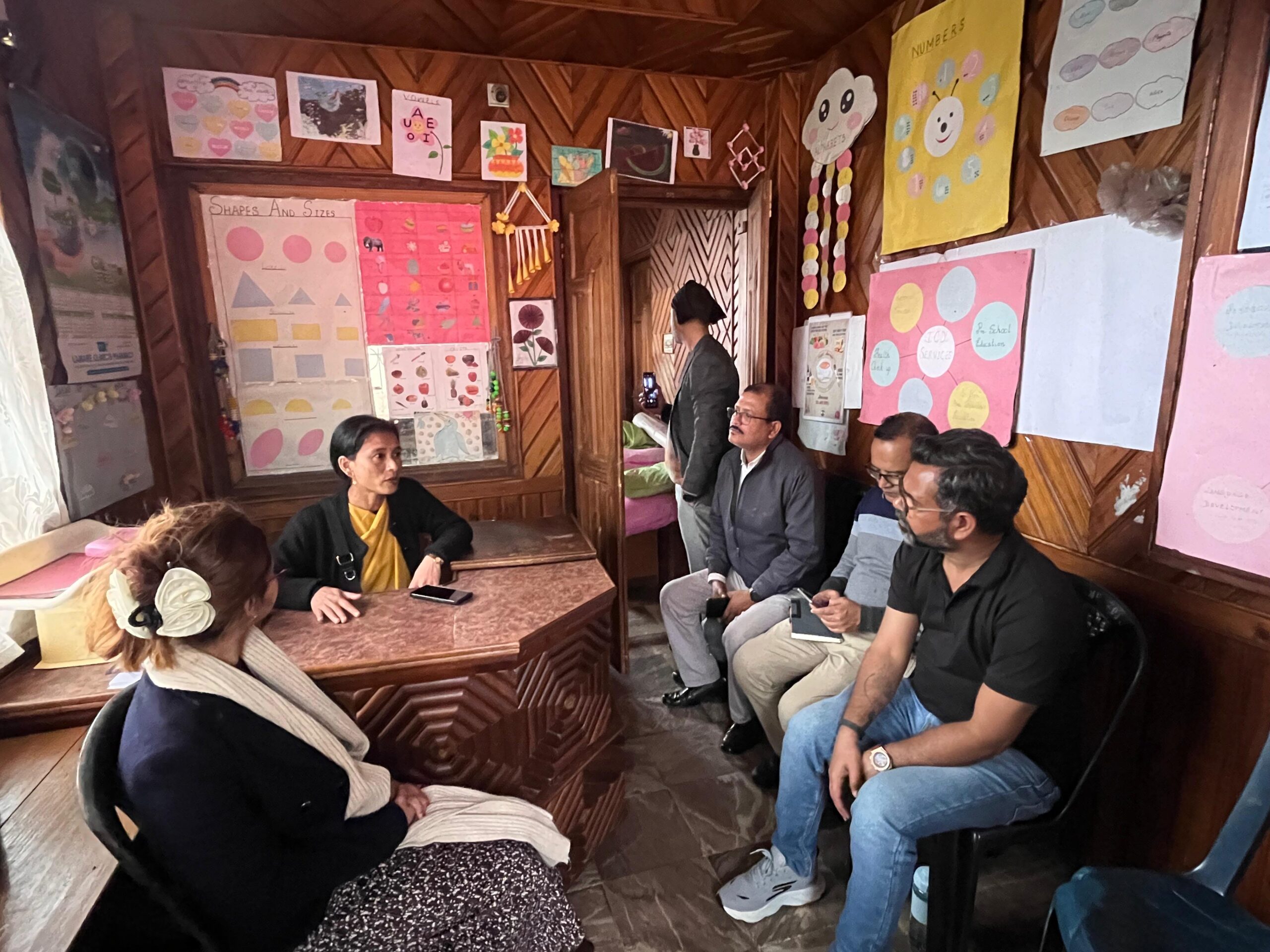
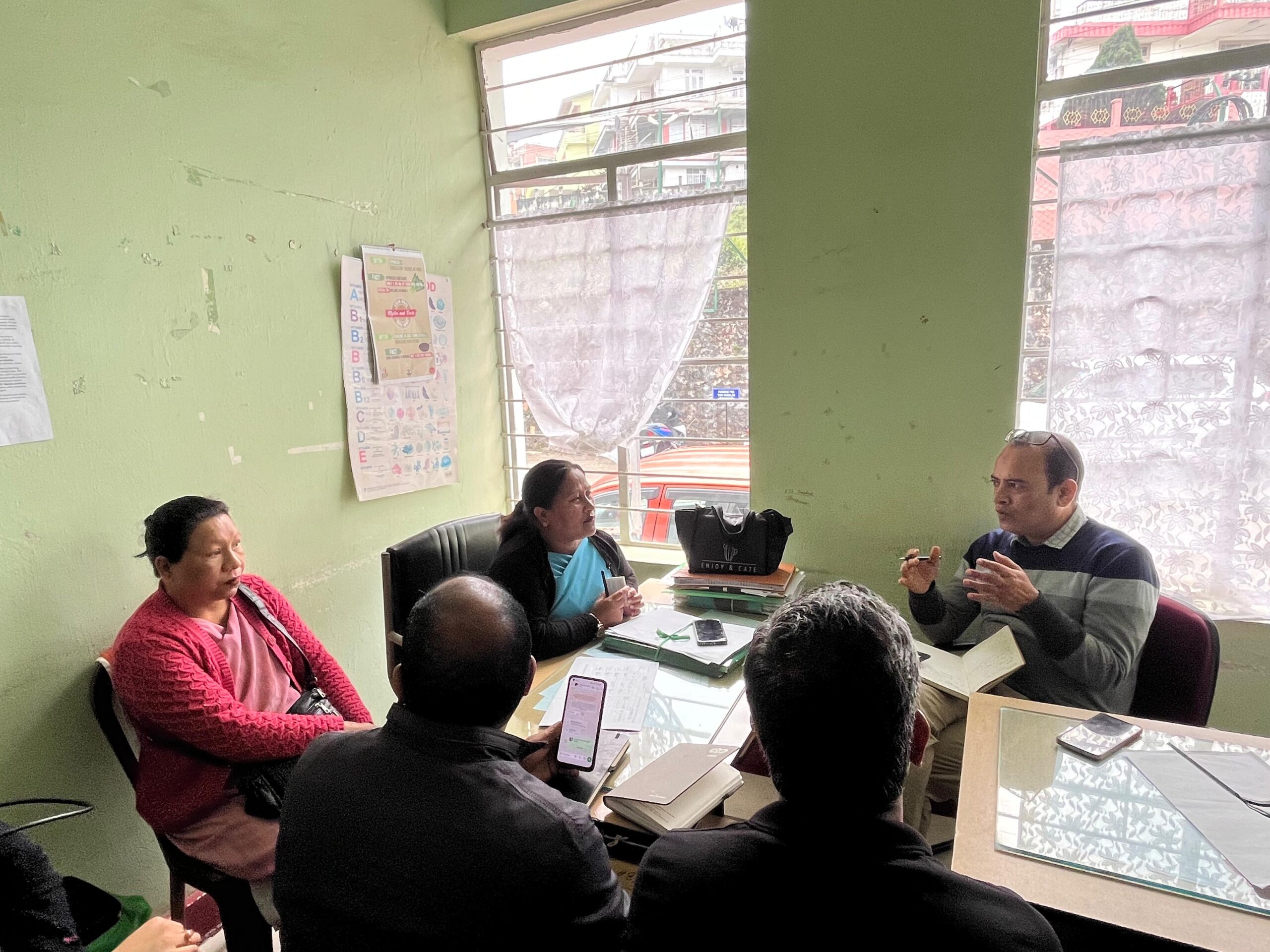
From 7-9th April, ICLEI South Asia’s Technical Support Unit (TSU) in Meghalaya conducted a field visit across key service delivery points across three blocks — Gambegre, Dadenggre, and Rongram in Meghalaya’s West Garo Hills district to gain a grounded understanding of the Early Childhood Development (ECD) ecosystem. This was the third in a series of visits being undertaken to understand how ECD interventions are experienced across centres, households, and community platforms, and identify opportunities to strengthen convergence and delivery through an integrated approach. Earlier in March, the TSU team undertook a similar field visit to eight service delivery points across the three blocks in the East Khasi Hills district.
The visits are a part of ICLEI South Asia’s project “Technical Support unit in Meghalaya to advance first 1000 days in MECDM,” in collaboration with Meghalaya Early Childhood Development Mission (MECDM), supported by the Van Leer Foundation (VLF).
The project aims to support the state government to strengthen state level high quality parenting programme based on the lessons learnt from Paalan 1000 Phase-I and ongoing MECDM initiatives. It caters to the need to create an environment that supports the well-being of parents and children through ECD interventions, and technical assistance for implementation of cluster-level interventions using five (05) Paalan principles, i.e. Parental Wellbeing, Positive Parenting, Parenting Coaching, Responsive Caregiving, Early Stimulation in the intervention blocks under the project in East Khasi Hills and West Garo Hills Districts .
During both visits, the team engaged closely with Anganwadi Centres, Primary Health Centres, Sub-Centres, and also participated in Village Health and Nutrition Day (VHND) sessions. The team interacted with Deputy Commissioner, District Programme teams, Medical Officers, Ayush Doctor, Child Development Project Officer, Anganwadi Supervisor, Anganwadi workers, Anganwadi Helpers, Accredited Social Health Activists (ASHAs), Auxiliary Nurse Midwives, Village Headman, pregnant women, lactating mothers, and caregivers, Self Help Groups, and Village Health Committees. The interactions provided nuanced insights into both the strengths and gaps in service delivery. They also underscored how partnerships with Self-Help Groups and village headmen can support programme scale-up and improve coordination. Further, the discussions brought out the role of various influential platforms at the village level in strengthening community participation and building trust in the system.
Across the centres at West Garo Hills, several positive practices were observed, including well-maintained and child-friendly infrastructure, consistent home visits by frontline workers, and regular VHND sessions ensuring strong community outreach. The centres also demonstrated innovative use of Information, Education, and Communication (IEC) materials, and effective implementation of key maternal health schemes. Community engagement through local groups was strong, supported by good availability of IEC resources, robust record-keeping systems, and efficient management and distribution of take-home rations.
In East Khasi Hills district, the team observed positive practices such as well-ventilated spaces designed for interactive learning, adequately equipped Primary Health Centres supporting maternal and child health services, and Anganwadi Centres with strong early learning through play materials, Building as Learning Aid (BaLA) wall art, and digital tools. There was notably high participation of women in VHND sessions, particularly for child immunisation, alongside effective implementation of the CM Safe Motherhood Scheme. Strong community engagement from Self Help Groups, village leaders, and women’s groups was evident, and take-home ration services were efficiently distributed, ensuring that nutritional support reached families.
While notable strengths were observed, the team identified key gaps and outlined priorities to strengthen ECD in the state, including better integration of Paalan 2.0 principles into daily routine service delivery, development of context-specific and culturally relevant communication strategy, community-driven solutions, improved parental caregiving practices, greater engagement of fathers in childcare, and addressing ECD holistically across centres, homes, and communities. Moving forward, the TSU will leverage field insights to co-develop a scalable roadmap and identify Lighthouse ECD centres with MECDM, based on infrastructure readiness and early stimulation environments.
ICLEI South Asia remains committed to supporting the Government of Meghalaya in strengthening Early Childhood Development systems by building on these insights. By prioritising parental wellbeing, responsive caregiving, early stimulation, positive parenting and parental coaching, ICLEI South Asia aims to contribute to a sustainable and inclusive ecosystem that ensures improved outcomes for young children and their families across the state.