How ICLEI South Asia is supporting the development of a national greenhouse gas inventory system
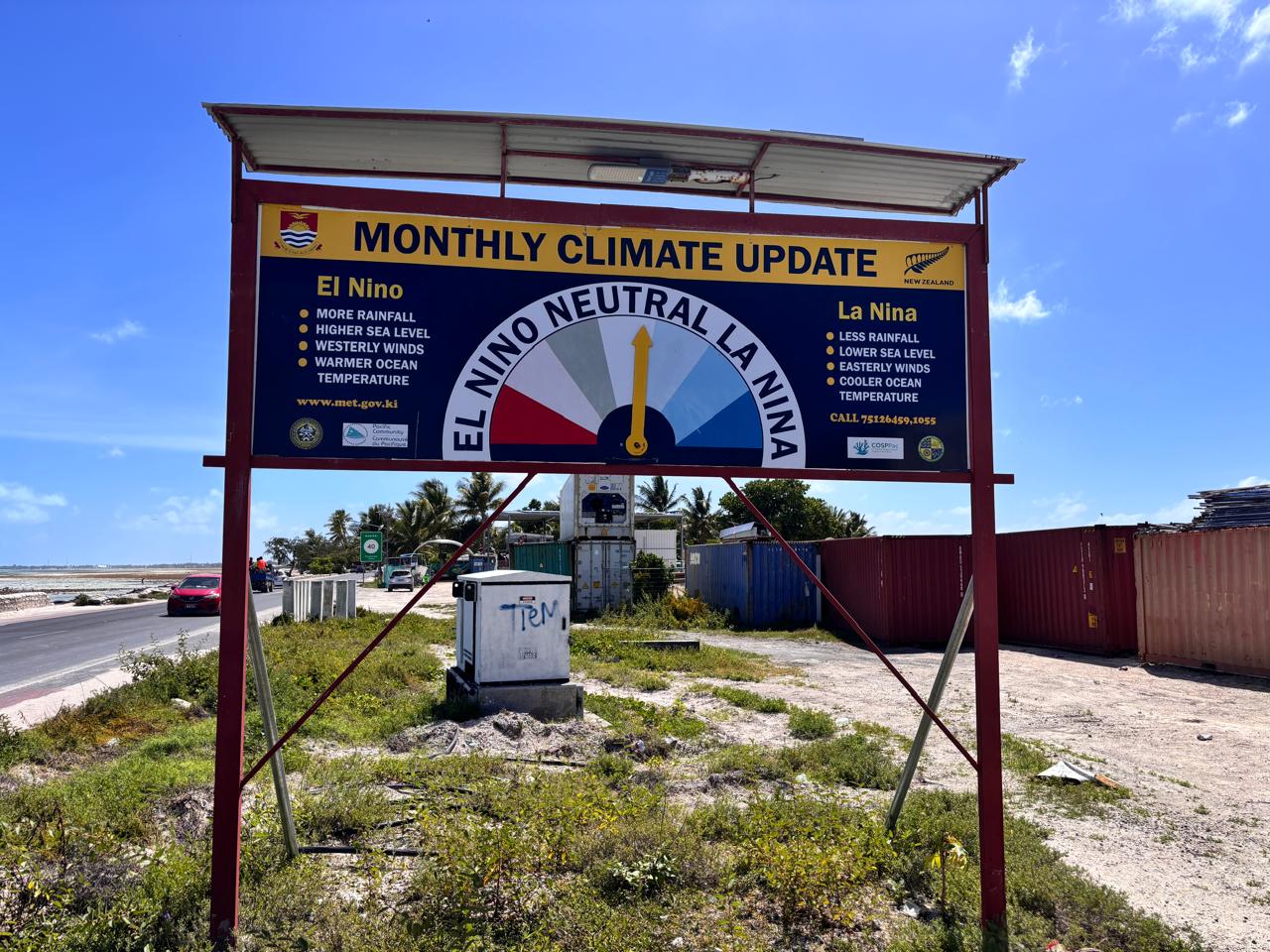
In the islands of Kiribati, climate change is a reality that the people navigate every day. Scattered across the central Pacific Ocean, water is slowly but steadily moving closer to the inhabited land.
Kiribati, a Small Island Developing State, is among the countries most vulnerable to the impacts of climate change despite contributing very little to global greenhouse gas emissions. The country’s per-capita emissions are estimated at only about 0.84 tonnes of CO₂ equivalent.
Over the last three decades, sea levels around Kiribati have already risen by approximately 5–11 cm. Projections indicate that this could increase by another 15–30 cm by 2050. As shorelines retreat and flooding events become more frequent, freshwater sources are increasingly vulnerable to salinisation, threatening access to safe drinking water. Droughts are becoming more frequent, while limited agricultural production and heavy dependence on imported food add to the country’s vulnerability.
Population pressures are also growing. Migration from outer islands to South Tarawa, the country’s main urban centre, has led to a concentration of people and infrastructure in already fragile coastal zones. The strain on essential services, ecosystems, and livelihoods continues to intensify.
And yet, there is a quiet determination here.
Despite the challenges, the Government of Kiribati has continued to strengthen its climate response and long-term planning. In its Nationally Determined Contribution (NDC), the country has pledged to reduce greenhouse gas emissions by approximately 12.8 percent unconditionally, and by up to 49 percent with international assistance by 2030, relative to a business-as-usual baseline. The nation has developed key adaptation frameworks such as the Kiribati Joint Implementation Plan (KJIP) for Climate Change and Disaster Risk Management and the National Adaptation Plan (NAP). Through these initiatives, the country is focusing on increasing the resilience of its coastal ecosystems, buildings, and infrastructure, and improving water and food security. Kiribati is aiming to mainstream climate change and disaster risk management into the national development planning process.
It was within this broader climate journey that a team from ICLEI South Asia arrived in Kiribati in February 2026.
Strengthening Climate Reporting in Kiribati
ICLEI South Asia, as the Secretariat of Asia LEDS Partnership (ALP), is supporting the Government of Kiribati, under the NDC Partnership-supported initiative, “Development of a National GHG Inventory for Kiribati”. The project is coordinated by the Office of Te Beretitenti (President), Government of Kiribati and aims to develop a nationally owned greenhouse gas (GHG) inventory framework aligned with the guidelines provided by the Intergovernmental Panel on Climate Change (IPCC). It will support the institutionalisation of GHG inventory management and reporting in line with the United Nations Framework Convention on Climate Change’s (UNFCCC) requirements and timelines, while also strengthening national capacity for data collection, analysis, and reporting.
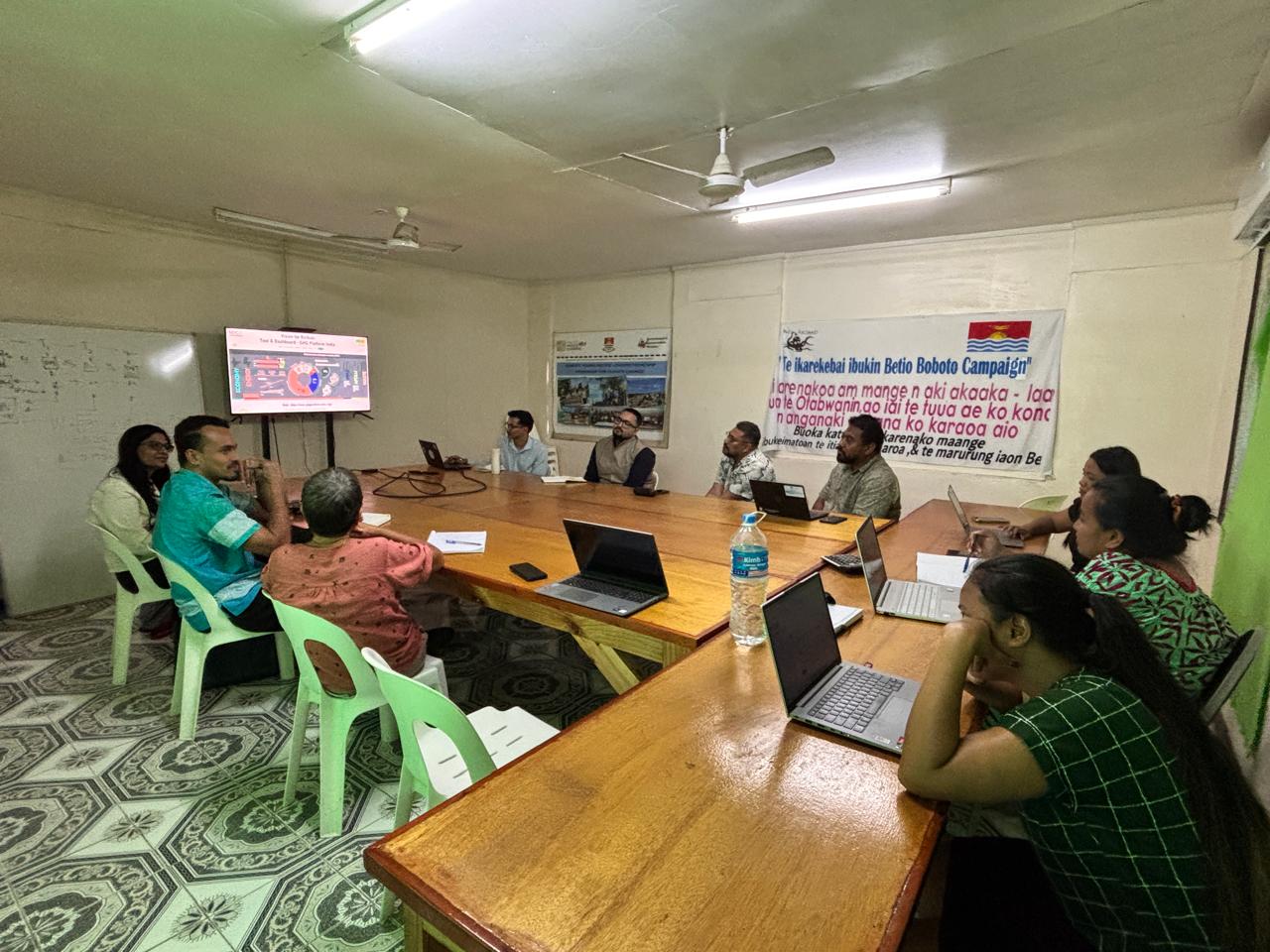
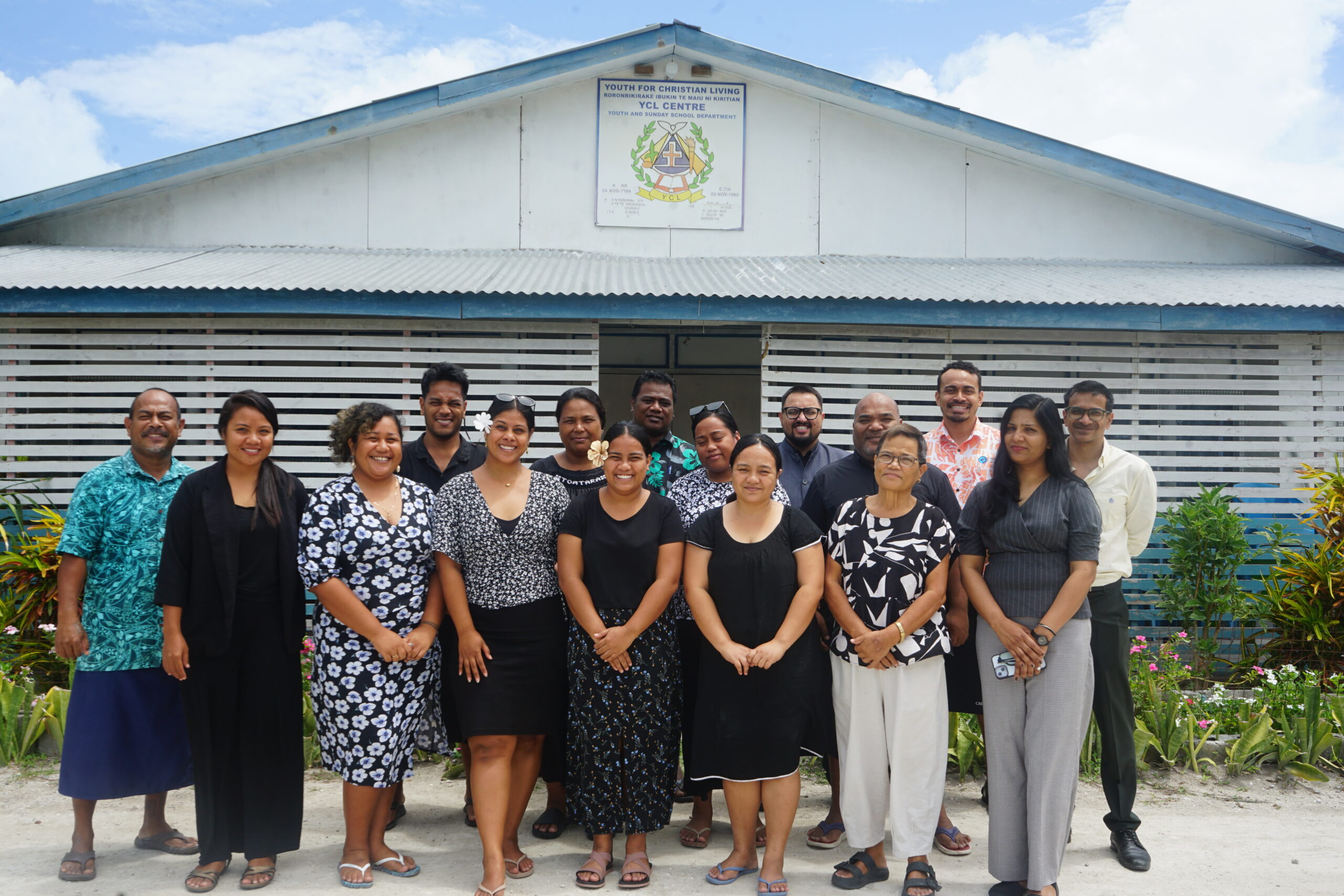
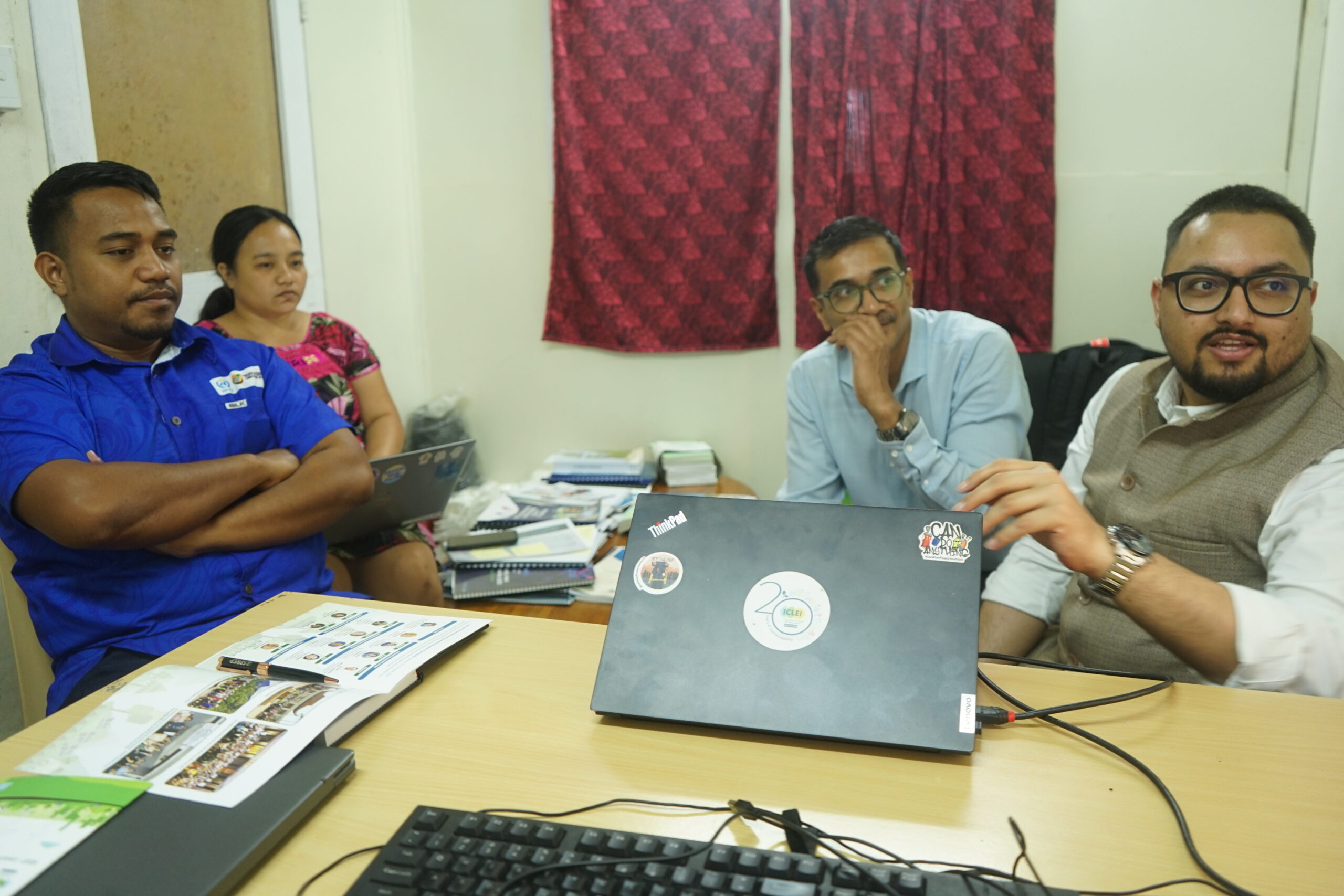
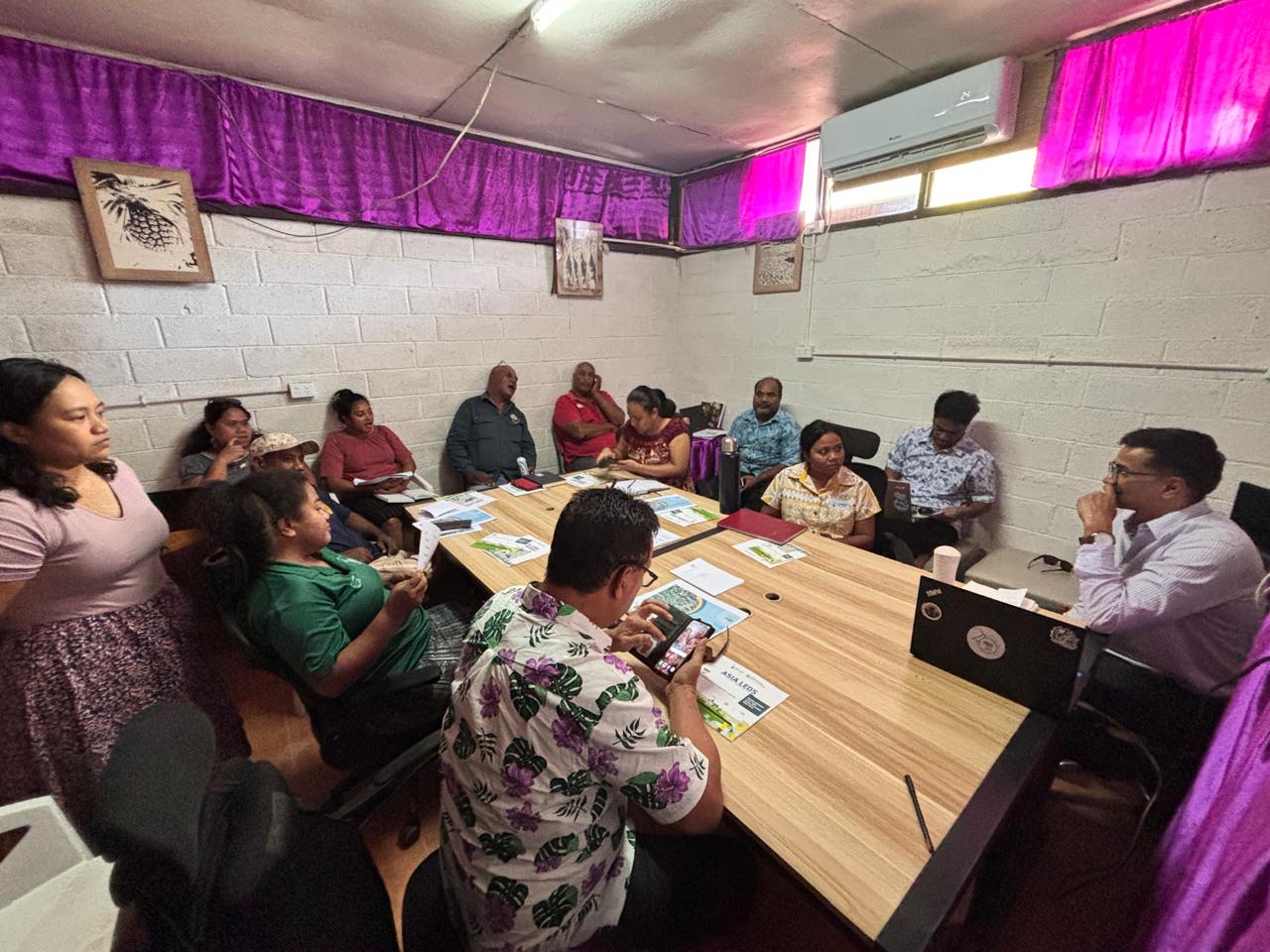
From 10 to 20 February 2026, the ICLEI South Asia team met with officials, technical experts, and sectoral agencies across government to better understand the country’s institutional landscape and the way climate-relevant data currently moves.
The mission involved consultations with several key ministries and agencies, including the Ministry of Environment, Lands and Agricultural Development (MELAD), the Ministry of Information, Communications and Transport (MICT), and the Ministry of Infrastructure and Sustainable Energy (MISE). Discussion included officials from agencies such as the Civil Aviation Authority of Kiribati (CAAK), the Digital Transformation Office (DTO), Kiribati Coconut Development Limited (KCDL), and the Kiribati Oil Company Limited (KOIL).
The team consulted members of the Technical Working Group on Climate Mitigation under the Kiribati National Expert Group (KNEG), which serves as the principal strategic advisory body for climate change and disaster risks in Kiribati. KNEG coordinates national climate change actions, develops joint implementation plans, and assists with vulnerability assessments.
Mapping the path to a National Inventory System
The mission enabled the team to gain a clearer understanding of sectoral data availability, institutional roles, and coordination mechanisms necessary to develop a nationally owned and sustainable inventory system for Kiribati. This will pave the way for further steps, including preparing the GHG inventory framework, institutionalising the inventory management system, and capacity-building among stakeholders.
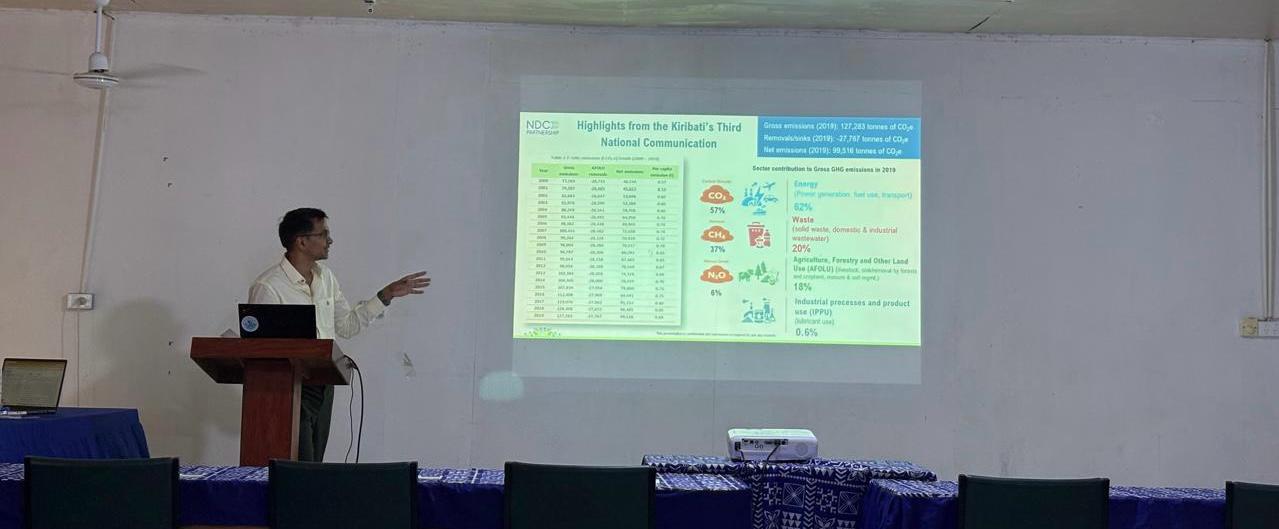
Kiribati has already made efforts and institutional arrangements, including its Third National Communication (TNC) and First Biennial Update Report (BUR) submitted to the UNFCCC in 2025, which contain the most recent national GHG emissions estimates covering the period up to 2019. They provide a strong foundation for further strengthening and institutionalising the national GHG inventory system.
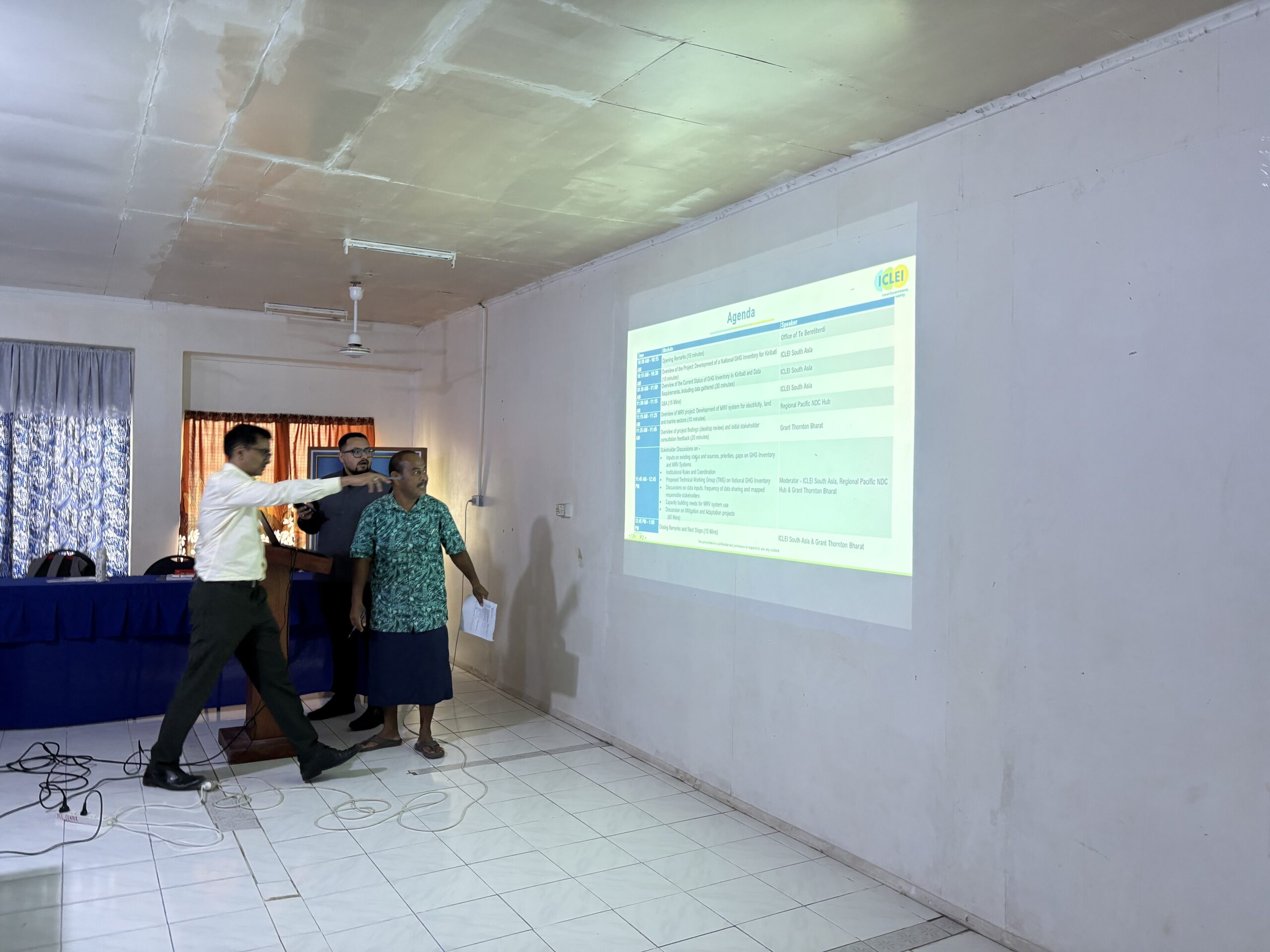
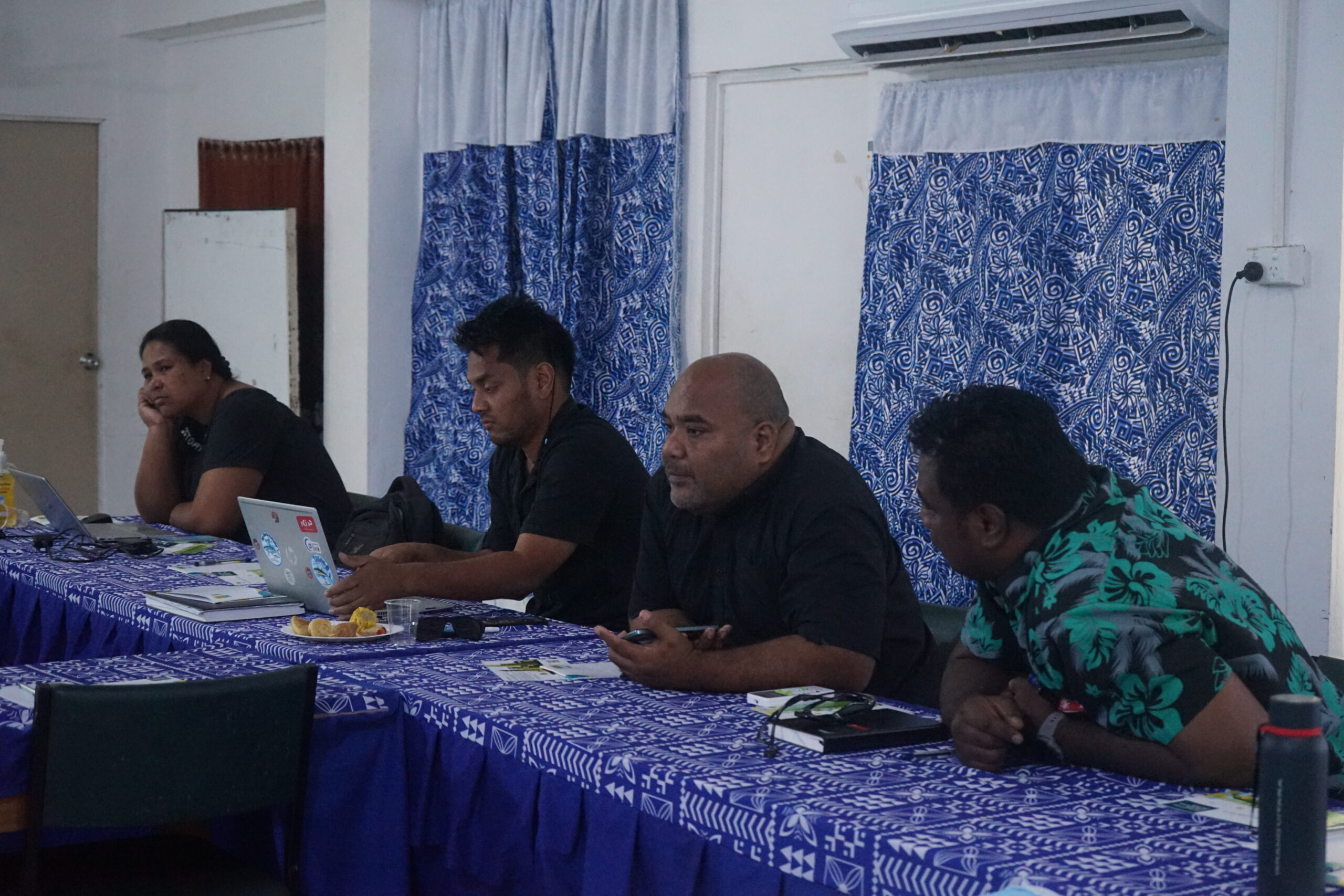
The mission concluded with a joint National Dialogue on the GHG Inventory and Monitoring, Reporting and Verification (MRV) System in collaboration with the Regional Pacific NDC Hub. The dialogue brought together representatives and stakeholders from key ministries, departments, and institutions who engaged collectively and facilitated discussions on information sharing and on institutional roles in the development and long-term management of Kiribati’s national GHG inventory system.
The proposed GHG inventory system is intended to serve as a unified national platform through which sectoral agencies can systematically record activity data, estimate greenhouse gas emissions using standardised methodologies, and support the country’s reporting obligations under the UNFCCC, including National Communications, Biennial Transparency Reports, and NDC tracking.
For Kiribati, a nation standing on the frontlines of the climate crisis, such institutional work matters deeply. It forms the foundation of how the country prepares for the future. By counting emissions, strengthening coordination, and building national capacity, Kiribati is creating the systems that will help guide its climate journey in the decades ahead.