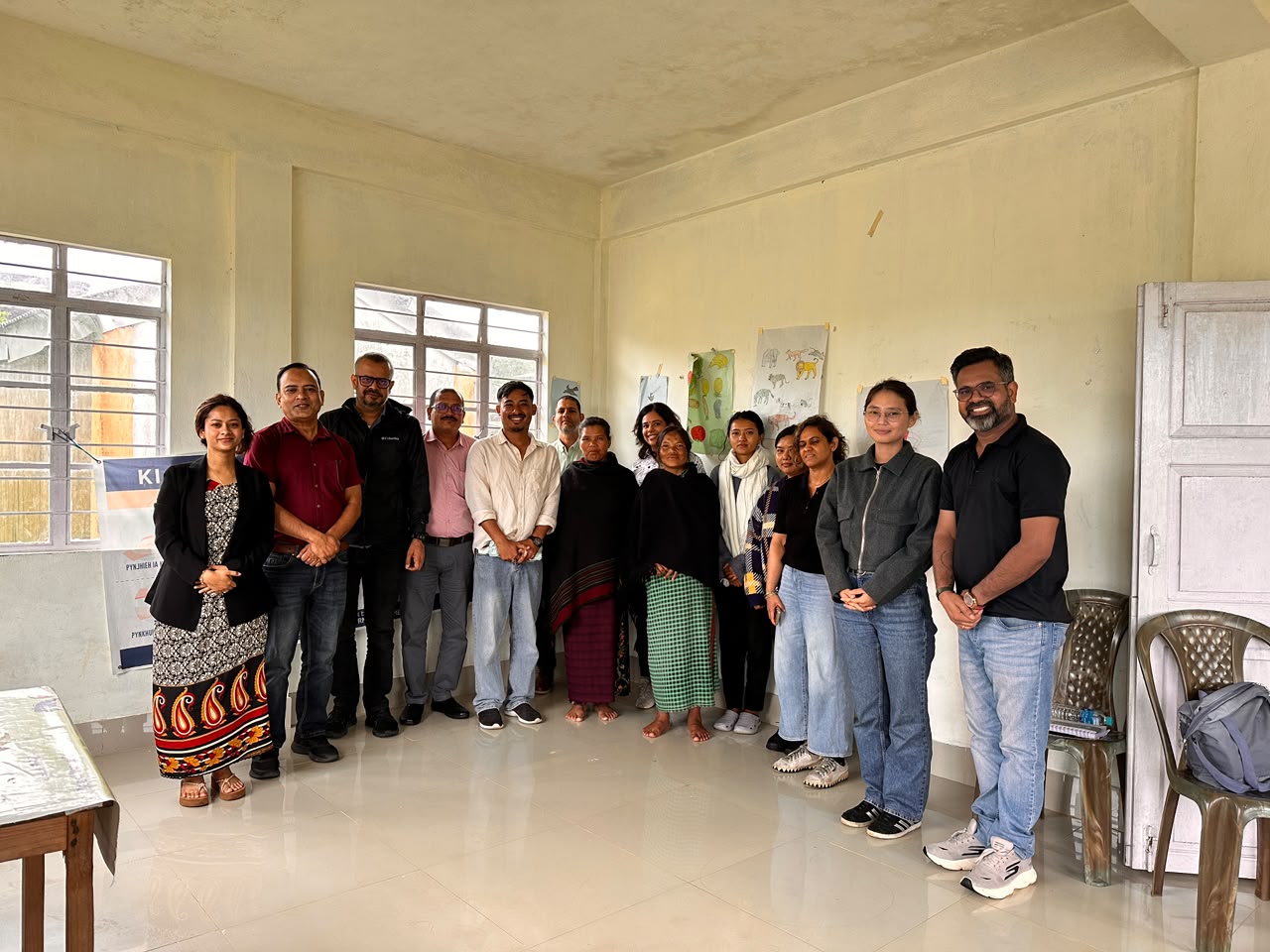
On 7 July, ICLEI South Asia’s Technical Support Unit (TSU) in Meghalaya, under the “Technical Support Unit in Meghalaya to Advance the First 1000 Days in MECDM” project, visited the Laitmynsang Anganwadi Centre (AWC) in East Khasi Hills, Meghalaya.
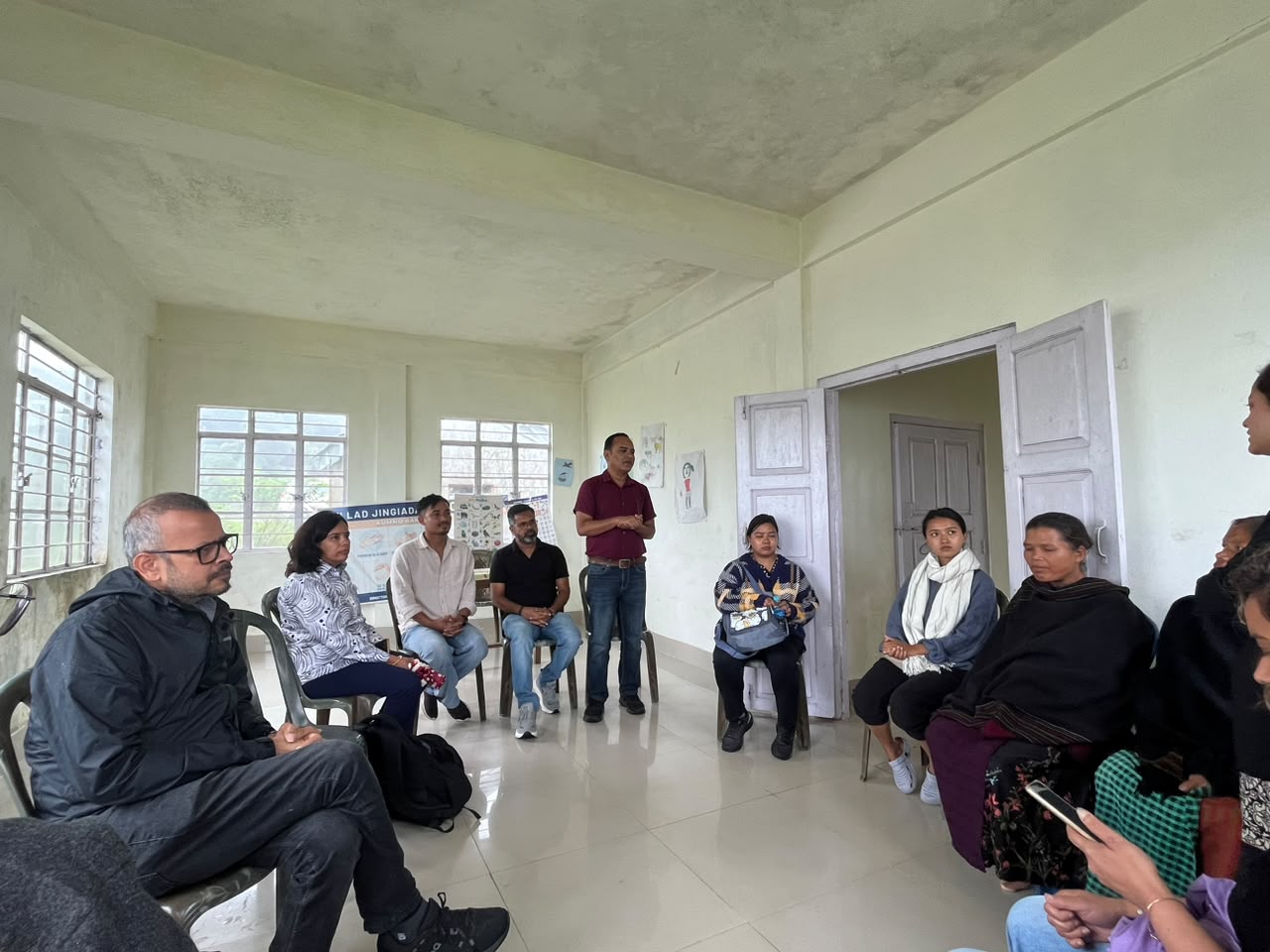
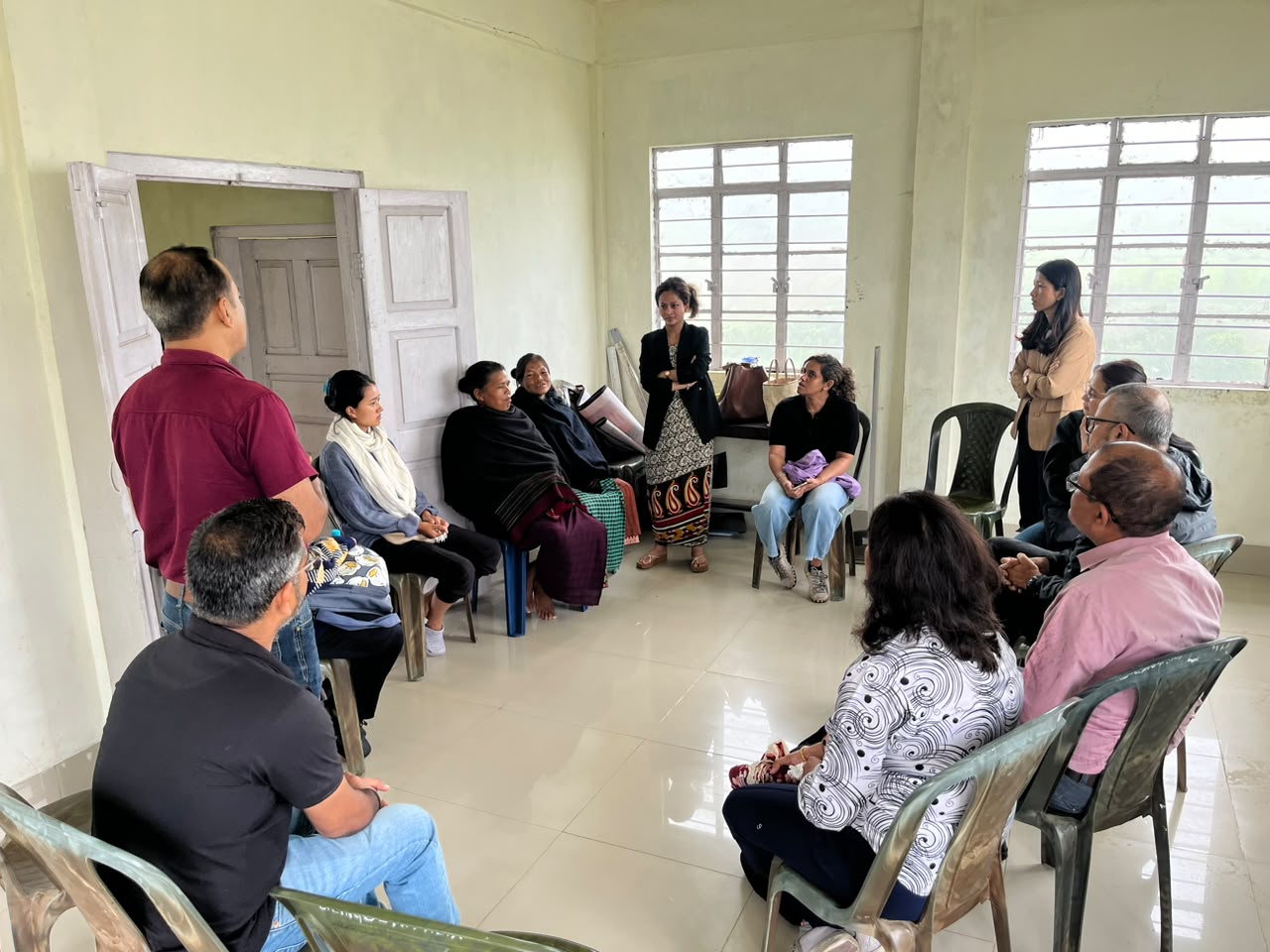
Led by Divya Prakash, Associate Director, along with Avantika Arjuna Programme Manager, ICLEI South Asia, the visit was aimed at gaining a deeper understanding of how the Paalan 2.0 principles are being integrated into routine Anganwadi service delivery. Through interaction with Anganwadi Workers (AWW), the team gained insights into day-to-day implementation practices, community engagement approaches, and the realities of delivering ECD services at the grassroots. The team observed and discussed the implementation of key Paalan 2.0 principles such as responsive caregiving, positive parenting, parental wellbeing, early stimulation, and parental coaching, and explored how these principles are being promoted among families through community-level interventions.
Discussions highlighted existing challenges, opportunities for strengthening programme delivery, and innovative practices that can inform future interventions. Particular emphasis was placed on understanding how parental well-being is addressed and how parents are supported in providing nurturing care for young children.
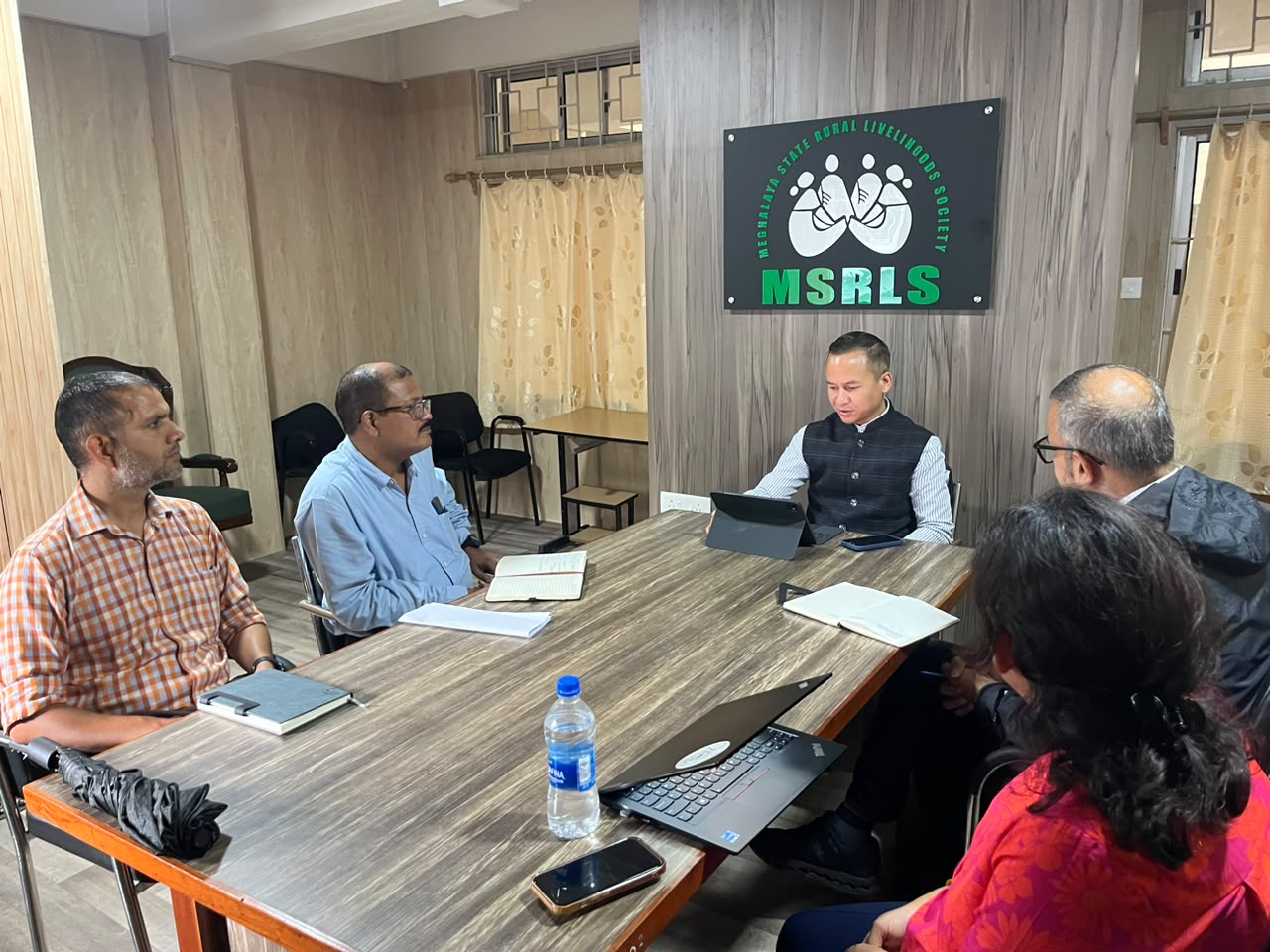
Following the field visit, the team held a detailed meeting with the Chief Operating Officer (COO), MECDM. The discussions focused on advancing the ECD Lighthouse Centres, the progress of the ongoing formative research, strengthening the contextualisation of Paalan content for Meghalaya, and identifying strategies to document and amplify promising practices emerging from the field.
The visit reinforced the importance of continuous engagement with frontline workers and communities to ensure that evidence-based ECD approaches are effectively translated into practice.
Through such collaborative learning exercises, ICLEI South Asia is reinforcing its commitment to strengthen programme implementation and contribute to building a more responsive, context-specific, and child-centred ECD ecosystem across Meghalaya.