Dhankuta Municipality in Koshi Province, Nepal, has taken a significant step towards localising the Sustainable Development Goals (SDGs). The Himalayan town has initiated the preparation of its first Voluntary Local Review (VLR) —a locally led assessment and reporting process through which a city or local government reviews, documents, and communicates its progress toward achieving the Sustainable Development Goals (SDGs).
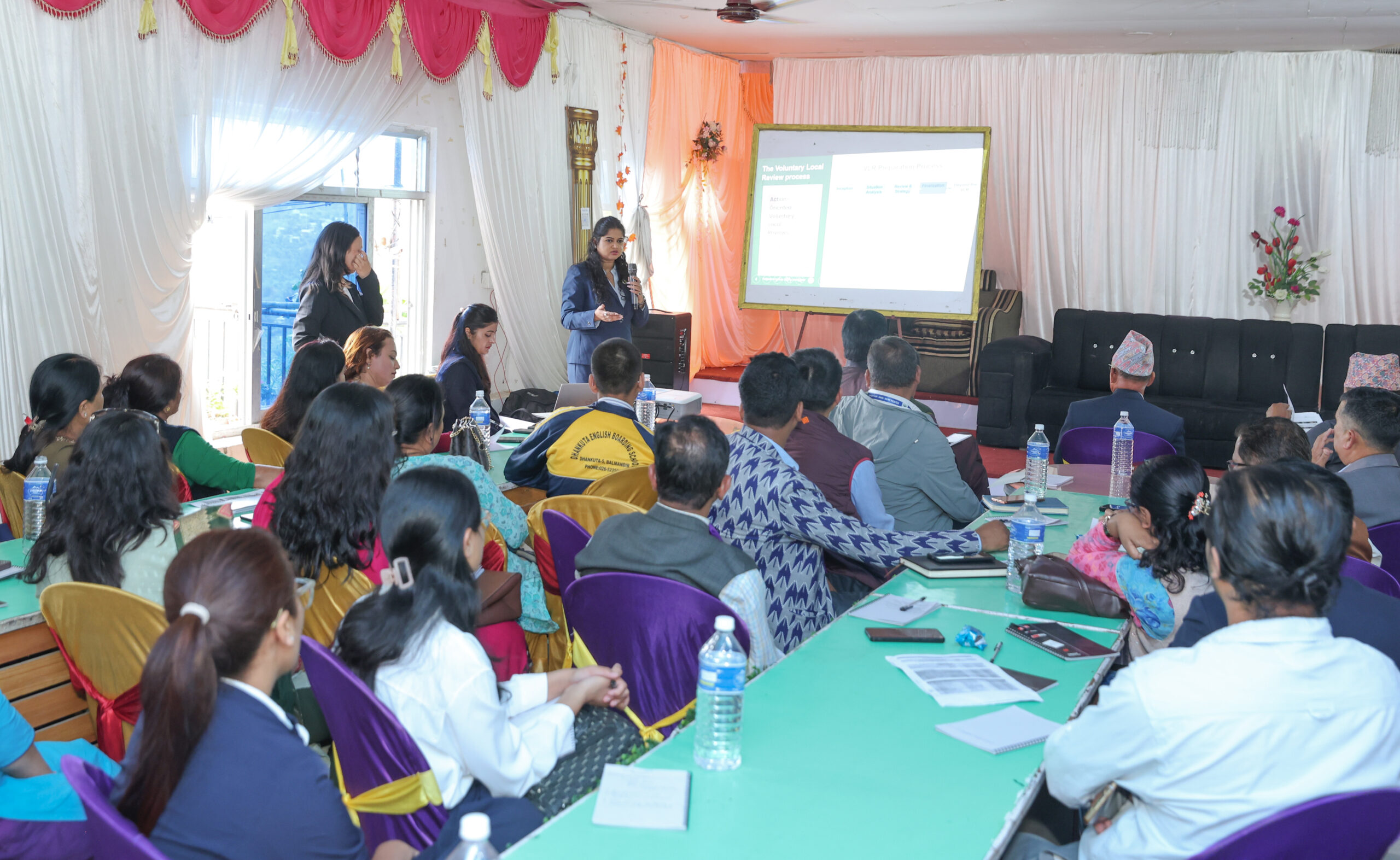
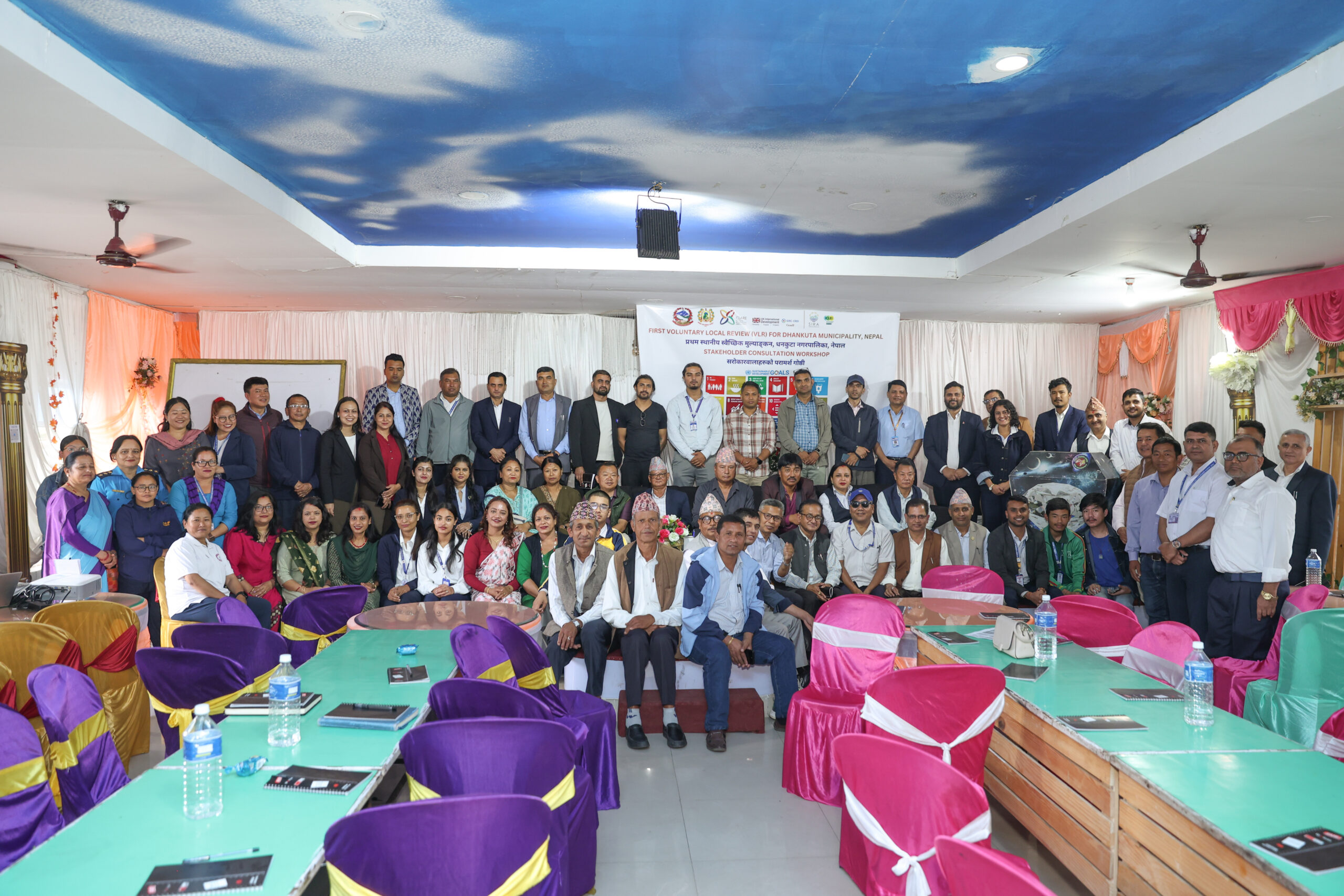
On 27 May 2026, the Dhankuta Municipality organised a stakeholder consultation workshop with technical support from ICLEI South Asia under the Enhancing Local Capacities in Socially Inclusive Resilience in Asia (SIRA) project. Led by ICLEI South Asia, in close coordination with Dhankuta Municipality, the VLR preparation process represents an important milestone in Dhankuta Municipality’s journey towards localising the 2030 Agenda. It focused on the municipality’s dedication to strengthen transparency, participation, accountability, and evidence-based decision-making while building a more prosperous, inclusive, safe, resilient, and sustainable future for all.
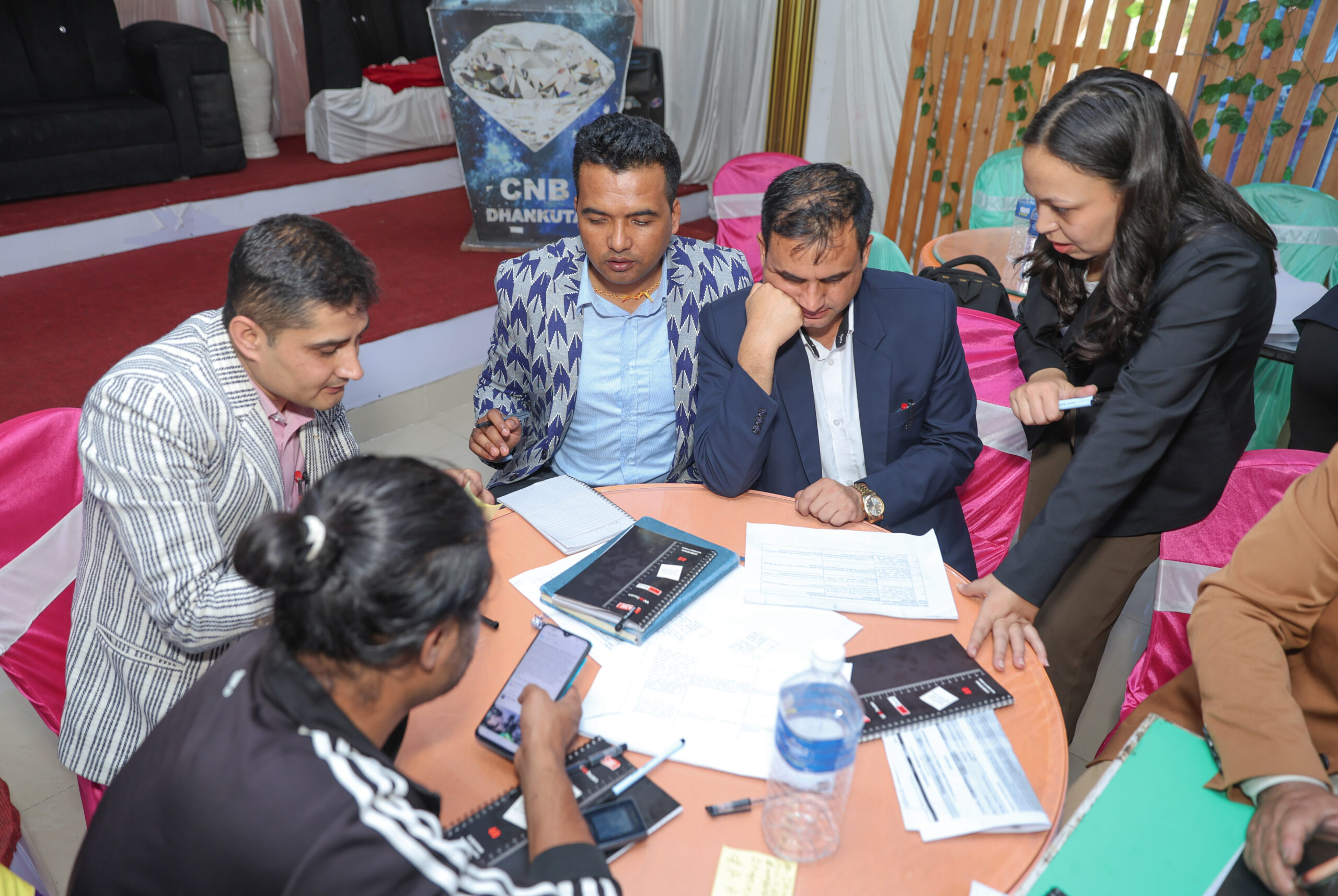
The workshop brought together 89 participants from municipal offices, government line agencies, experts, ward representatives, civil societies, academia and other stakeholders to assess progress on selected SDGs under the VLR, namely,No Poverty (SDG 1), Good Health and Well-being (SDG 3), Quality Education (SDG 4), and Gender Equality (SDG 5), to identify priorities, gather insights, build a shared vision, and outline prospects for SDG localisation.
Prior to the stakeholder consultation workshop, on 26 May 2026, the municipality also organised a Steering Committee and Taskforce meeting chaired by the Mayor Chintan Tamang to review the progress of the VLR preparation, discuss the status of the four priority SDGs, and identify data gaps. The importance of the VLR as a tool for tracking SDG progress, strengthening accountability, and supporting evidence-based planning and budgeting was discussed. It highlighted how VLR can help identify development challenges, align local priorities with national and global goals, and guide future action. The Steering Committee emphasised the need to strengthen data systems, inter-departmental coordination, and stakeholder participation, while also stressing that the municipality should prioritise the SDGs in its upcoming planning processes with allocation of adequate resources and budgets to achieve the desired results.
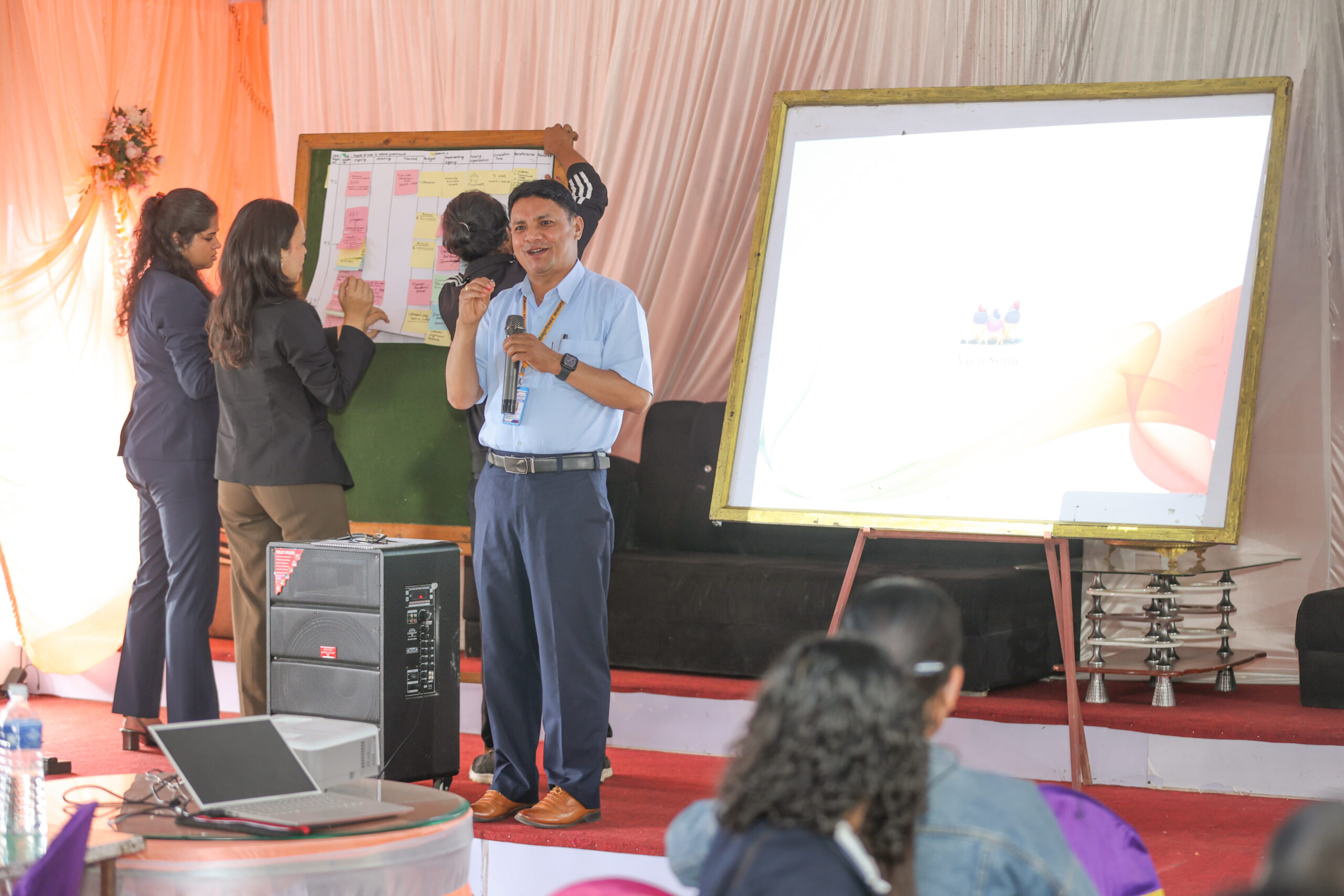
Addressing the opening session at the stakeholder consultation workshop, Sitaram Khanal, Planning, Administration, and Monitoring officer, emphasised the importance of VLR as a key mechanism for assessing progress on the SDGs. He reaffirmed Dhankuta Municipality’s commitment to the four priority SDGs, and expressed confidence that all stakeholders would actively contribute data and information from their respective sectors to support a comprehensive and inclusive VLR process. During the session, municipal leadership, including Mayor Chintan Tamang and Deputy Mayor Bhima Devi Khanal, reiterated the municipality’s commitment to localising and achieving the SDGs through the VLR process.
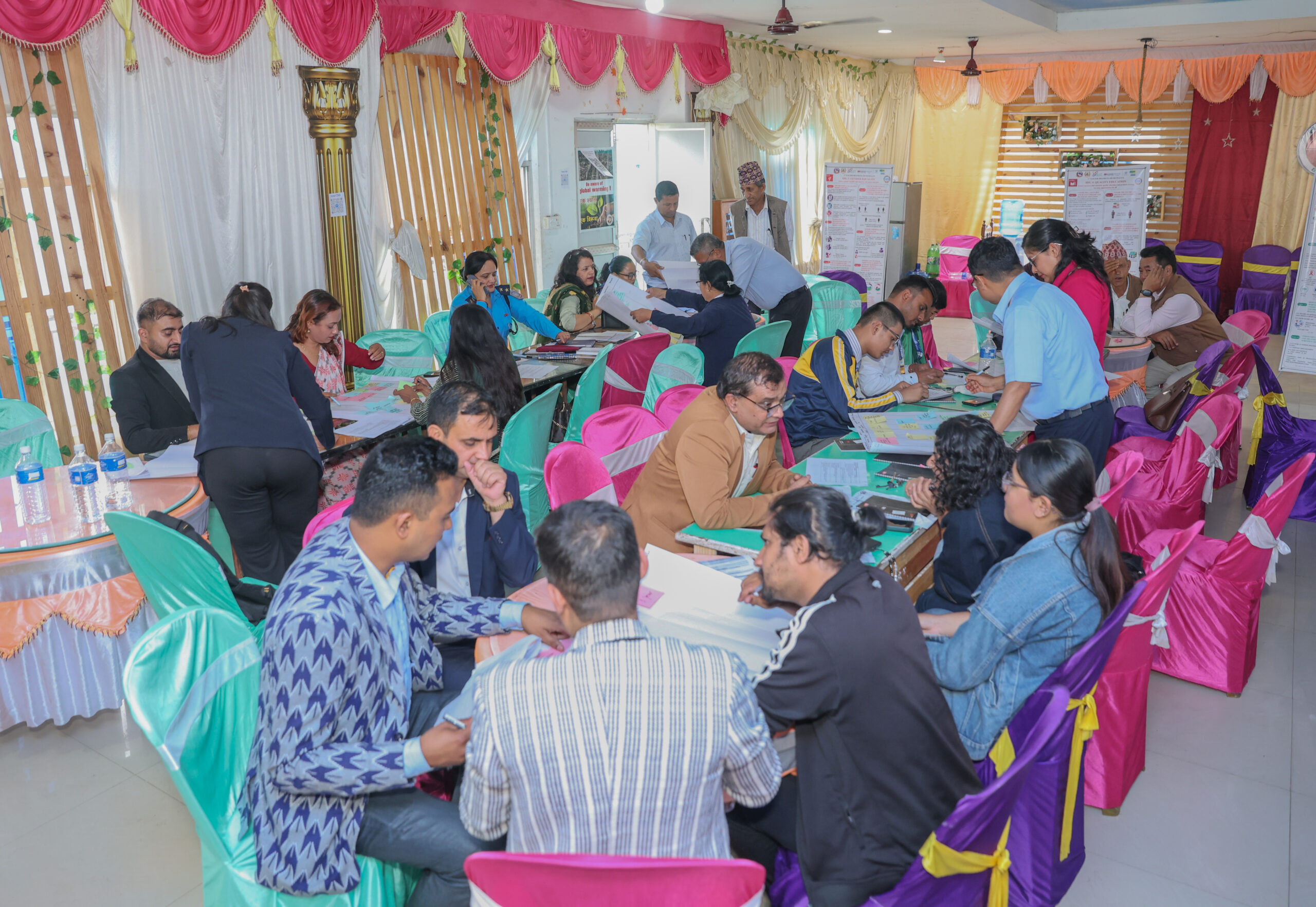
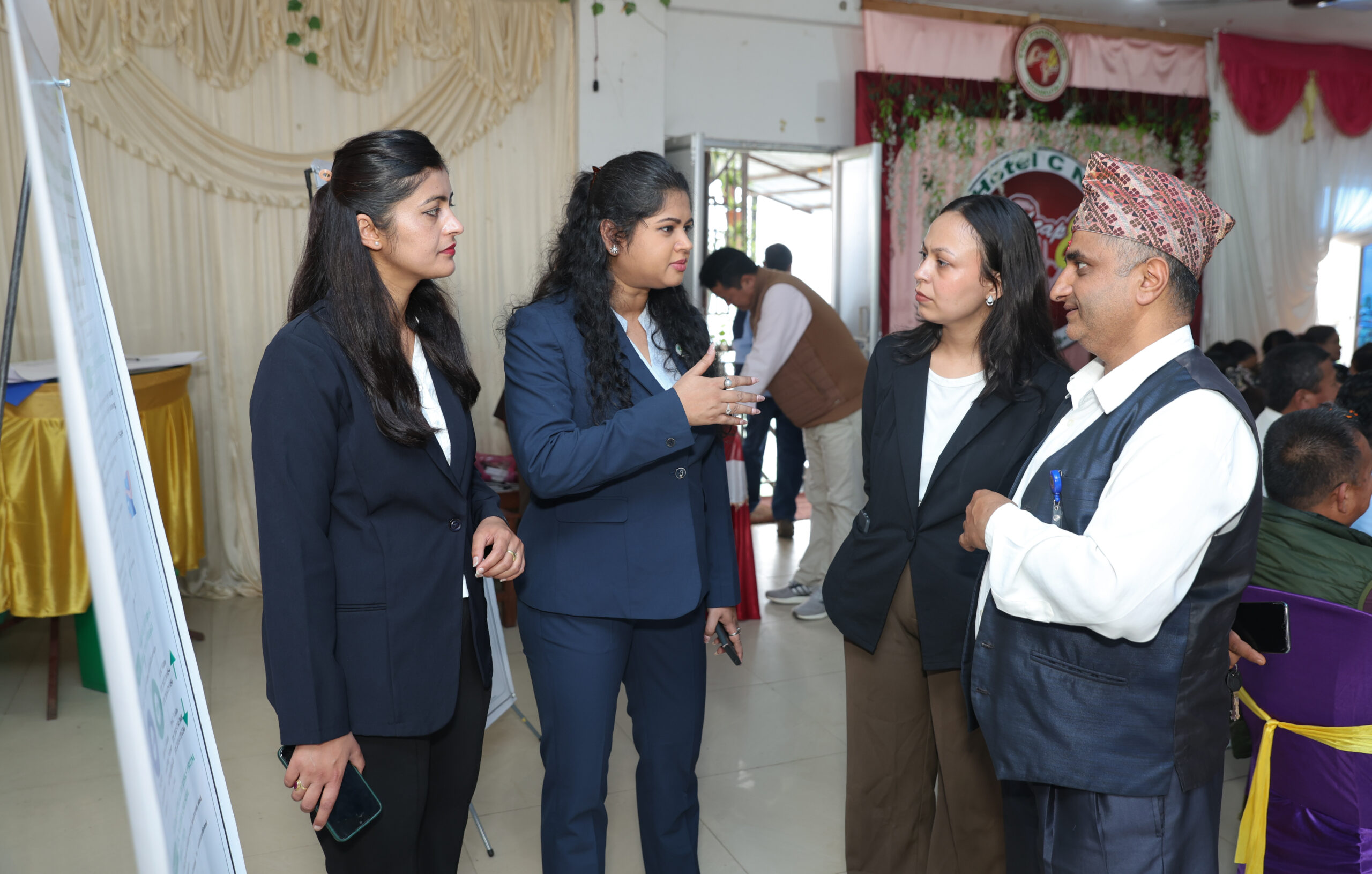
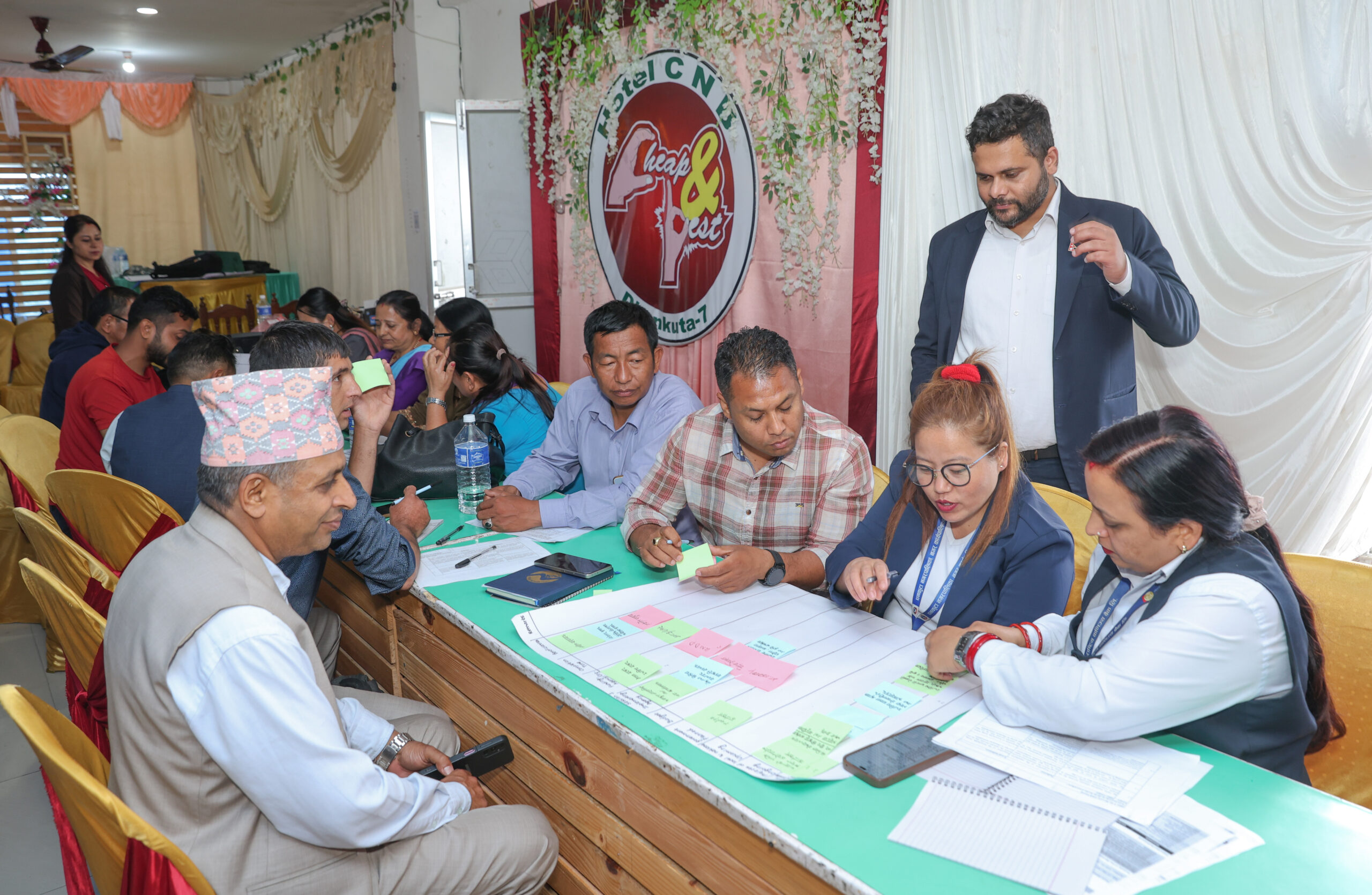
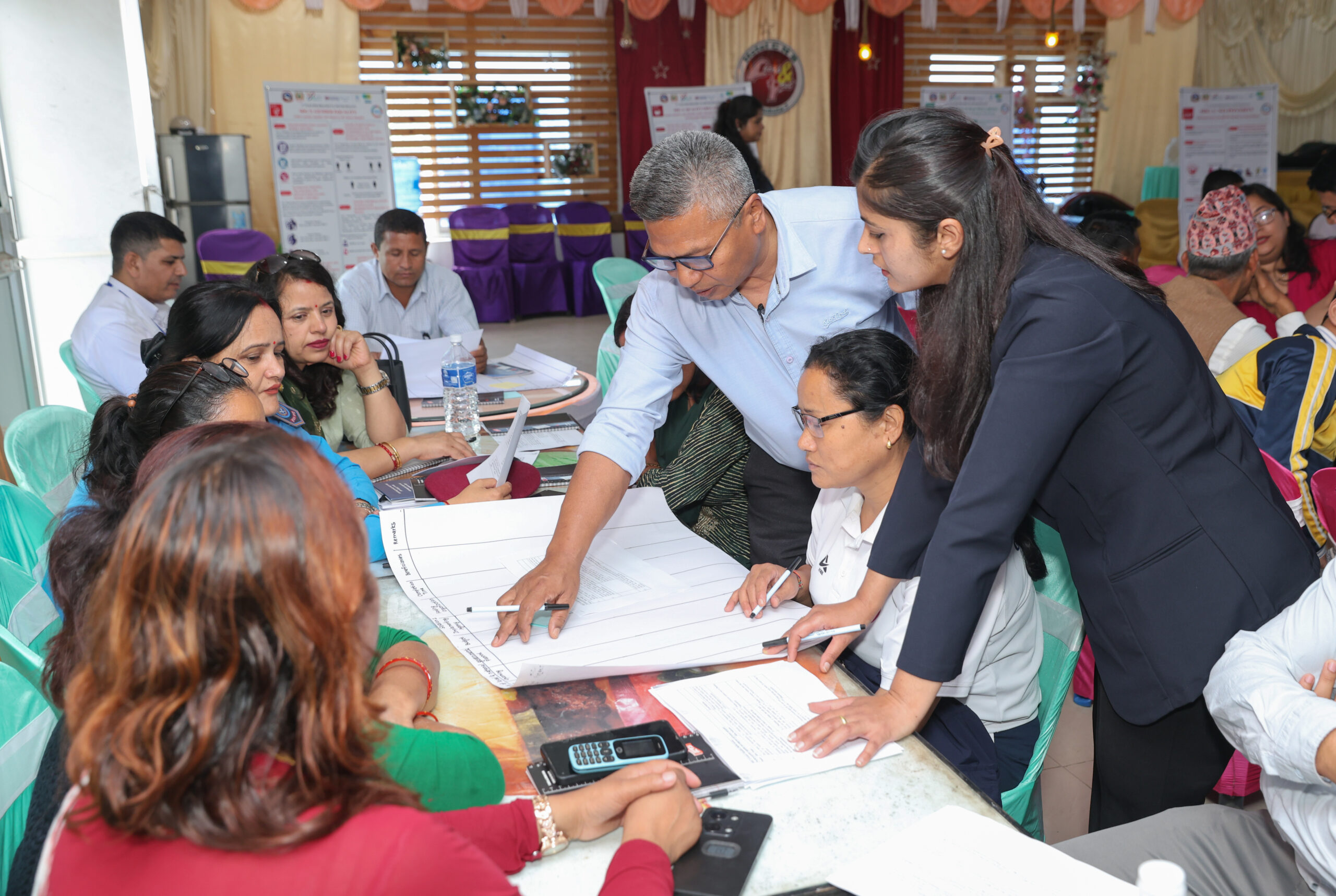
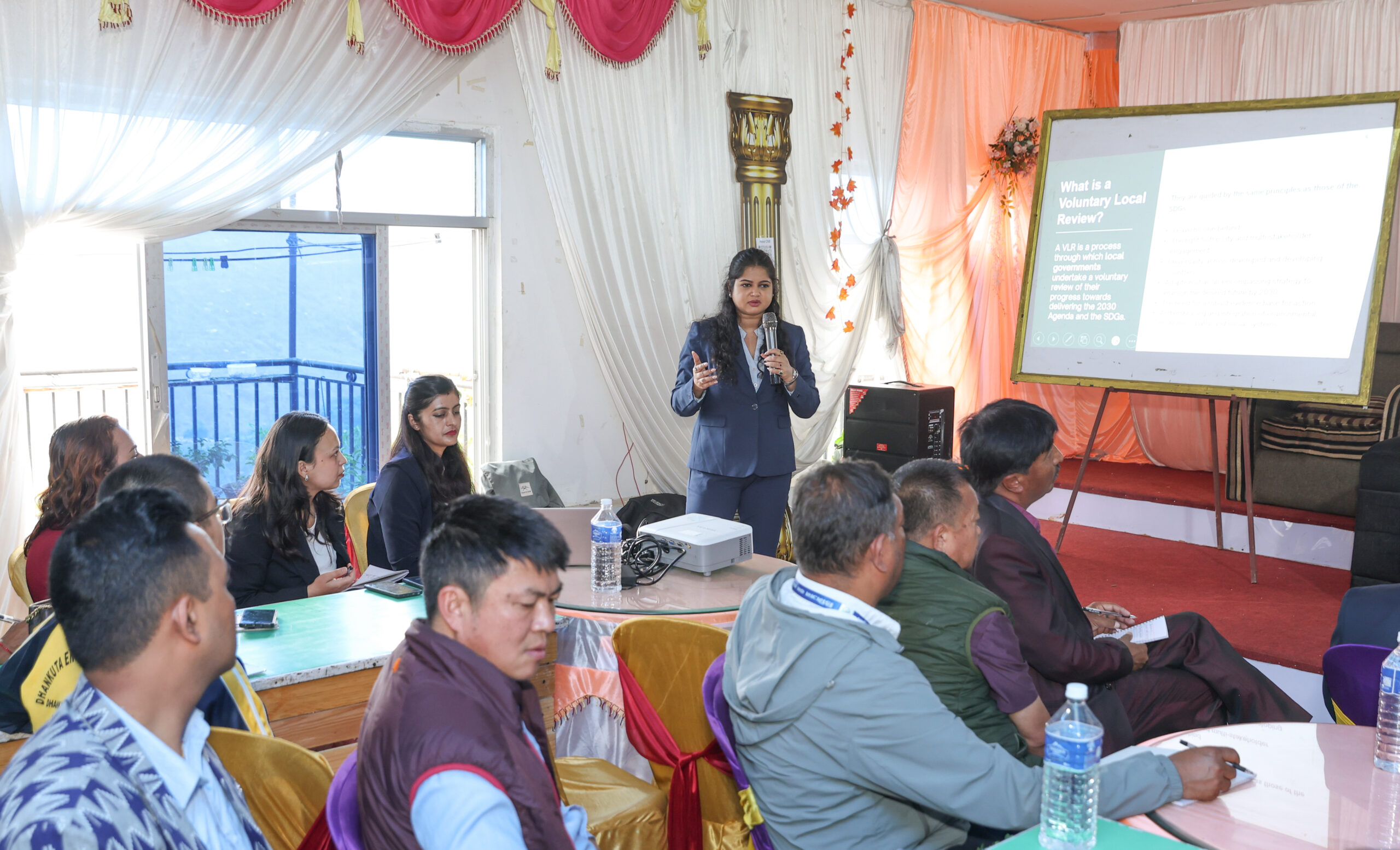
Satarupa Roy, Senior Project Officer at ICLEI South Asia, outlined the VLR’s objectives, methodology, importance of VLR at the local level, and timeline. The team guided the participants in mapping ongoing projects and programmes aligned with the SDGs, form the VLR vision in consensus, identify key challenges and discuss concrete actions.
Participants reviewed the completed, ongoing and planned initiatives, and identified aspirations and challenges for achieving the 2030 VLR vision. Discussions highlighted the need for stronger livelihoods, healthcare access and awareness programmes, quality education, practical learning opportunities, women’s empowerment, and GESI implementation. Stakeholders emphasised the importance of supporting local economic opportunities, agriculture, and small enterprises, as well as the active participation of communities, civil society, and the private sector to accelerate progress towards sustainable development in the municipality. They also outlined priority actions, proposed practical recommendations, and reaffirmed that achieving the SDGs requires collective action and shared responsibility.
The workshop concluded with a commitment to prepare a draft VLR report incorporating the insights and recommendations gathered from stakeholders throughout the consultation process, and to actively engage in its updation in the next year.
The VLR will serve as a tool for reflection, planning, and action, helping the municipality strengthen future planning and budgeting, gradually expand its focus from four priority SDGs to all 17 SDGs, and lay the foundation for a prosperous, inclusive, safe, and sustainable Dhankuta.