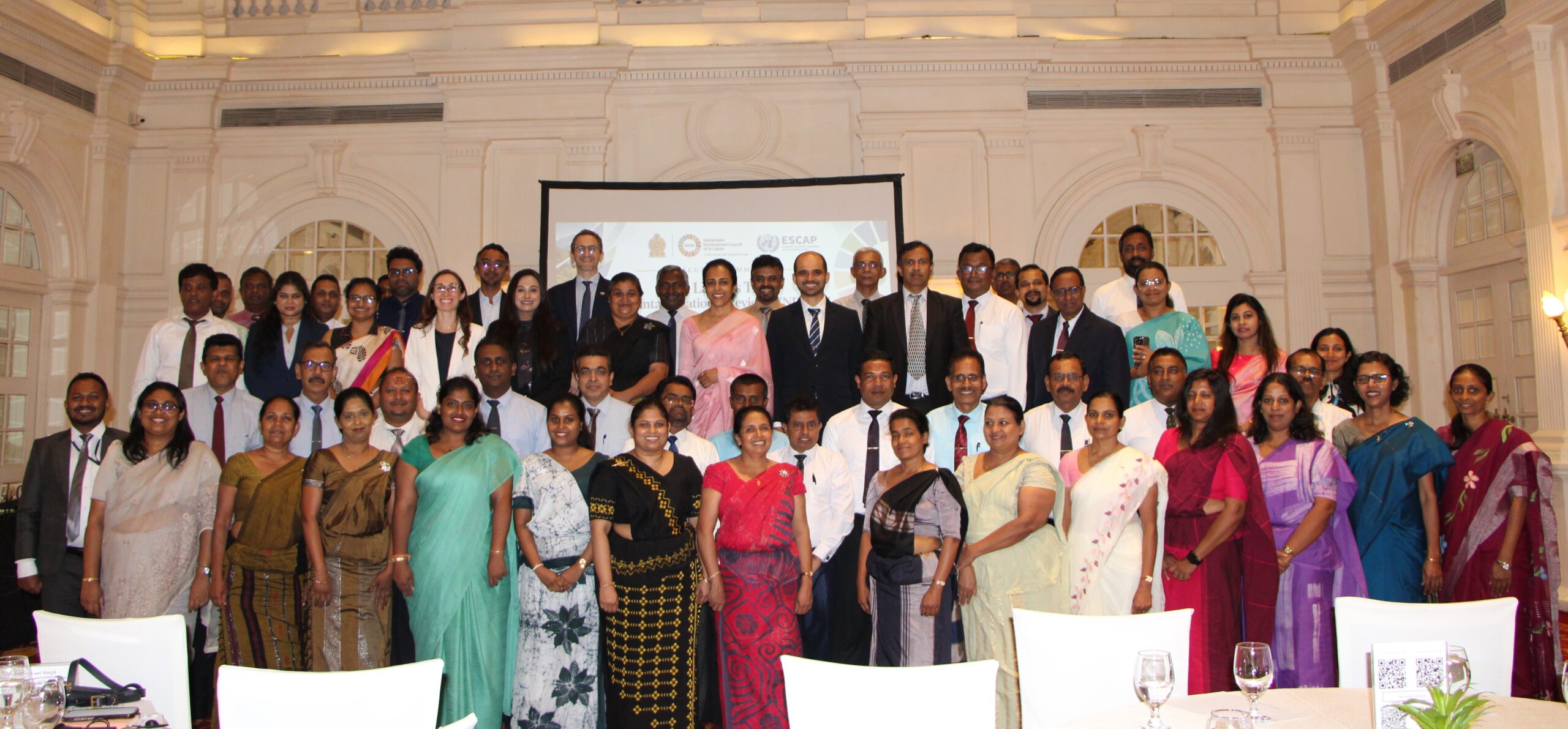
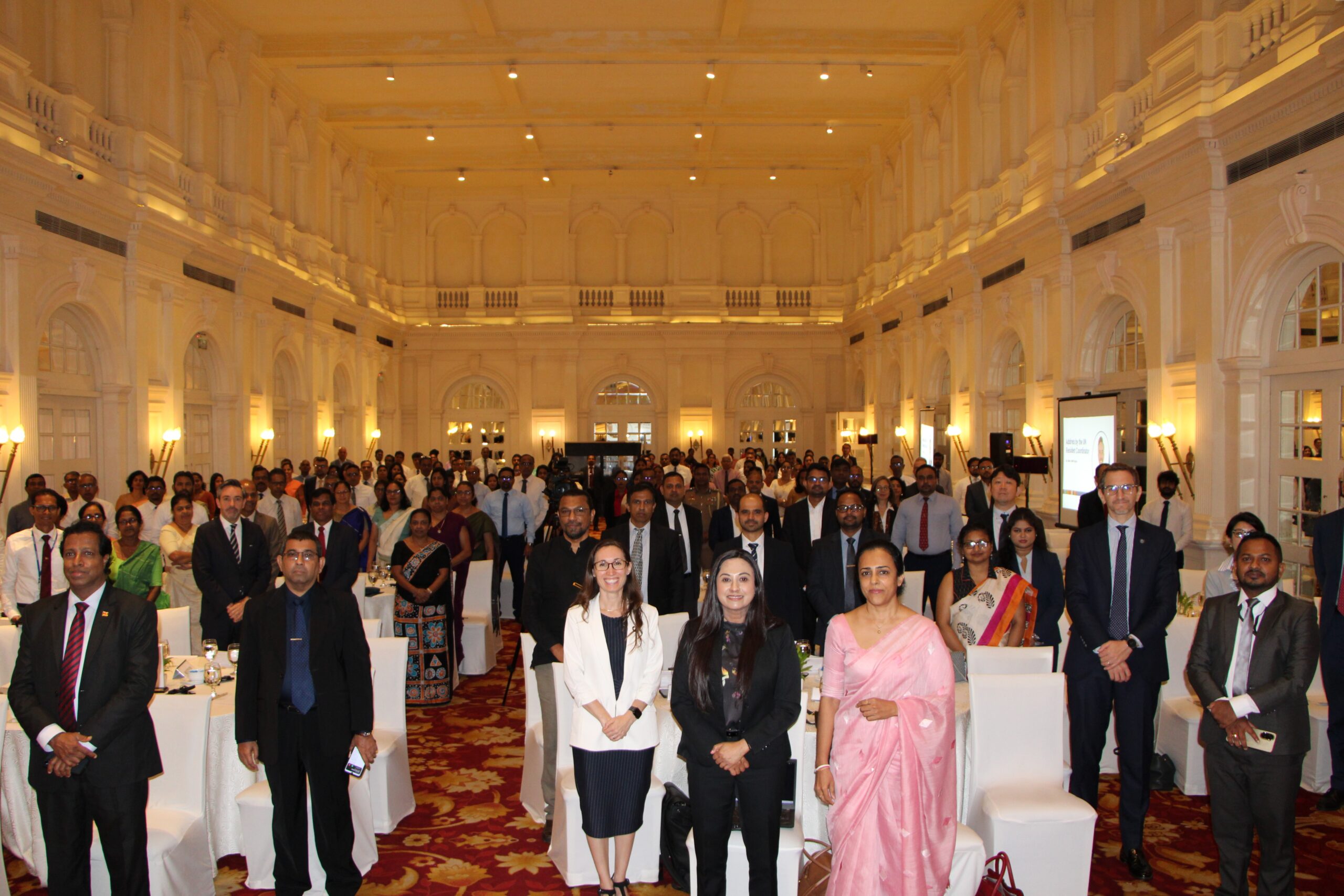
The Sustainable Development Council of Sri Lanka (SDC) and the United Nations Economic and Social Commission for Asia and the Pacific (ESCAP) convened a national workshop in Colombo, on 8 and 9 September 2026, bringing together representatives from all nine provinces of Sri Lanka for a training on Voluntary Subnational Review (VSR) methodology and urban resilience. ICLEI South Asia delivered the technical training, represented by Ms Bedoshruti Sadhukhan, Associate Director, ICLEI South Asia, and Ms Satarupa Roy, Senior Project Officer, ICLEI South Asia.
The workshop forms a part of Sri Lanka’s preparation for its Third Voluntary National Review (VNR) as the country seeks to strengthen the inclusion of regional priorities and subnational perspectives within its national SDG reporting. To this end, the SDC is rolling out VSR capacity-building for representatives from all nine provinces, while piloting the full VSR process in Uva Province, where ICLEI South Asia is providing technical assistance to support the province in preparing its review. Lessons and evidence generated through the Uva pilot are expected to directly inform the country’s other provinces as they take up their own VSRs in the future, and excerpts from the Uva VSR are planned for inclusion in Sri Lanka’s Third VNR, embedding subnational evidence directly within the national report.
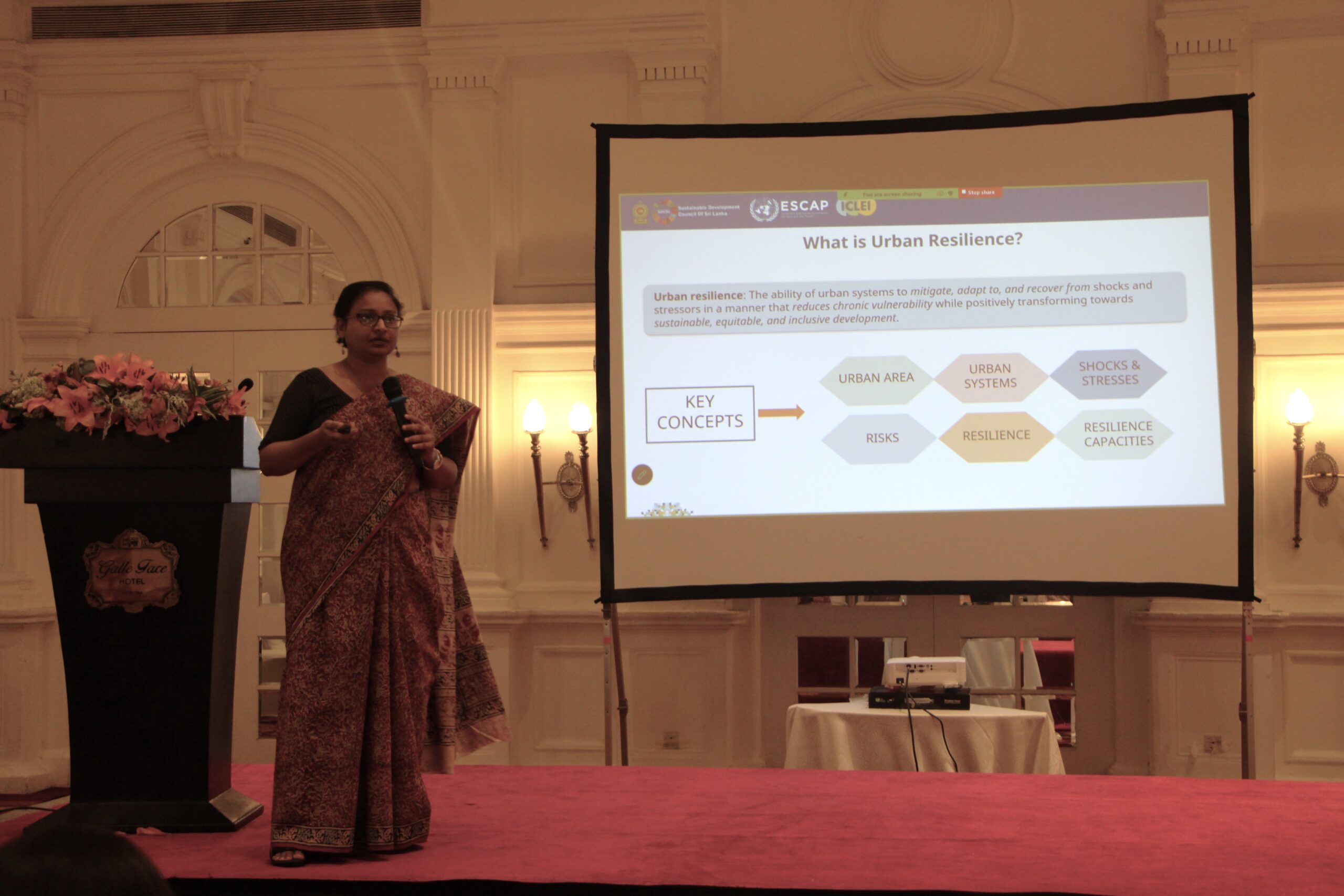
Introducing ICLEI’s role, Ms. Sadhukhan explained ICLEI South Asia’s direct experience preparing Voluntary Local Reviews (VLRs), including for Malé City, Maldives and for Dhulikhel, Nepal, as well as ongoing work with smaller municipalities in Bangladesh, to ground the day’s training in practical, on-the-ground experience. She took participants from a basic introduction to the SDGs through the practical process of preparing a VSR, covering why localisation matters, the core principles of leaving no one behind, multi-stakeholder engagement and evidence-based planning, and the enabling conditions for a successful VSR. She reminded provinces that a VSR is not only a reporting process but also a planning and decision-support tool, and that VSRs and VLRs reinforce one another by aggregating local data upward while channelling national frameworks back down to municipalities with best practices from VSRs and VLRs from around the globe and Asia Pacific.
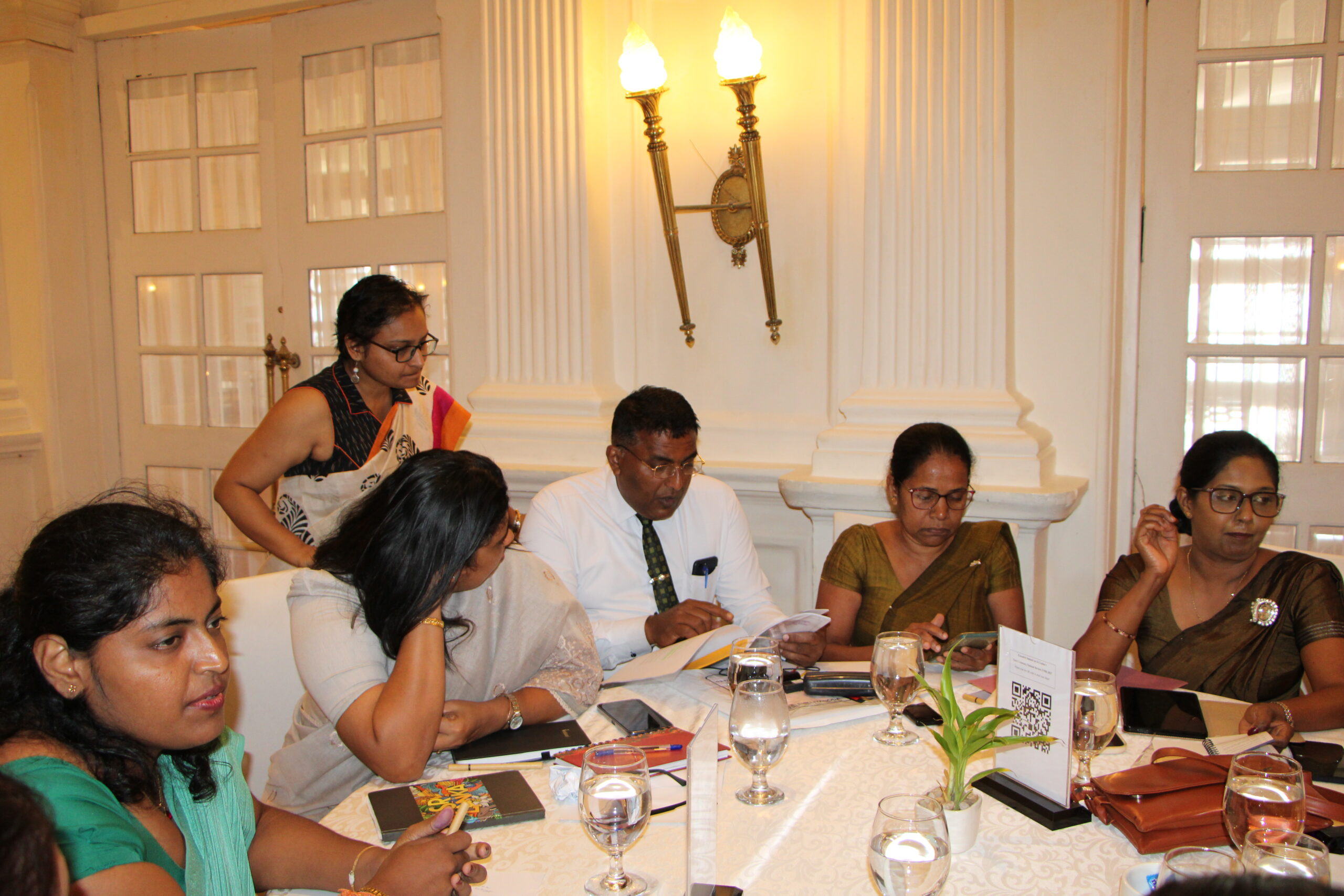
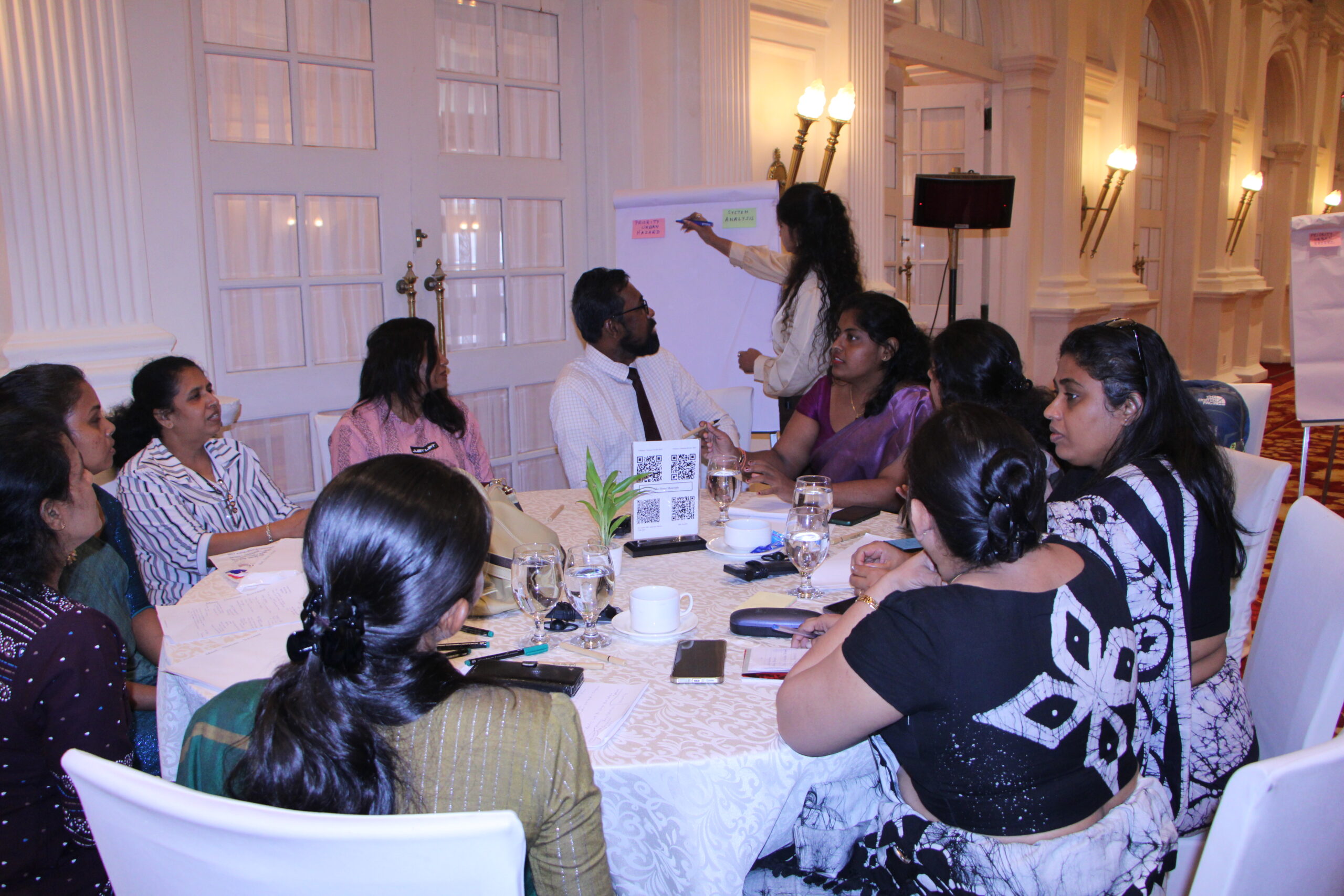
Ms. Roy led the group work with participants from all nine provinces, organising them into working tables to identify their priority SDGs, assess data availability and gaps, and surface implementation challenges. Participants were guided to record their province’s priorities and reasoning before nominating a representative to present their findings to the plenary. This was the first step in building each province’s evidence base for its own VSR. Discussions surfaced a rich diversity of provincial realities, where the Uva Province delegation selected No Poverty, Climate Action, and Clean Water and Sanitation as its priority goals, noting that 25% of the province’s population falls below the poverty line and that Uva is a highly climate-disaster-prone area, while other groups prioritised health, education, water and sanitation, and good governance, citing gaps in budget transparency and public participation. Recurring challenges across groups included communication and language barriers in communities, health service delivery, inconsistent data quality and accuracy between provincial and district-level records, and a shortage of human and financial resources for technical data analysis. Several groups also noted that skills-training programmes were not always aligned with local labour market demand.
On the second day, Ms. Sadhukhan explained the concepts of urban, social and economic resilience, introducing practical methodologies for hazard, exposure and vulnerability assessment and resilience indicator frameworks, with regional case studies. She, along with Ms Roy, guided the provincial groups through a co-creation exercise to identify priority hazards, impacts faced and key solutions. The discussion mapped the diversity of climate hazards faced in Sri Lankan provinces, from floods and tsunami impacts in the east to droughts, uneven rainfall, soil erosion and hill-country landslides, underscoring how hazard exposure varies significantly even within a single country. Provinces also presented their priority hazards and impacts, where the North-Western Province cited drought affecting agriculture and reducing school attendance through disrupted access to drinking water and sanitation. The combined group representing Central, Sabaragamuwa, Southern, Northern and Eastern Provinces highlighted floods and landslides impacting transport infrastructure and a common threat to the country’s most important agricultural regions, proposing improved land-use planning as a key adaptation solution. The discussion also surfaced social dimensions of resilience, with participants identifying children, women, and coastal fishing communities as among the most vulnerable groups.
Through this two-day technical workshop, ICLEI South Asia provided the methodological backbone that will carry Sri Lanka’s nine provinces, and Uva Province in particular, from workshop discussion into the practical preparation of the country’s first Voluntary Subnational Review, directly informing Sri Lanka’s preparation of its Third VNR for presentation at the High-level Political Forum (HLPF) in 2027.