Kochi, a coastal city in Kerala, is shaped by its intricate relationship with water. Located within the Vembanad Ramsar wetland zone, the city has a unique ecological landscape. Water bodies cover approximately 22.6 per cent of its geographical area. This makes its canals, wetlands and green spaces important ecological assets, integral to the city’s identity, livelihoods and resilience.
Recognising the importance of protecting its natural heritage amid growing urban pressures, Kochi Municipal Corporation has been working towards placing biodiversity conservation at the centre of its urban development agenda. Under the leadership of Adv. V.K. Minimol, Hon’ble Mayor of Kochi and Member of ICLEI South Asia’s Regional Executive Committee (REXCom), the city is pursuing a more integrated approach that connects ecological restoration, urban planning, community participation and sustainable financing.
Building an evidence-based approach to urban biodiversity
A key milestone in Kochi’s biodiversity journey has been the development of its Local Biodiversity Strategy and Action Plan (LBSAP) in 2020. Among Indian cities, it was the first scientifically informed and participatory LBSAP, providing a framework to identify local biodiversity priorities and translate them into actionable conservation measures.
The city has undertaken a City Biodiversity Index assessment, scoring 45 out of 72 and securing the distinction of being the first city in Kerala to undertake this assessment. The index provides an important baseline for understanding the city’s biodiversity status, assessing conservation efforts and identifying areas that require further attention.
These efforts build on more than two decades of collaboration between Kochi and ICLEI South Asia, reflecting the importance of sustained institutional partnerships, scientific knowledge and local government leadership in advancing urban biodiversity.
Restoring waterways and bringing nature back into neighbourhoods
For a city where water is a defining feature, restoring urban waterways is central to Kochi’s ecological priorities. The city is undertaking restoration initiatives across its canal networks, including the Thevara-Perandoor Canal under the United Nations Environment Programme’s (UNEP) Generation Restoration initiative and the restoration of Pandarachira Thodu.
These interventions focus on improving the ecological health of waterways through measures such as desilting, reviving tidal flows and introducing floating wetlands. Beyond physical restoration, community engagement is also an important part of the process. Initiatives such as ‘Know Your Canal’ seek to reconnect residents with their local water bodies, encourage greater awareness of their ecological significance and foster community participation in their upkeep.
Kochi is extending this nature-positive approach to its urban green spaces as well. The city is focusing on introducing indigenous plant species, strengthening urban forestry and revitalising 100 underutilised public spaces. These efforts seek to improve the availability and quality of green spaces while creating opportunities for residents to engage more closely with the city’s natural environment.
Integrating biodiversity into urban planning and financing
An important aspect of Kochi’s approach is its effort to move biodiversity conservation beyond standalone environmental projects and embed it within the city’s larger development framework.
Nature-based considerations are being integrated into the Kochi Master Plan through designated Water-Influenced Zones, recognising the relationship between the city’s built environment and its natural water systems. The municipal budget is also being used as an instrument to support environmental priorities, while the city is exploring a Green Bond to mobilise additional resources for sustainable urban development.
The Centre for Heritage, Environment and Development (c-hed), Kochi Municipal Corporation’s research, development and implementation wing, plays an important role in translating these priorities into projects on the ground. One example is the Subhash Bose Park initiative, supported through Corporate Social Responsibility (CSR) funding, which demonstrates how institutional partnerships can help strengthen and revitalise public spaces.
Taking Kochi’s nature-positive vision to the global stage
Kochi’s experience reflects a broader understanding that biodiversity conservation must be an integral part of how cities plan, grow and invest.
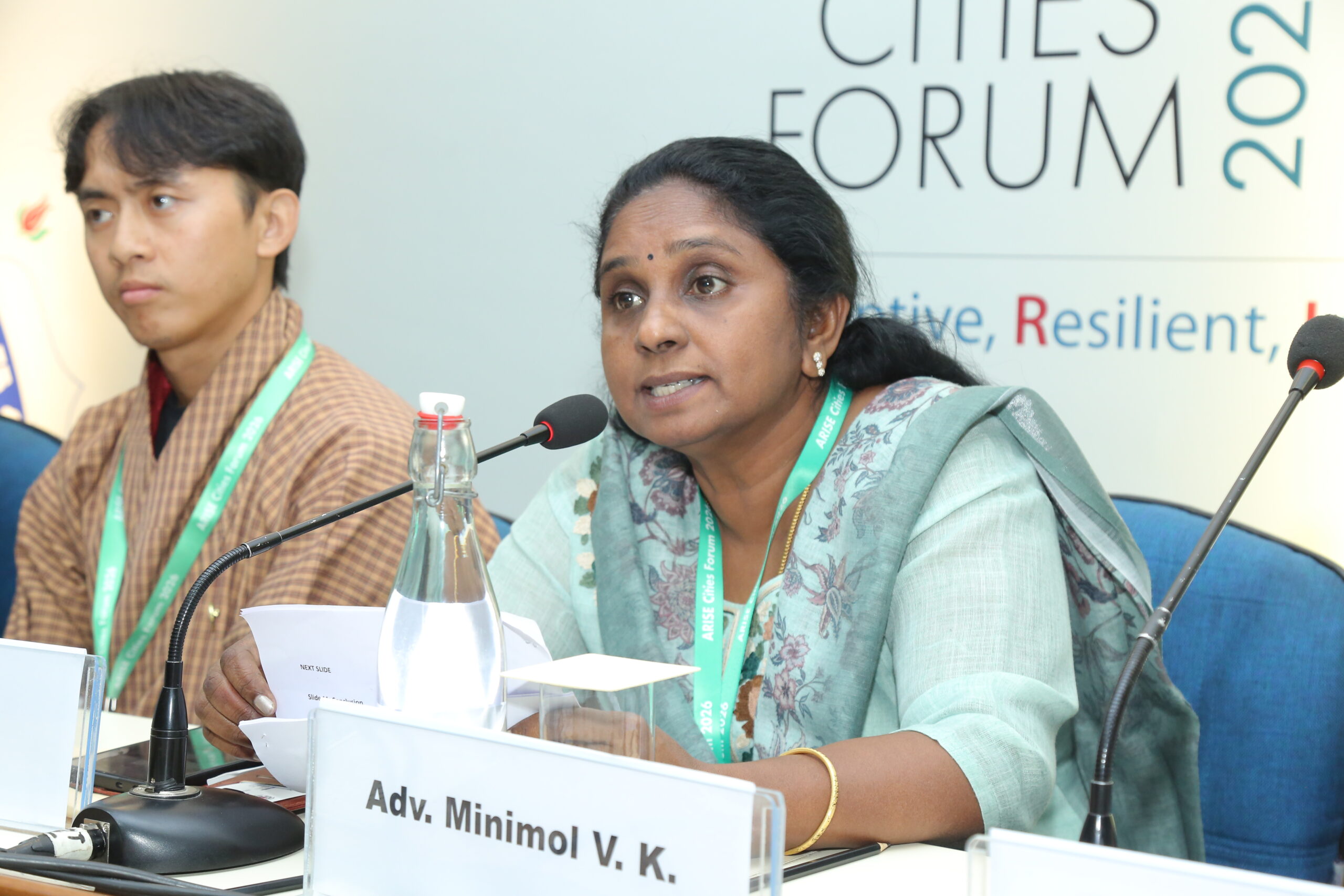
At the second edition of the ARISE Cities Forum 2026, held in New Delhi on 27–28 October, Mayor Adv. V.K. Minimol shared Kochi’s experience during the session ‘Nature-positive Cities: Delivering Global Biodiversity Goals’. Her participation highlighted the importance of local leadership and city-level action in advancing the global biodiversity agenda.
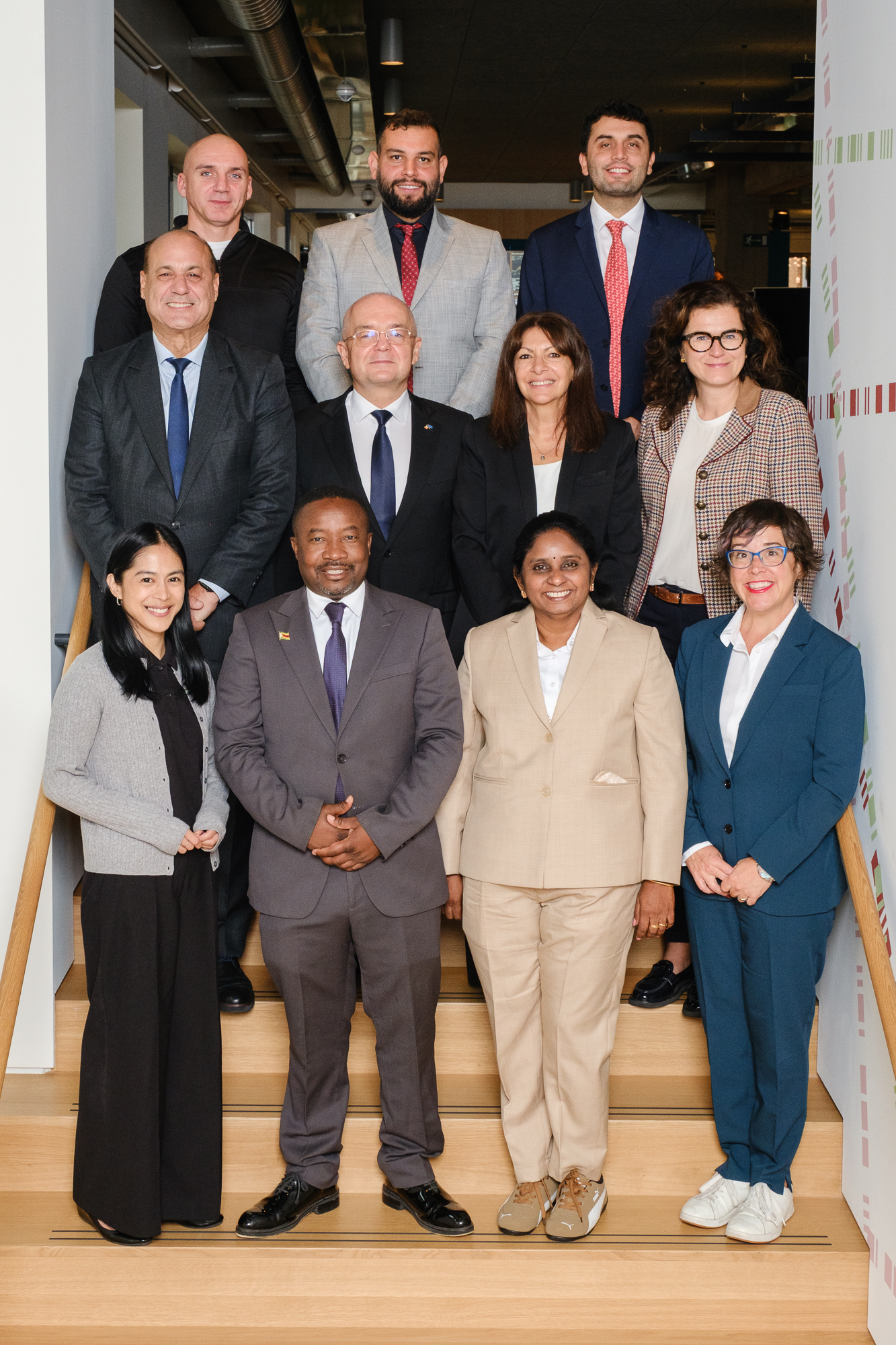
Her appointment to the Board of the Global Covenant of Mayors for Climate & Energy (GCoM) further recognises Kochi’s leadership and strengthens the representation of South Asian cities in global climate governance. As a Board Member, she will represent GCoM signatories in South Asia, helping bring the region’s priorities and perspectives into international climate discussions.
As the South Asia Regional Secretariat of GCoM, ICLEI South Asia looks forward to continuing its collaboration with Mayor Minimol and Kochi Municipal Corporation to advance climate-resilient urban development, sustainable mobility and inclusive, locally led climate action across the region.
With sustained leadership and institutional collaboration, Kochi is working towards a future where ecological health and urban development advance together.