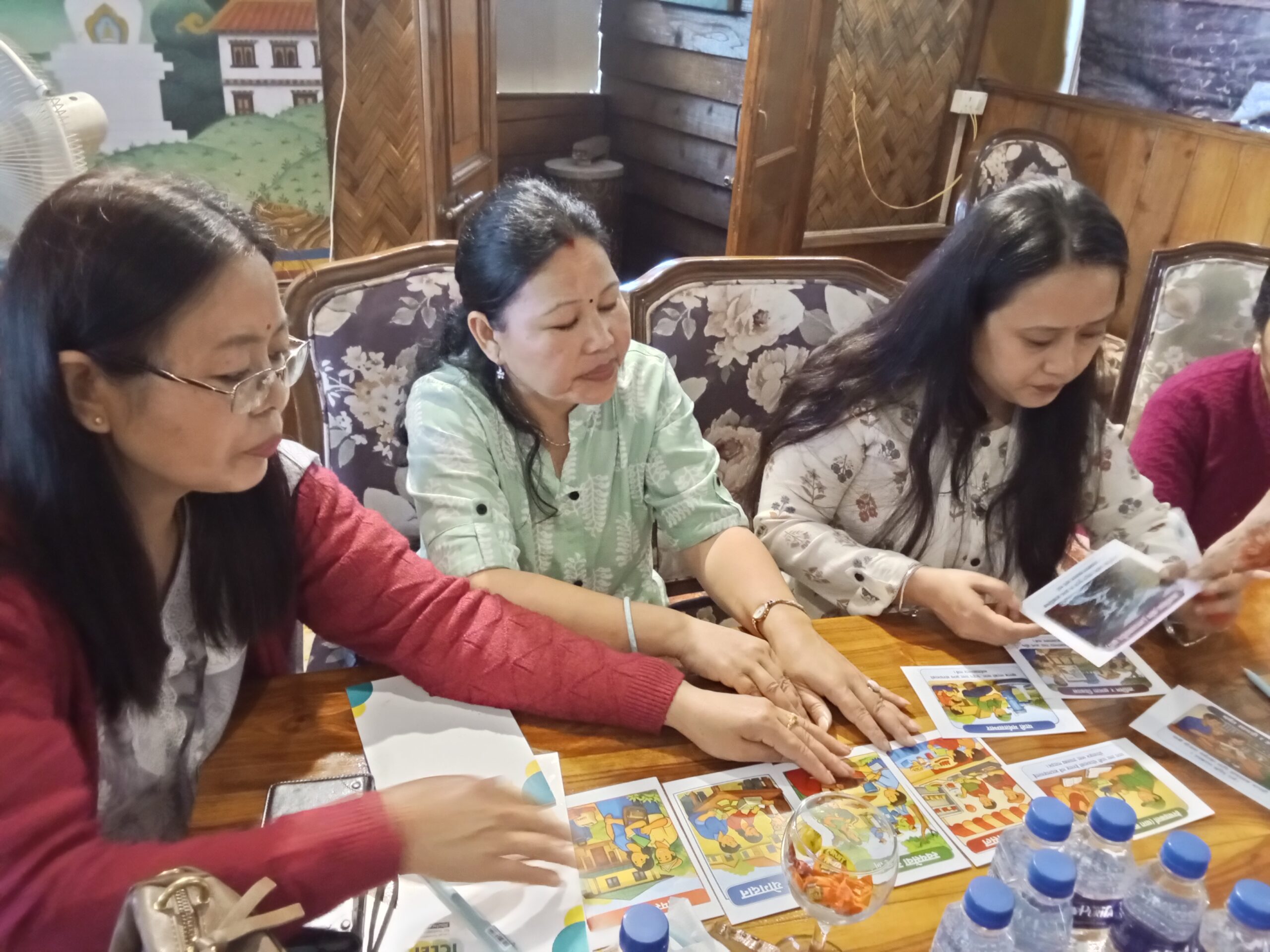
Continuing its efforts to strengthen community-led climate resilience in the Darjeeling Himalayas, ICLEI South Asia conducted a series of community training workshops on operationalising water committees, or Pani Samitis, across four project sites in Darjeeling district during May and June 2026. The trainings were organised under the Community-Led Action Plan for Climate Resilient Water Security in Darjeeling Himalayas project, supported by the Swiss Philanthropy Foundation in collaboration with the Gorkhaland Territorial Administration. The programme was co-funded by the Climate and Development Knowledge Network (CDKN) through its Knowledge to Action component.
The initiative seeks to strengthen community-led water governance by equipping local residents with the knowledge and skills required to manage water resources in a structured and sustainable manner. The trainings aimed to develop community members’ understanding of the roles and responsibilities of water committees, operation and maintenance of water systems, record keeping, financial management, monitoring of pilot interventions, and engagement with government institutions.
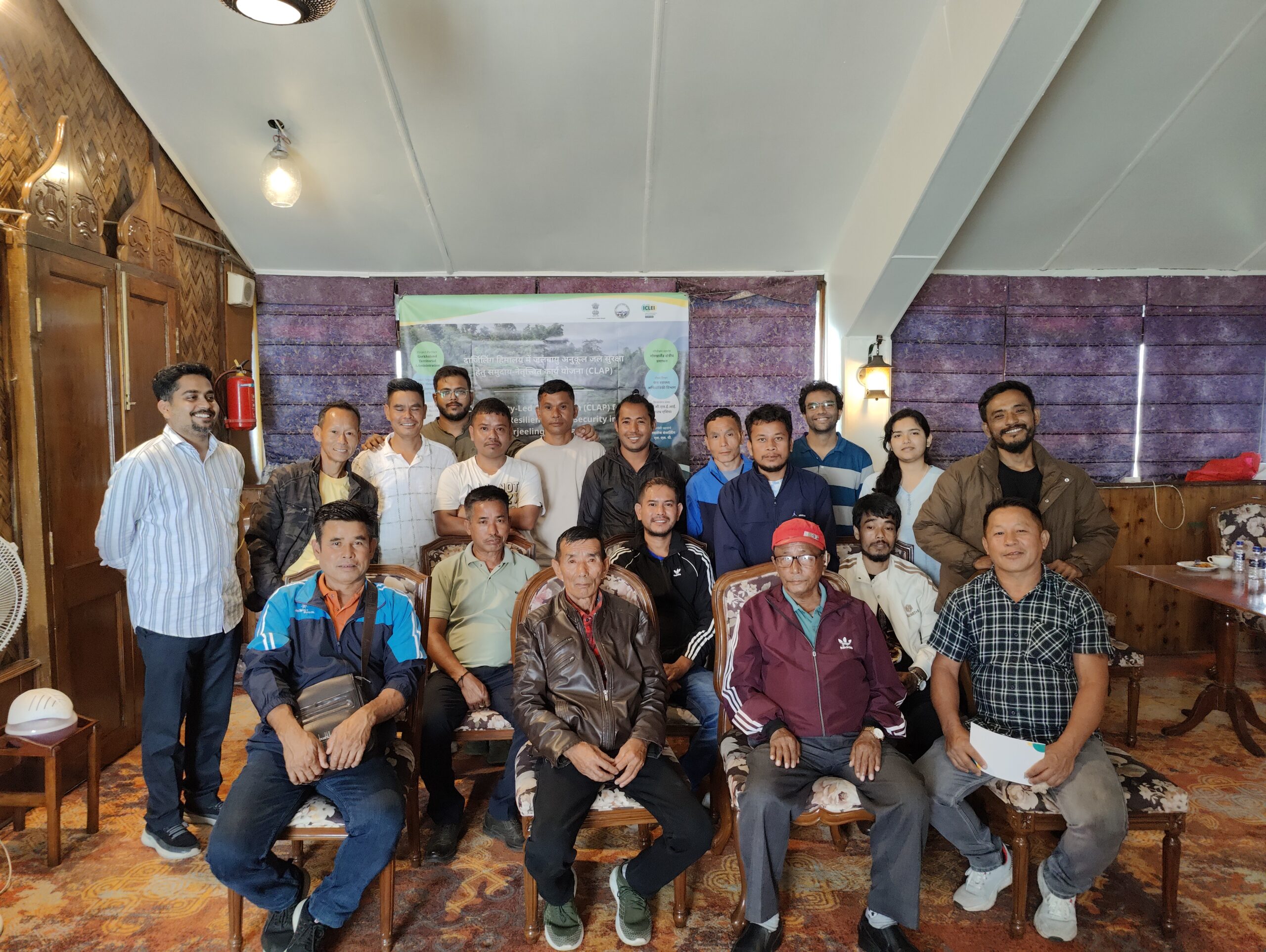
The workshops were conducted in Godamdhura (Gidda Pahar Tea Garden) and Kothidara (Rohini Tea Garden) in the Kurseong block during May 2026, followed by Bahidardhura (Dhajea Tea Garden) and Dara Gaon (Nagri Farm Tea Garden) in the Jorebunglow-Sukiapokhri block in June 2026. These communities are among the most water-stressed areas of the Darjeeling Himalayas, facing persistent challenges related to water availability, access, reliability, and storage. Around 40 participants, including 11 women and 29 men, attended the workshops.
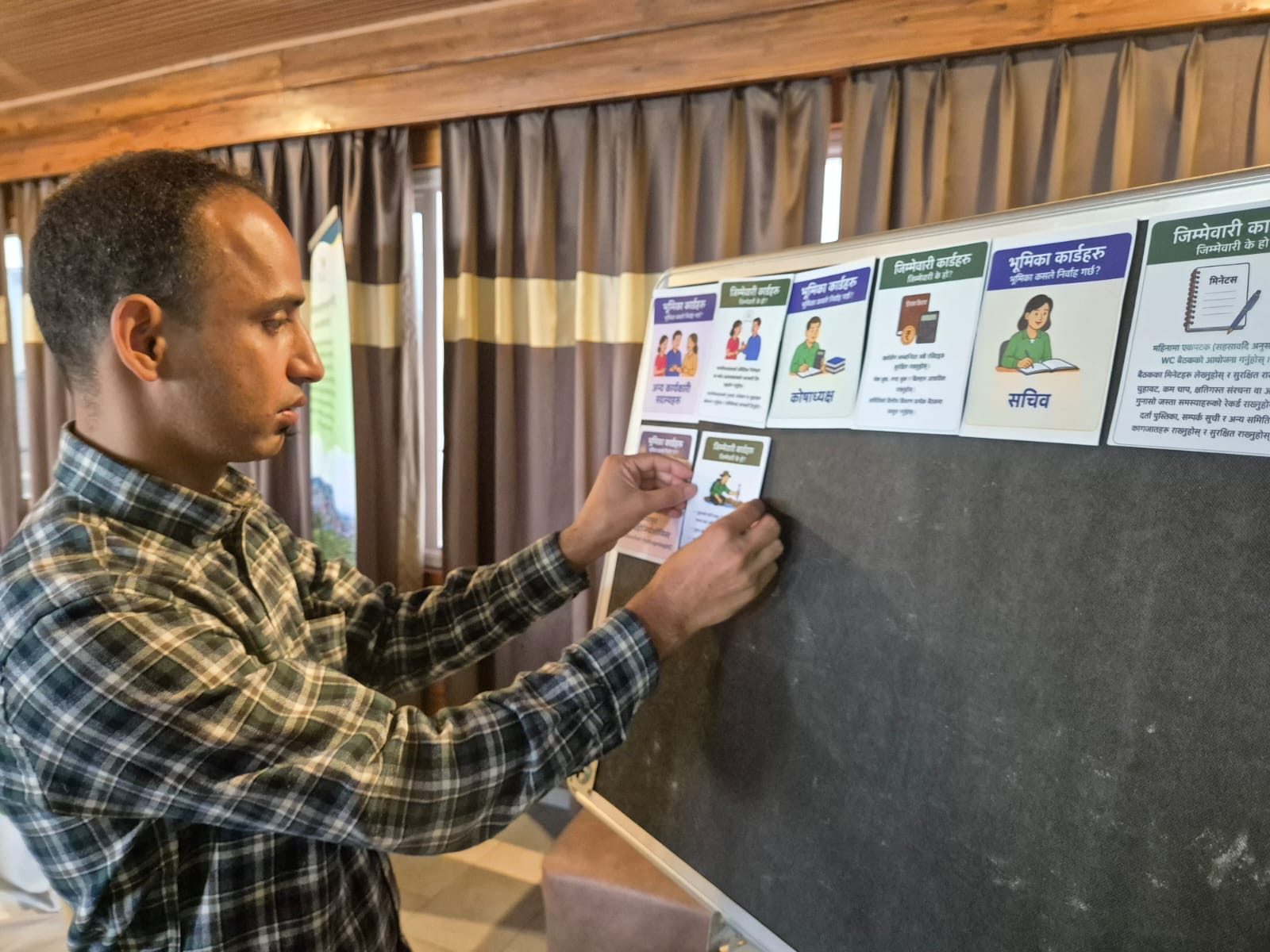
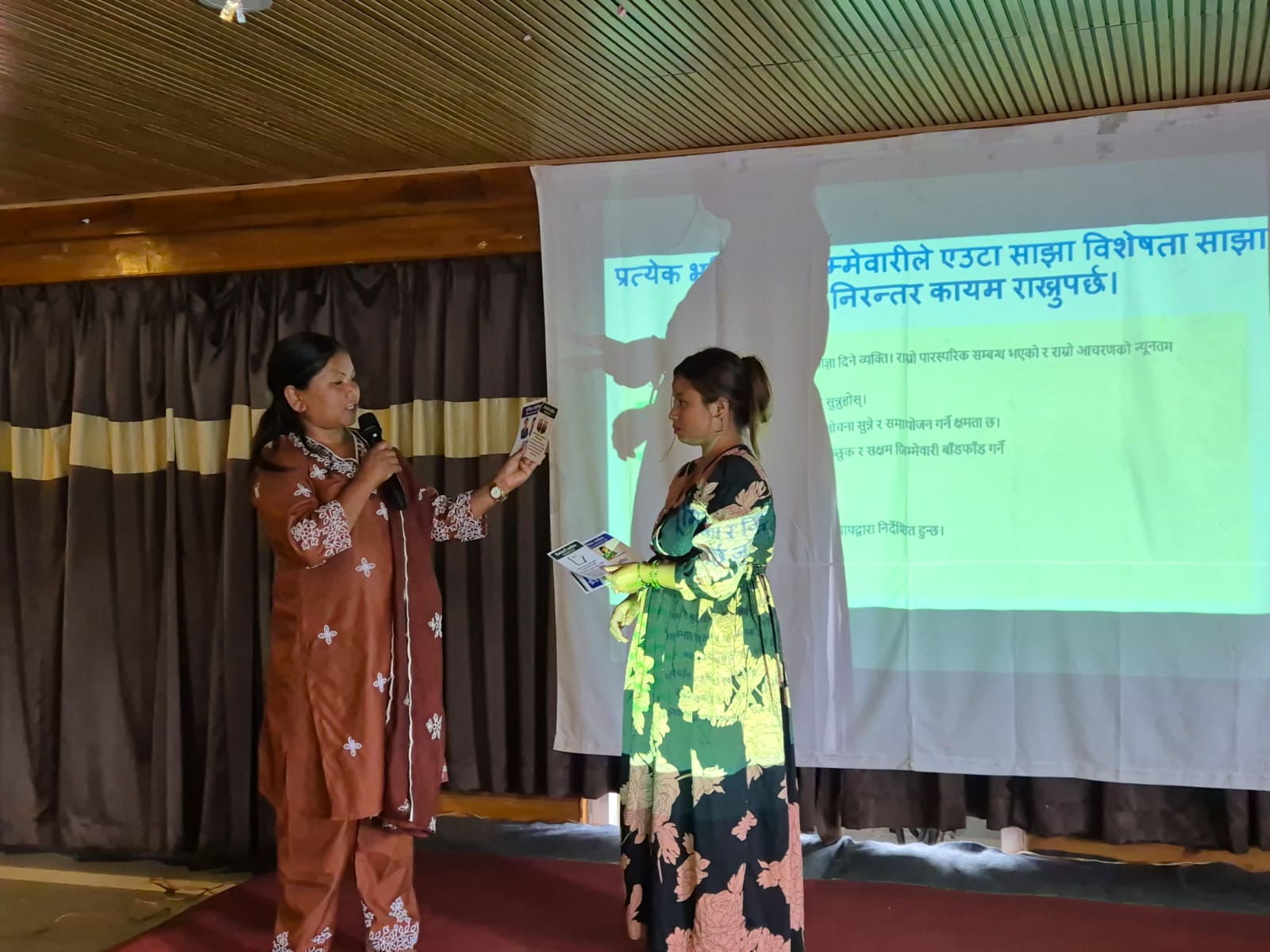
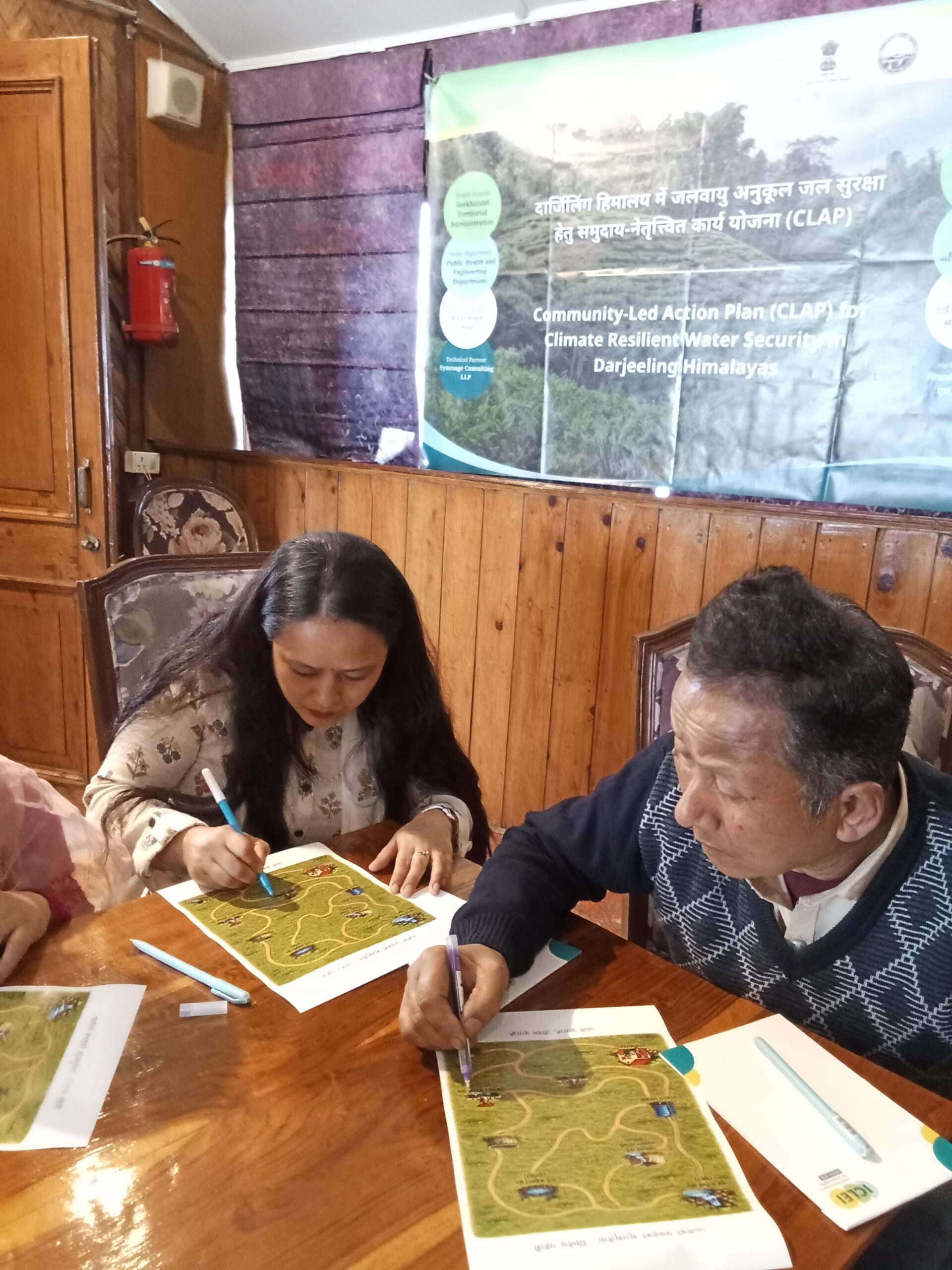
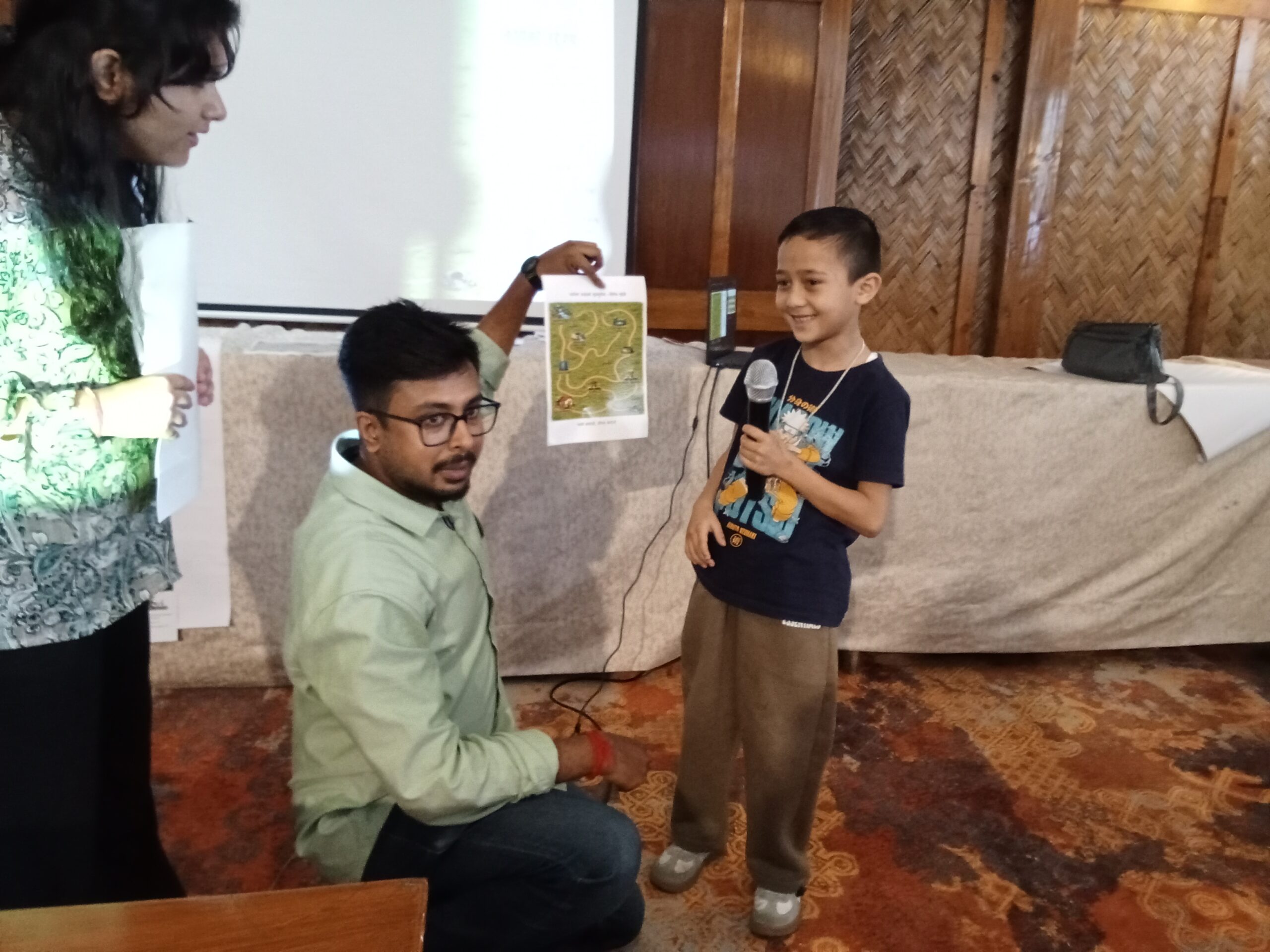
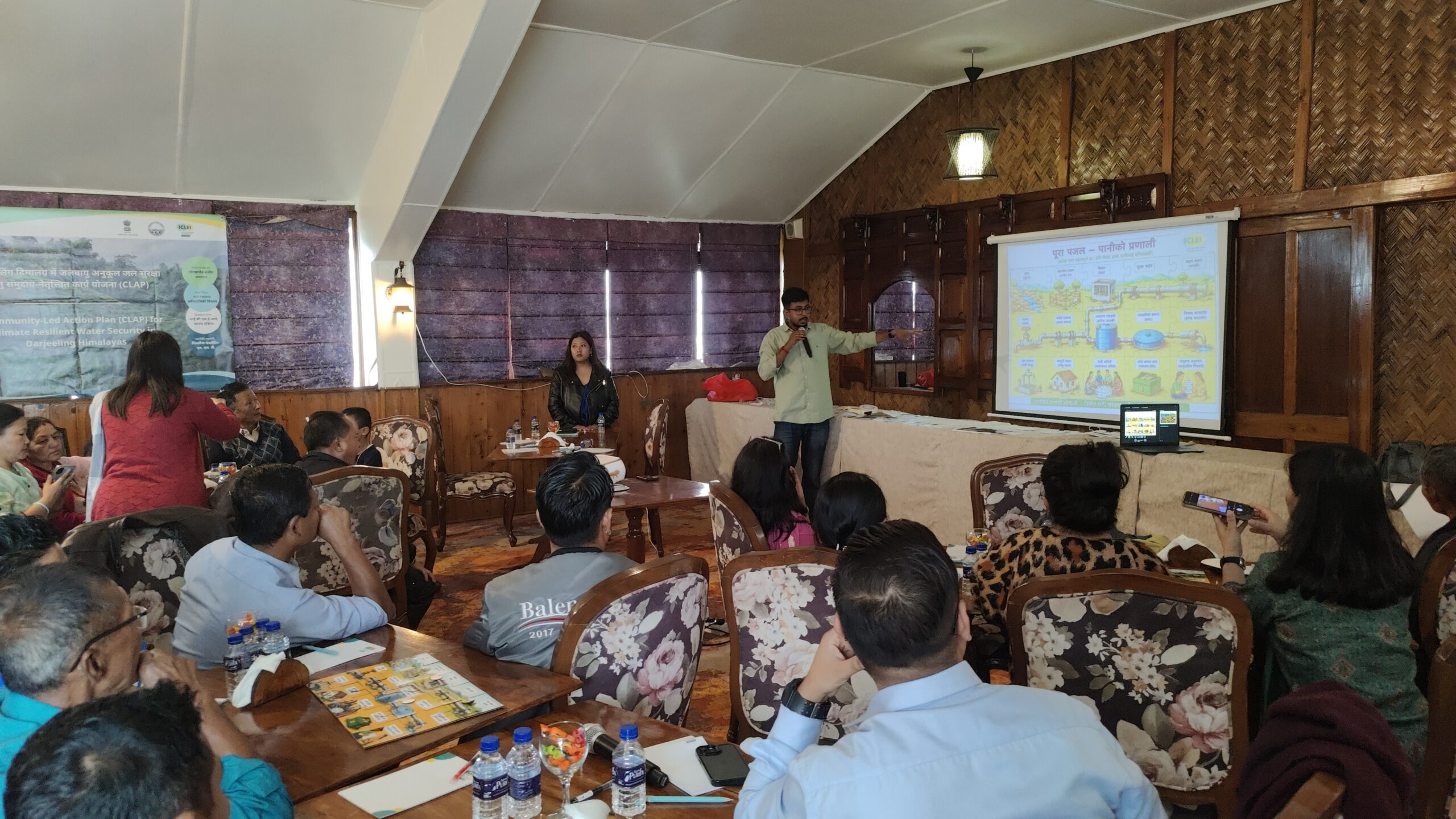
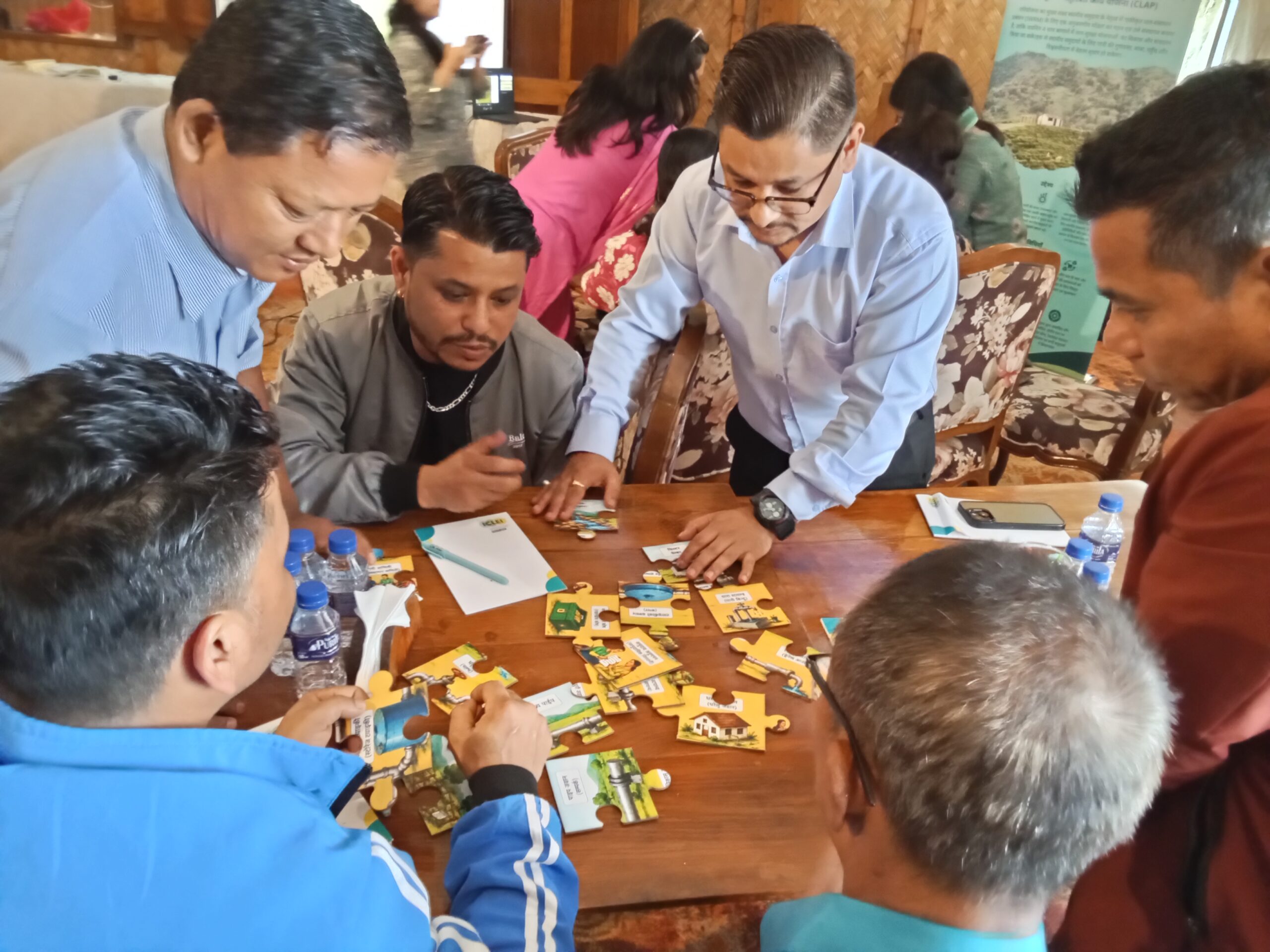
Each one-day training combined interactive presentations, group discussions, and practical exercises to encourage community participation. Participants were introduced to the purpose and objectives of Pani Samitis, with a strong emphasis on taking ownership and collective responsibility for managing water resources within their hamlets.
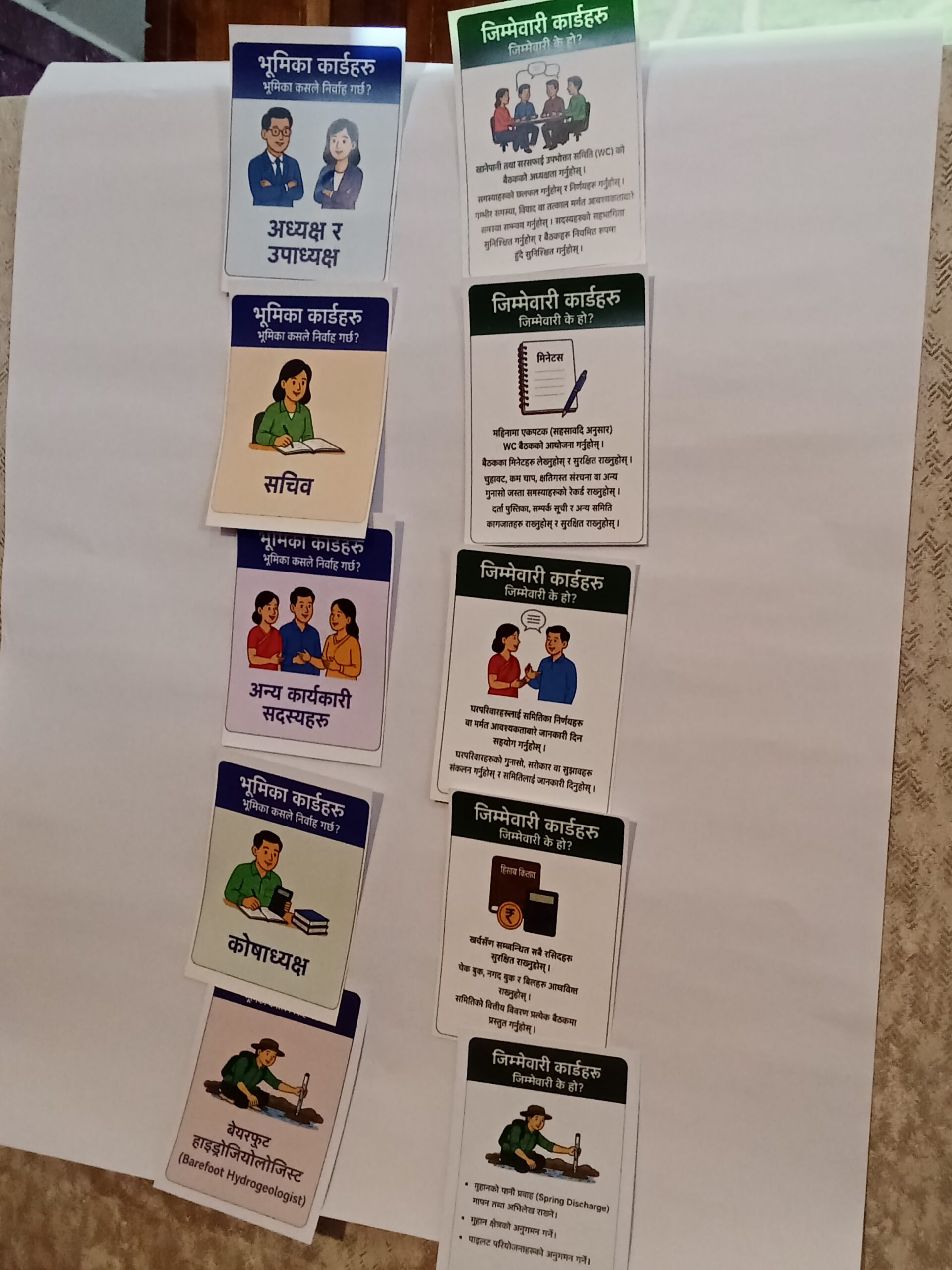
During the sessions, participants collectively identified the key roles and responsibilities of their respective water committees. They also explored financial management practices, including fundraising mechanisms, expenditure planning, household contributions, basic accounting, and maintaining transparency. Community members were encouraged to formally register their water committees and establish dedicated bank accounts to strengthen governance and accountability.
The workshops received positive feedback from participants, who appreciated the interactive format, practical content, and group-based learning approach. Pre- and post-training assessments showed noticeable improvements in participants’ understanding of water committee governance and operations.
As the project progresses, similar trainings will be organised for the remaining project sites in the Jorebunglow-Sukiapokhri block. The upcoming capacity-building workshops will focus on monitoring pilot interventions, further strengthening community-led efforts towards climate-resilient water security in the Darjeeling Himalayas.