Cities play a critical role in achieving national climate goals. Decisions on how cities grow, move, use energy, manage waste and water, develop infrastructure, and protect natural systems significantly influence the transition towards a low-carbon and climate-resilient future.
Malaysia is working towards meeting its long-term ambition of net-zero greenhouse gas emissions as early as 2050. Achieving this requires local climate action; understanding their emissions, climate risks and infrastructure challenges, Malaysian cities need to fast track identification and implementation. The aggregated impact of local action will translate into the achievement of national climate ambitions and development goals.
The Green City Action Plan (GCAP) initiative in Malaysia supports this transition. GCAPs provide cities with an integrated approach to assess their urban systems, greenhouse gas emissions and climate vulnerabilities, and translate the findings into prioritised actions and investment opportunities. These action plans provide a pathway for greener, more resilient and lower-carbon urban development towards 2050, while strengthening cities’ economic competitiveness.
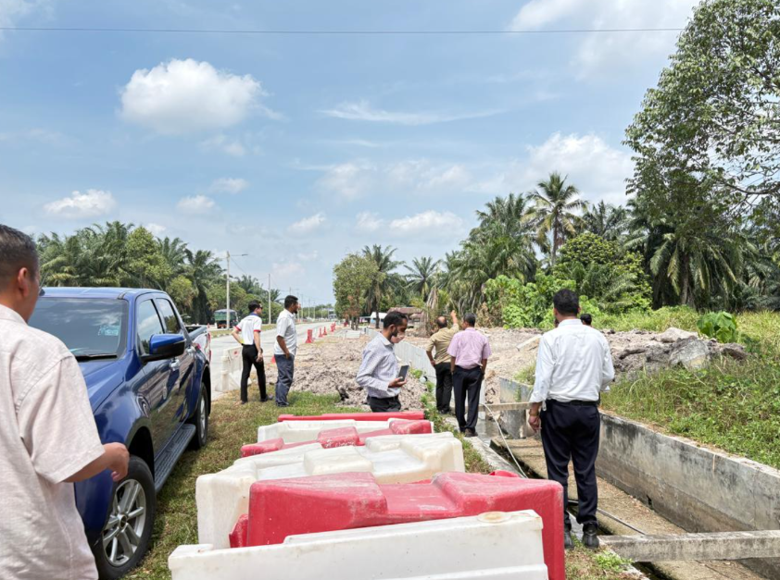
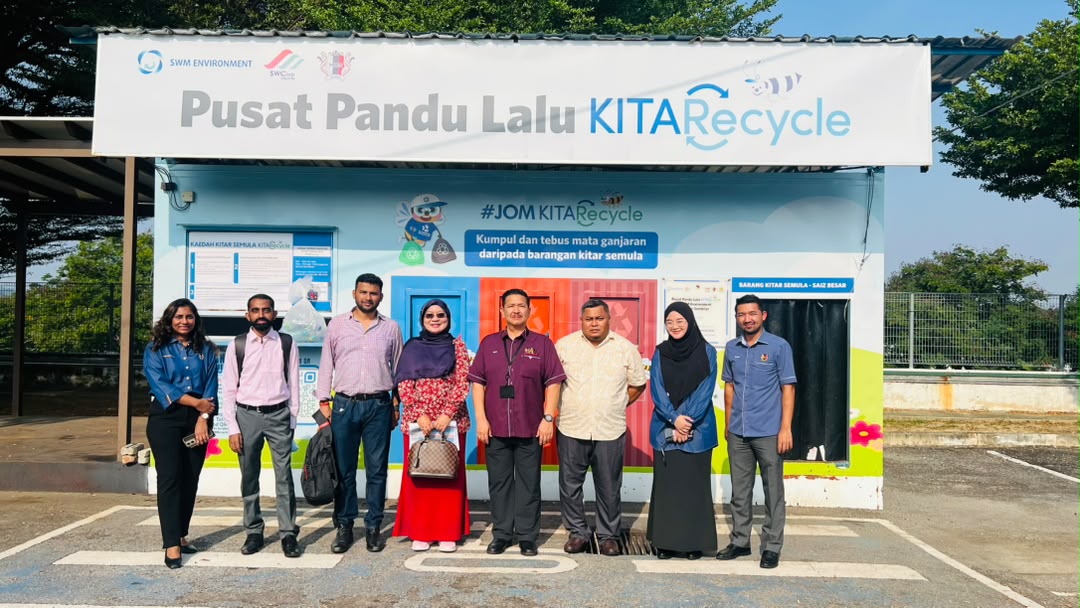
As part of the ongoing GCAP technical assistance programme, the GCAP Implementation Consortium – ICLEI and the IMT-GT Joint Business Council (JBC) team undertook field engagements in Seremban, Taiping and Kuala Kangsar from 11–18 August 2026.
During the site visit, the team interacted with officials from the respective local authorities, Majlis Bandaraya Seremban (MBS), Majlis Perbandaran Taiping (MPT) and Majlis Perbandaran Kuala Kangsar (MPKK) including officials responsible for planning, engineering, landscape, health, building control, solid waste management and other urban services. The consultations also involved relevant state and sector agencies and service providers, including PLANMalaysia, the Department of Irrigation and Drainage (JPS/DID), Public Works Department (JKR), SWCorp, SWM Environment, SAINS (Negeri Sembilan Water Company) and Tenaga Nasional Berhad/National Electricity Utility (TNB), among others. The team also interacted with industries, facility operators, local communities and residents during the field visits, providing firsthand perspectives on local development issues, climate hazards, vulnerabilities and the functioning of key urban systems.
The discussions explored local development priorities, climate hazards and vulnerabilities of urban systems, existing and planned infrastructure, environmental and service-delivery challenges, institutional arrangements, and opportunities for improving urban systems. The engagements covered areas including water and wastewater, stormwater drainage and flooding, solid waste management, transport and mobility, energy, buildings, land use and planning, urban green spaces and biodiversity, tourism and heritage, and disaster management. The team also discussed current practices around database management and the use of digital technologies and platforms for urban management.
The insights gathered through these engagements will complement the ongoing GCAP technical assessments including, city profiling, greenhouse gas emissions assessment, and climate risk and vulnerability assessment. Also, these insights will inform the identification and prioritisation of locally relevant, evidence-based and implementable green city actions and investments, supporting resilient and low-carbon urban development while contributing to Malaysia’s national climate ambitions.