As temperatures soar past 45°C across parts of India, extreme heat is a life-threatening reality for millions. For a construction worker on an exposed site, a street vendor without shade, a domestic worker walking long distances, or an elderly woman in a tin-roofed home without electricity, heatwaves intensify existing vulnerabilities. Even children playing outdoors are increasingly at risk.
Urban heat has emerged as one of the most disproportionate climate hazards of our time, and cities are still catching up in their ability to respond effectively.
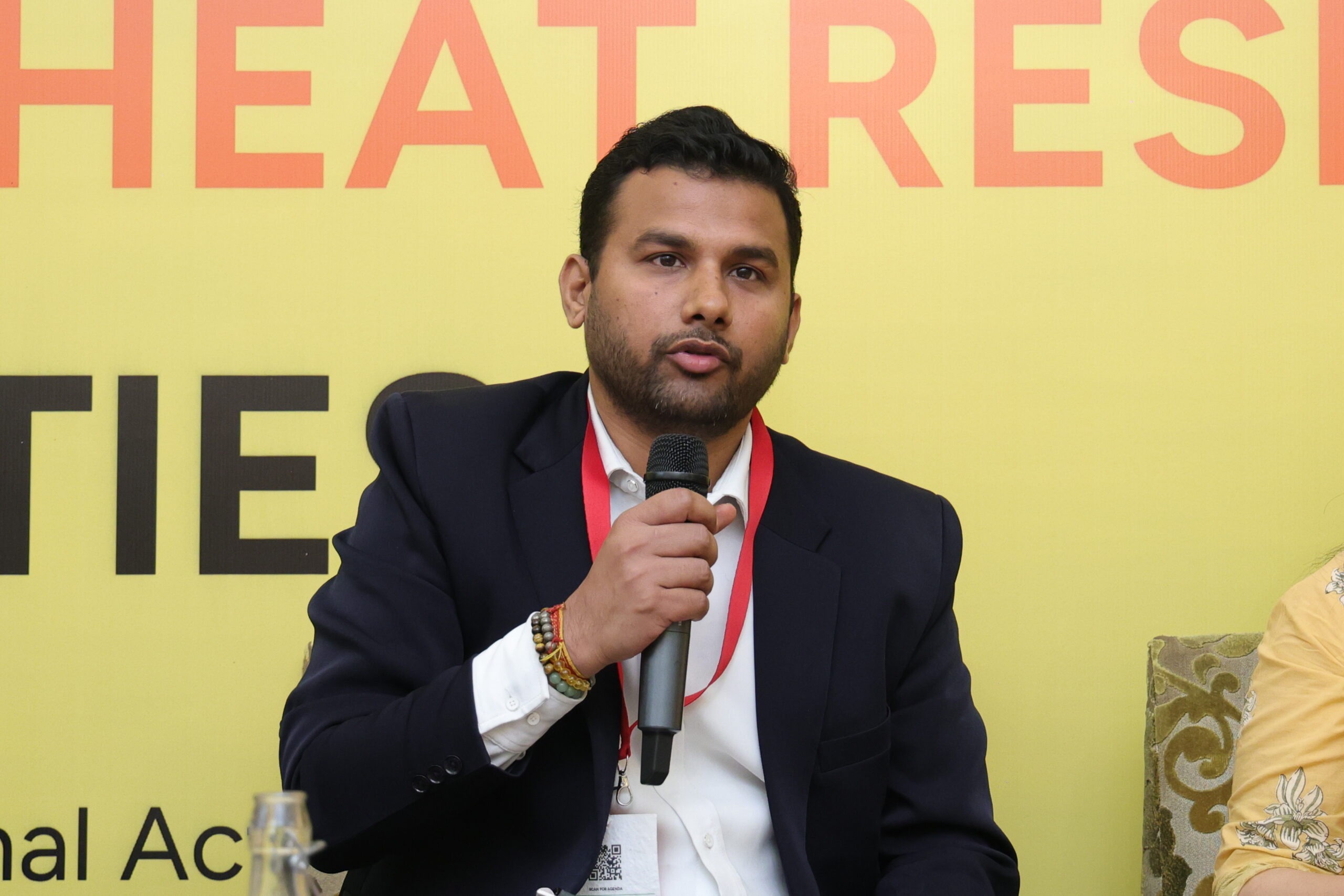
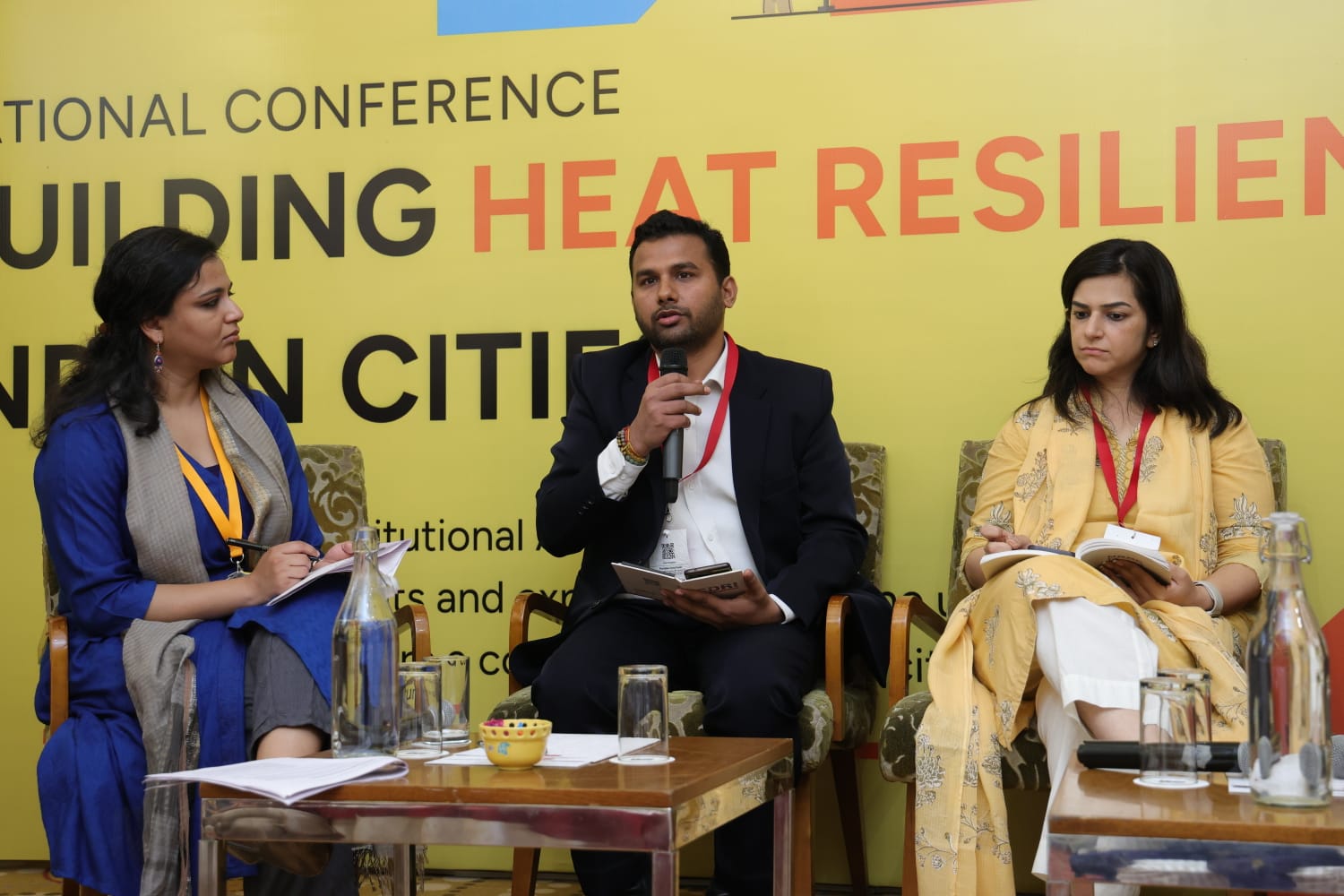
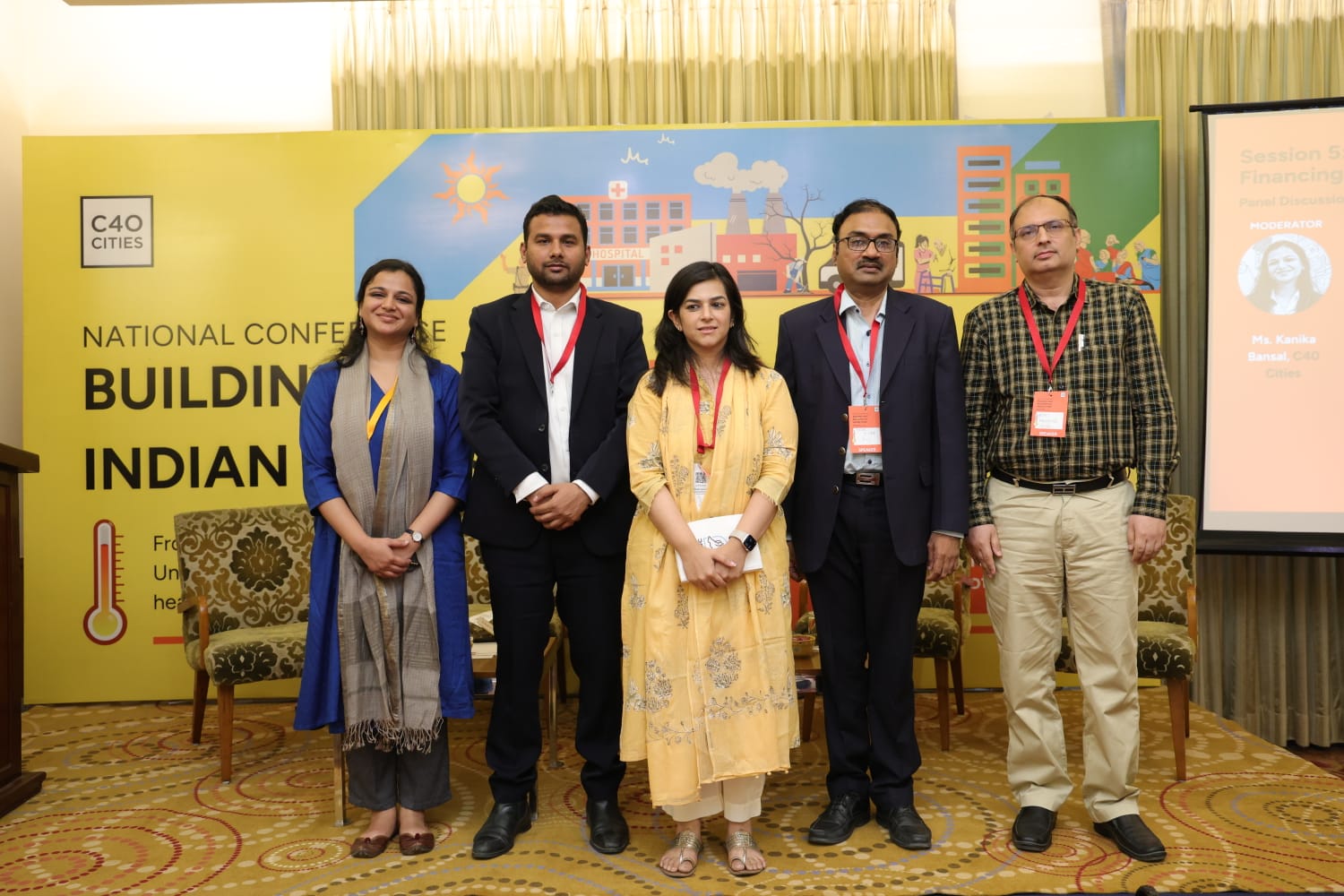
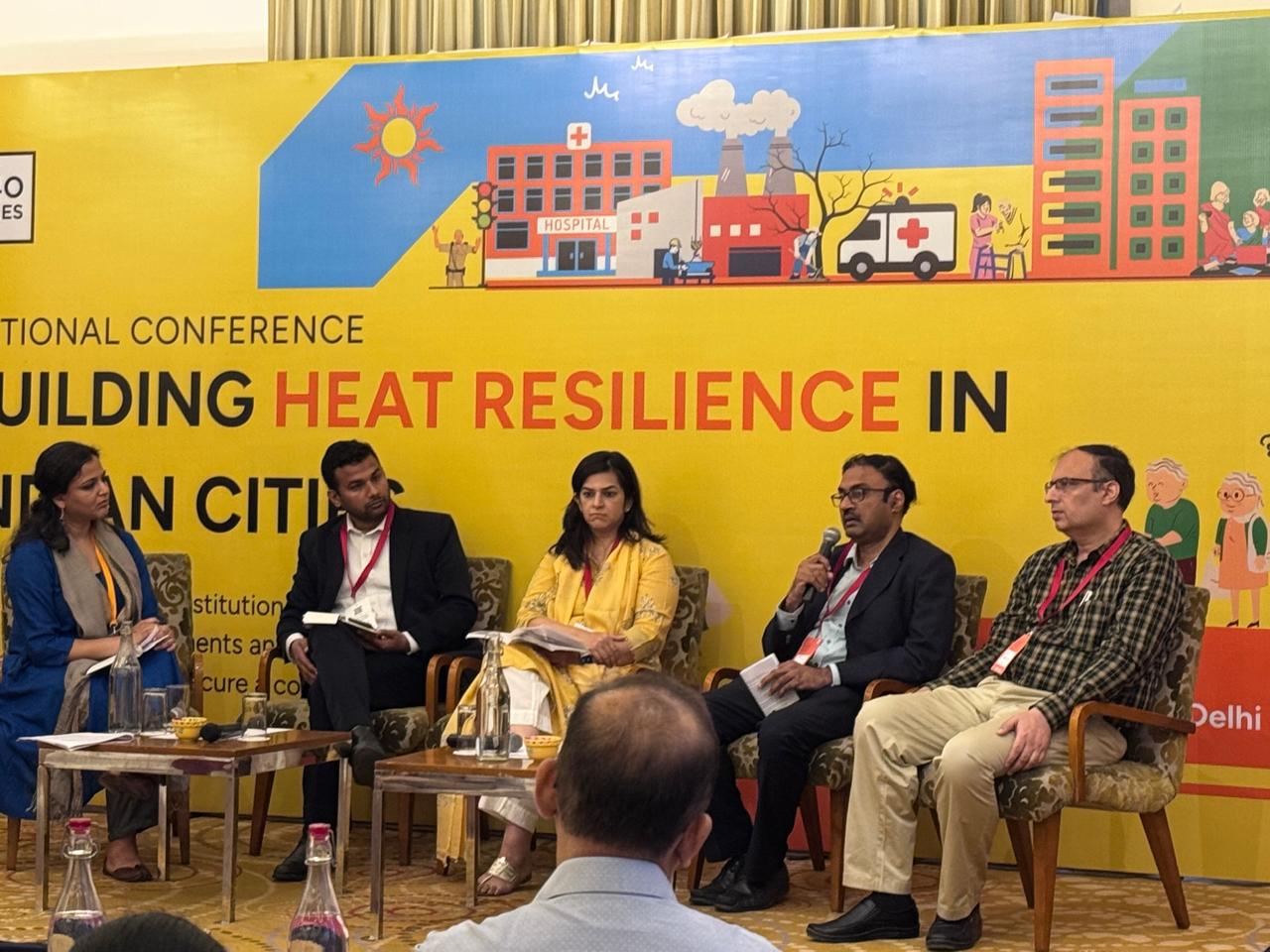
At the C40 Cities National Conference on “Building Heat Resilience in Indian Cities,” held on 13 March in New Delhi, ICLEI South Asia brought this urgency into focus. Participating in the panel on “Institutionalising and Financing Heat Resilience,” Keshav Jha, Senior Manager (Research & Advocacy), ICLEI South Asia, highlighted the scale of the challenge and the pathways to meaningful, on-ground solutions.
According to the India Meteorological Department (IMD), India is expected to experience above-normal heatwave days during March–May 2026, with temperatures already crossing 40°C in mid-March—weeks ahead of peak summer. This trend underscores the need for cities to move beyond short-term emergency responses toward long-term resilience strategies.
At the core of ICLEI South Asia’s work is a people-centered approach. As emphasised by Mr. Jha during the panel discussion, effective heat action begins with identifying those most at risk. Through its Climate Resilient Cities Methodology and Heat Resilience Toolkit, ICLEI supports city governments in mapping vulnerabilities, engaging communities, and designing targeted interventions. These tools combine technical analysis with ground realities and stakeholder dialogues, ensuring that policies translate into real protection for daily wage workers, street vendors, the elderly, and other at-risk groups.
This approach is already delivering results across multiple Indian cities.
In Rajkot, ICLEI South Asia partnered with the Rajkot Municipal Corporation to implement a data-driven Urban Cooling Action Plan. Using drone-based thermal mapping, the city identified neighbourhood-level heat hotspots, many located in informal settlements and outdoor work zones. Based on these insights, targeted cooling interventions were deployed, including cool roofs installed across 280 Aanganwadis, 32 schools, and 5 hawker zones.
Beyond infrastructure, Rajkot has adopted a Climate Resilient, Gender-Equitable, and Inclusive Plan for street vending zones, and is advancing green building concepts within its social housing schemes, integrating heat resilience into broader urban planning.
In Coimbatore, the Municipal Corporation is expanding urban green cover through a Digital Urban Parks Dashboard. By mapping parks and open spaces, the city is identifying underutilised land parcels and converting them into climate assets. This systematic approach to urban greening plays a critical role in reducing ambient temperatures while improving livability.
Ahmedabad offers a compelling model for financing heat resilience. When the city mapped its municipal spending, the exercise revealed nearly 84% of its capital expenditure was already aligned with climate and sustainability objectives. This finding challenged the notion that new funding is always required. Heat resilience financing can be achieved by redirecting infrastructure spending and not just creating new funds.
Ahmedabad has complemented this financial strategy with large-scale interventions such as urban greening, tree planting, green corridors, and lake rejuvenation. These efforts have already reduced temperatures in parts of the city by 2–3°C since 2020. The city is now exploring innovative financing mechanisms, including carbon credits and blended finance, to further scale its impact.
A key message emerging from ICLEI South Asia’s work across the region is that heat resilience is about smarter, more inclusive systems. Passive cooling solutions like cool roofs, vegetation, and improved ventilation remain underutilised, even though they are often more cost-effective than energy-intensive cooling methods. Additionally, the underuse of most State Disaster Mitigation Funds highlights a missed opportunity to invest in long-term solutions rather than short-term relief.
ICLEI South Asia’s work demonstrates that building heat resilience requires a shift in how cities plan, finance, and implement climate action. By assisting cities in bridging the gap between policy intent and on-ground realities, the organisation is enabling cities to protect their most vulnerable populations while building sustainable, future-ready urban systems.