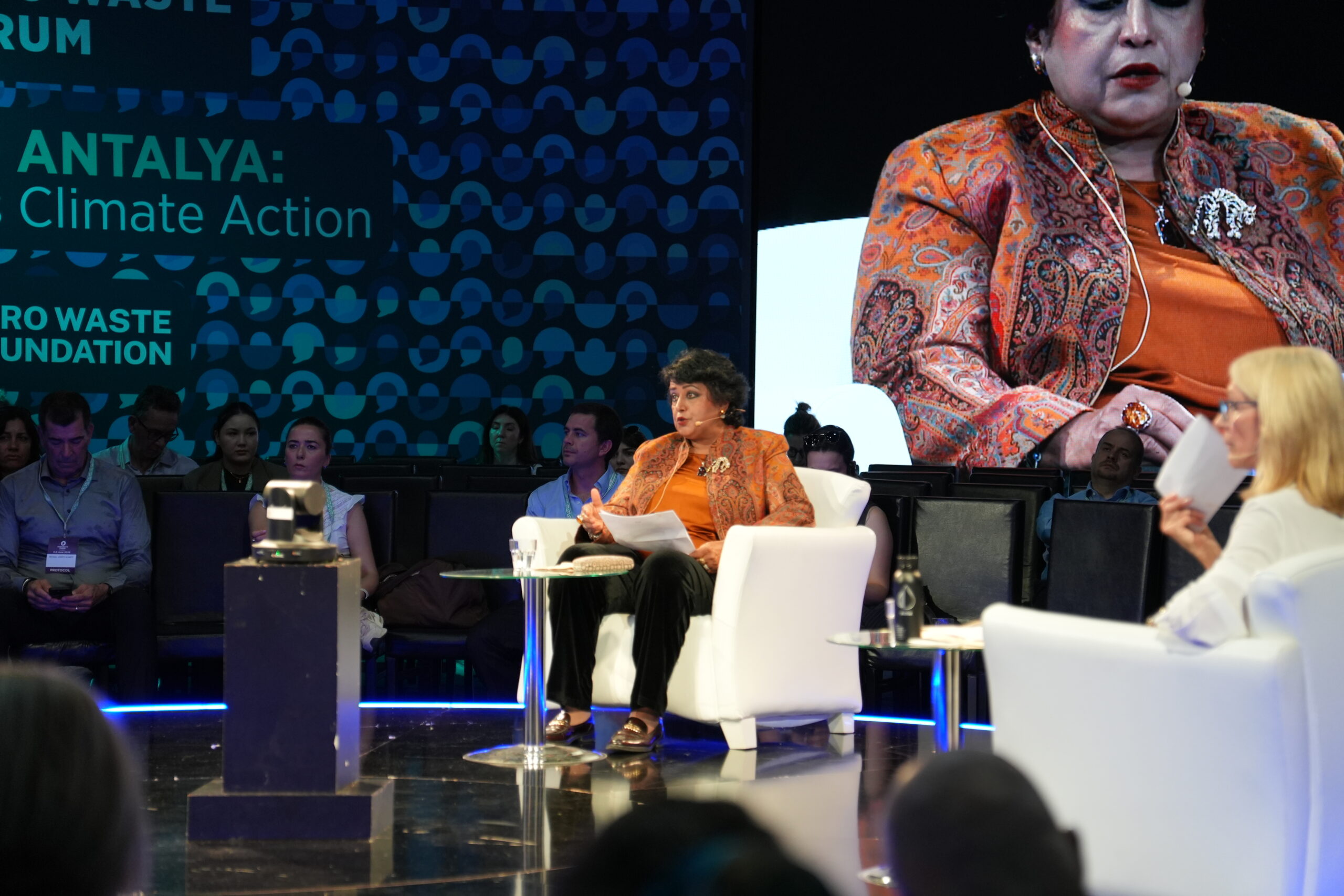
ICLEI participated in the Zero Waste Forum organised by the Zero Waste Foundation from 5-7 June 2026 in Istanbul, Türkiye. The Forum convened global leaders, policymakers, innovators, urban authorities, and community stakeholders to drive tangible progress toward a zero waste future.
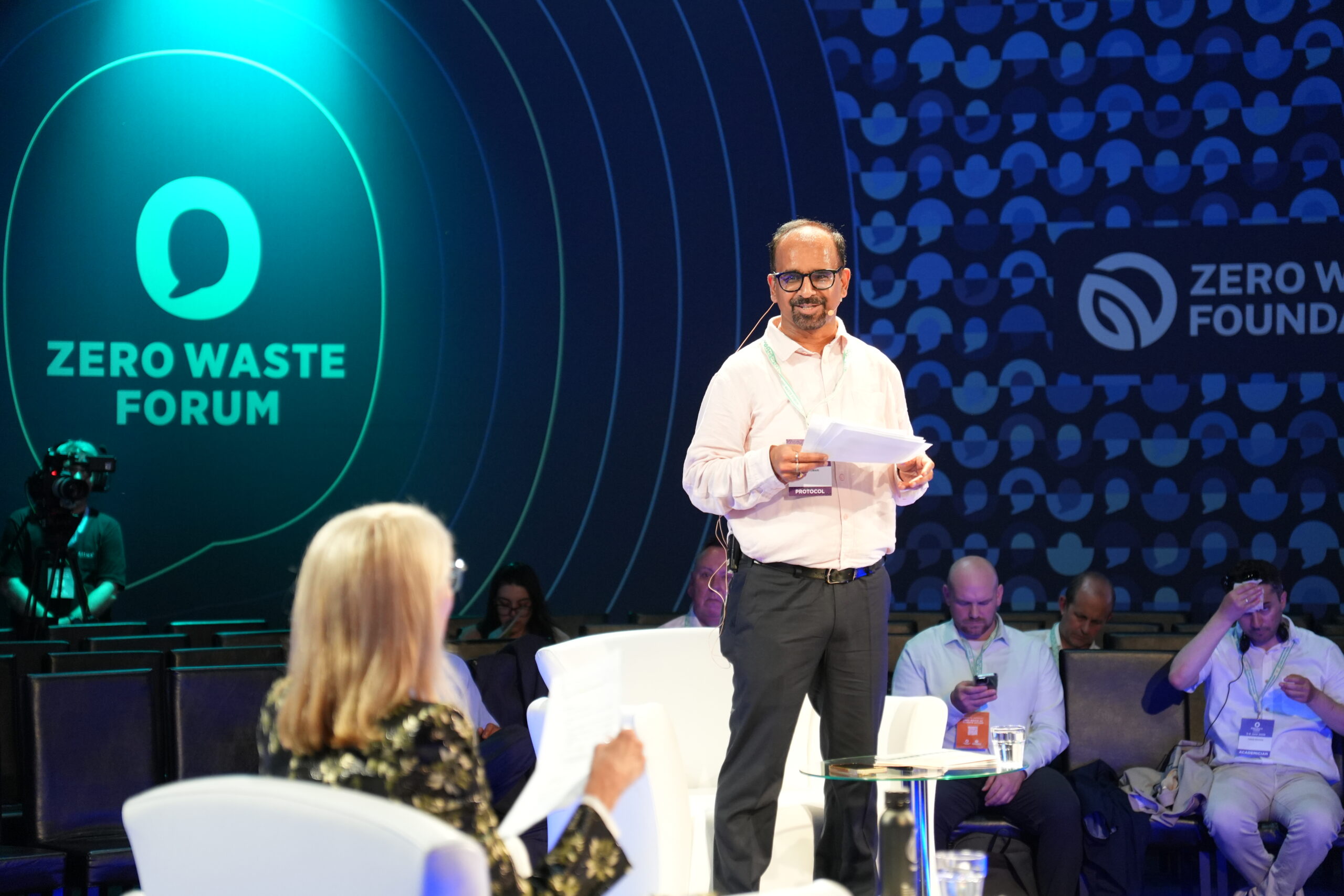
Moderating the high-level session, “Capital for Delivery: Investment, Trade and Industrial Policy on the Road to COP31,” Emani Kumar, Deputy Secretary-General, ICLEI and Executive Director, ICLEI South Asia, underscored the critical message that zero waste cannot be achieved through environmental ambition alone. It requires systemic transformation driven by finance, industrial policy, trade frameworks, and collaborative governance.
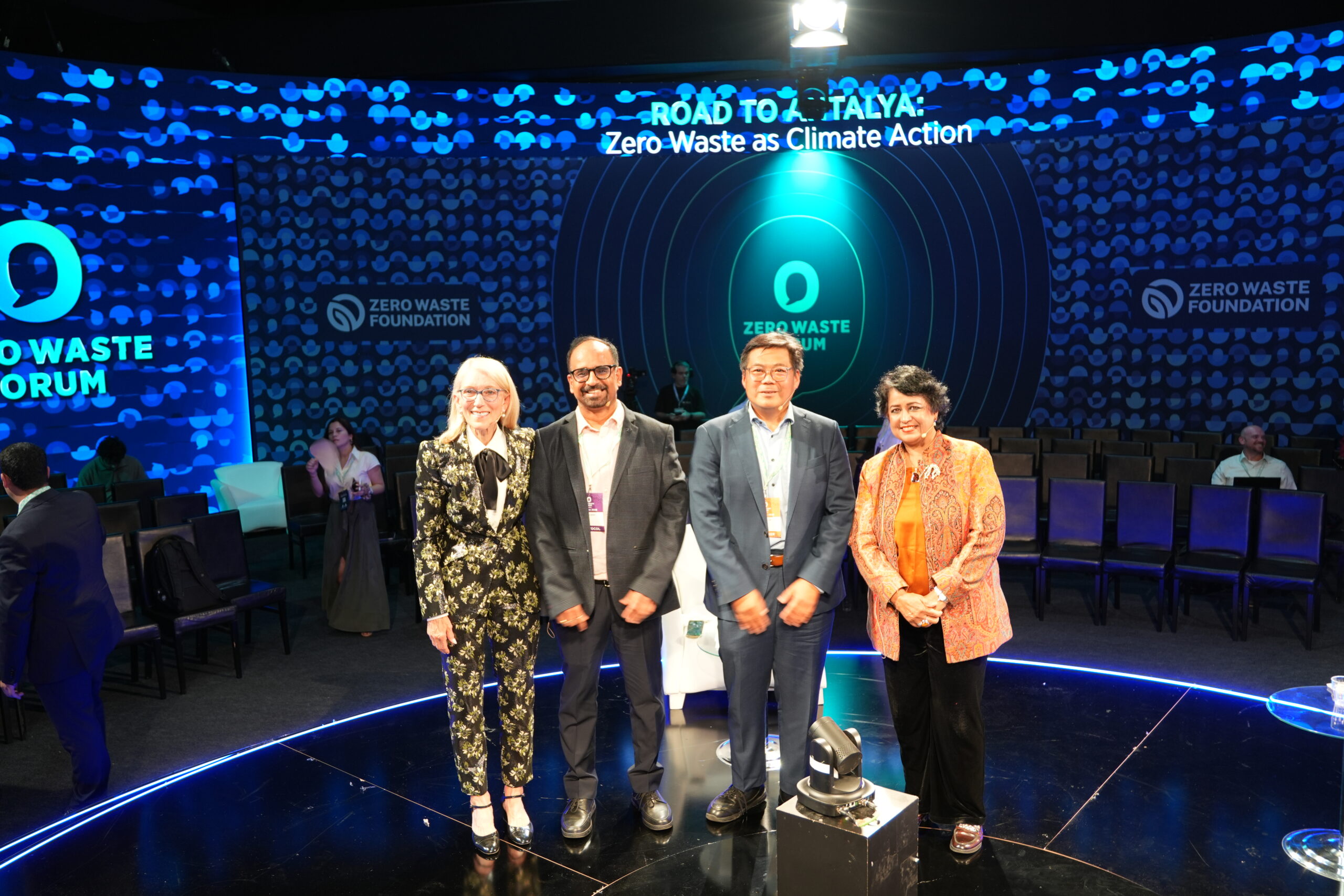
The session brought together global leaders including Jean Baderschneider, Board Member of Nizami Ganjavi International Center (NGIC), Board of Directors, Fortescue Ltd.; Founder and Chair, The Global Fund to End Modern Slavery; Vice President, ExxonMobil 2000-2013; Aik Hoe Lim, Director, Trade and Environment Division, World Trade Organization; and Ameenah Gurib-Fakim, Former President of Mauritius, to explore how finance and economic policy can accelerate zero waste delivery in the lead-up to COP31 in Antalya.
Zero Waste as a driver of Climate Action
Opening the discussion, Mr. Kumar framed zero waste as a cornerstone of climate action and urban transformation. “Achieving zero waste needs a systems transformation,” he noted. “It is one of the most pivotal aspects to address in order to advance climate action. Not only are our cities going to become waste-free, but zero waste will also reduce emissions, improve resource efficiency, unburden public health institutions, build economic resilience, and enhance social inclusion.”
Positioning the conversation within the broader “Road to Antalya: Zero Waste as Climate Action” agenda, he emphasised that the transition from commitments to implementation is now the defining challenge for global climate governance. “The shift from planning to delivery and on-ground action has assumed profound importance…We need to close the gap on how they are financed, implemented, scaled, and sustained for generations to come,” he said.
Throughout the session, ICLEI highlighted the need for economic and policy systems that support prevention, reuse, repair, circular production, and low-waste infrastructure.
Road to Climate Transition: Financing, Trade Policy, and Just and Inclusive Transition
Mr. Kumar emphasised that closing the finance gap for zero waste transitions required stronger alignment between climate ambition and economic policy. He highlighted that investments have to be scaled for circular economy transitions, multilateral development banks have to be involved in de-risking projects, and COP31 preparatory dialogues have to be translated into bankable implementation pipelines.
He also underscored that green industrialisation must become a priority under COP31. Highlighting trade policy as a climate lever, Mr. Kumar called for industrial policy instruments such as subsidies, mandates, procurement rules as instruments for preventing waste dumping, expanding zero waste practices in sectors, enhancing technology and innovation, and defining concrete policy measures aligned with climate objectives.
Emphasising on just transition, he noted that investment frameworks must integrate energy security, development priorities, and support for vulnerable communities. He also called upon the private sector to participate in such efforts through blended finance mechanisms, carbon markets, and partnerships to help deliver concrete outcomes.
Strengthening Bankability and Collaboration
The panel discussion further reinforced ICLEI’s emphasis on implementation-oriented climate action.
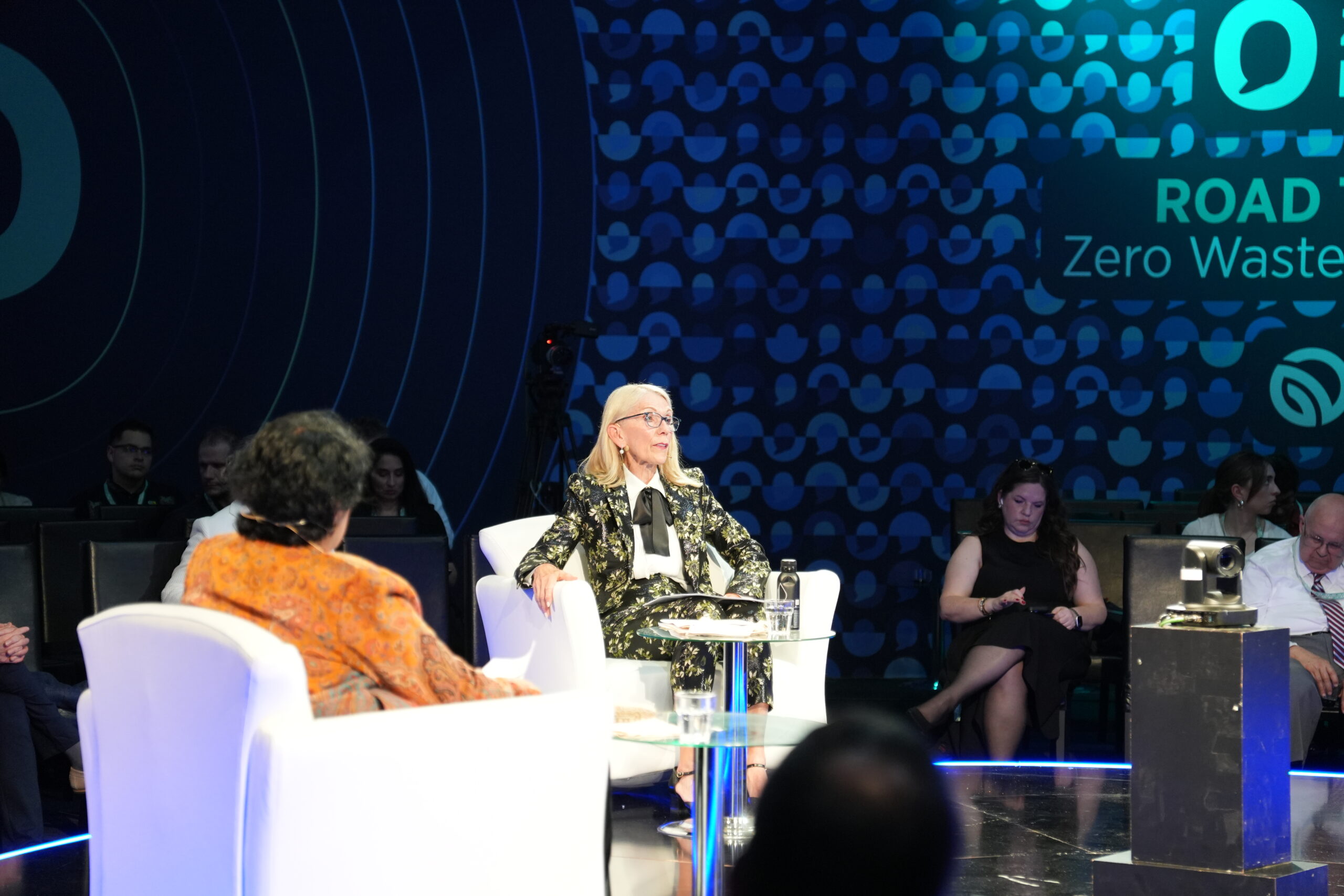
Jean Baderschneider highlighted that the primary barrier to scaling climate solutions is not the availability of finance, but the bankability of projects. She pointed that patient capital, government guarantees, insurance mechanisms, and de-risking frameworks as essential tools for mobilising private investment into circular economy and climate projects.
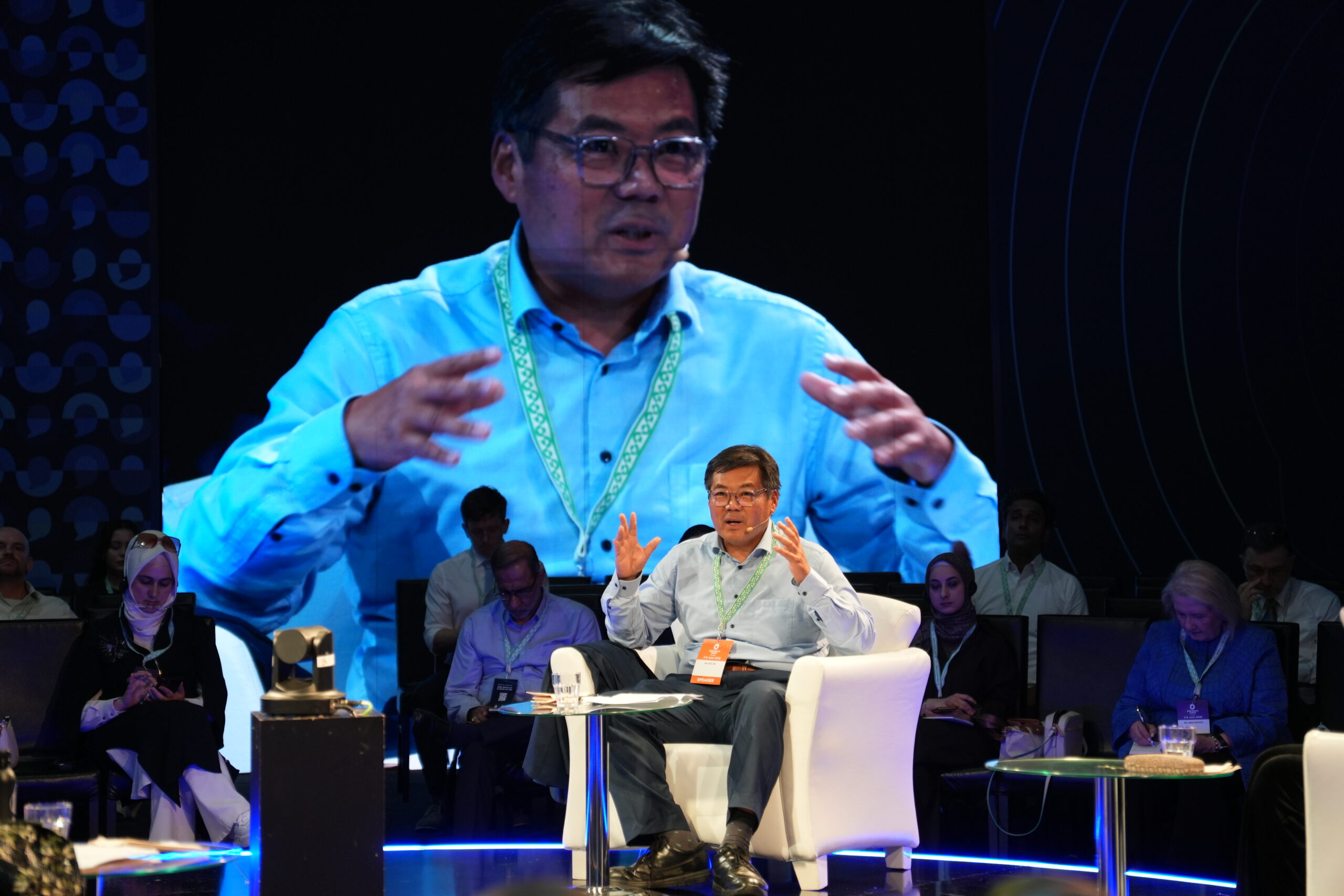
Aik Hoe Lim underscored the role of trade policy in enhancing bankability of projects by improving their scale through access to markets. He noted that waste, circularity, and climate challenges presented major economic opportunities and highlighted the need to think more deeply about green comparative advantage of transforming environmental challenges into opportunities for economic growth through targeted finance, investment, innovation, and technological advancement. To facilitate this, trade can play a critical role in driving solutions to global climate and sustainability challenges, he noted. He further highlighted the importance of strengthening dialogue between governments on green transitions and for enabling policy frameworks, essential for expanding markets for green production and sustainable products. Transparency, predictability, policy certainty, and a rules-based system are critical to building private sector confidence and driving long-term investment.
Former President Ameenah Gurib-Fakim called for stronger collaboration between governments, the private sector, and non-state actors to ensure climate and circular economy solutions can scale effectively and equitably.
As discussions moved toward Antalya, ICLEI reinforced the importance of connecting local implementation realities with global climate ambition. The session is expected to contribute financial and industrial policy recommendations to the forthcoming “Road to Antalya Declaration,” helping shape practical pathways for zero-waste delivery worldwide.
As momentum builds toward COP31 in Antalya, the Zero Waste Forum reinforced the need to align finance, trade, industrial policy, and local implementation to accelerate zero waste transitions globally. Through its leadership and participation, ICLEI emphasised that achieving climate goals will require scalable investments, enabling policy frameworks, stronger public-private collaboration, and inclusive approaches that place cities and local governments at the forefront of delivering resilient, low-waste, and equitable futures.