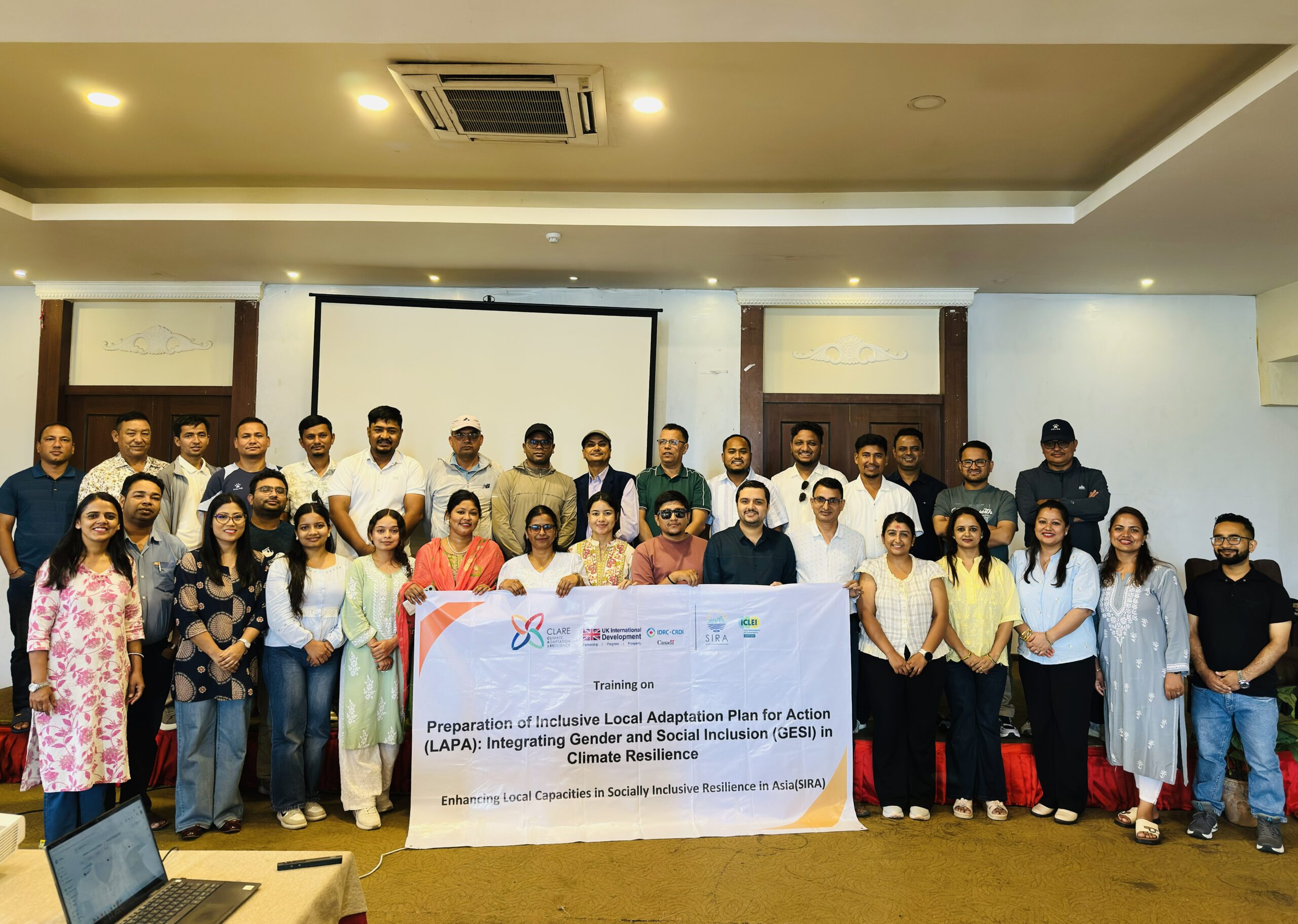
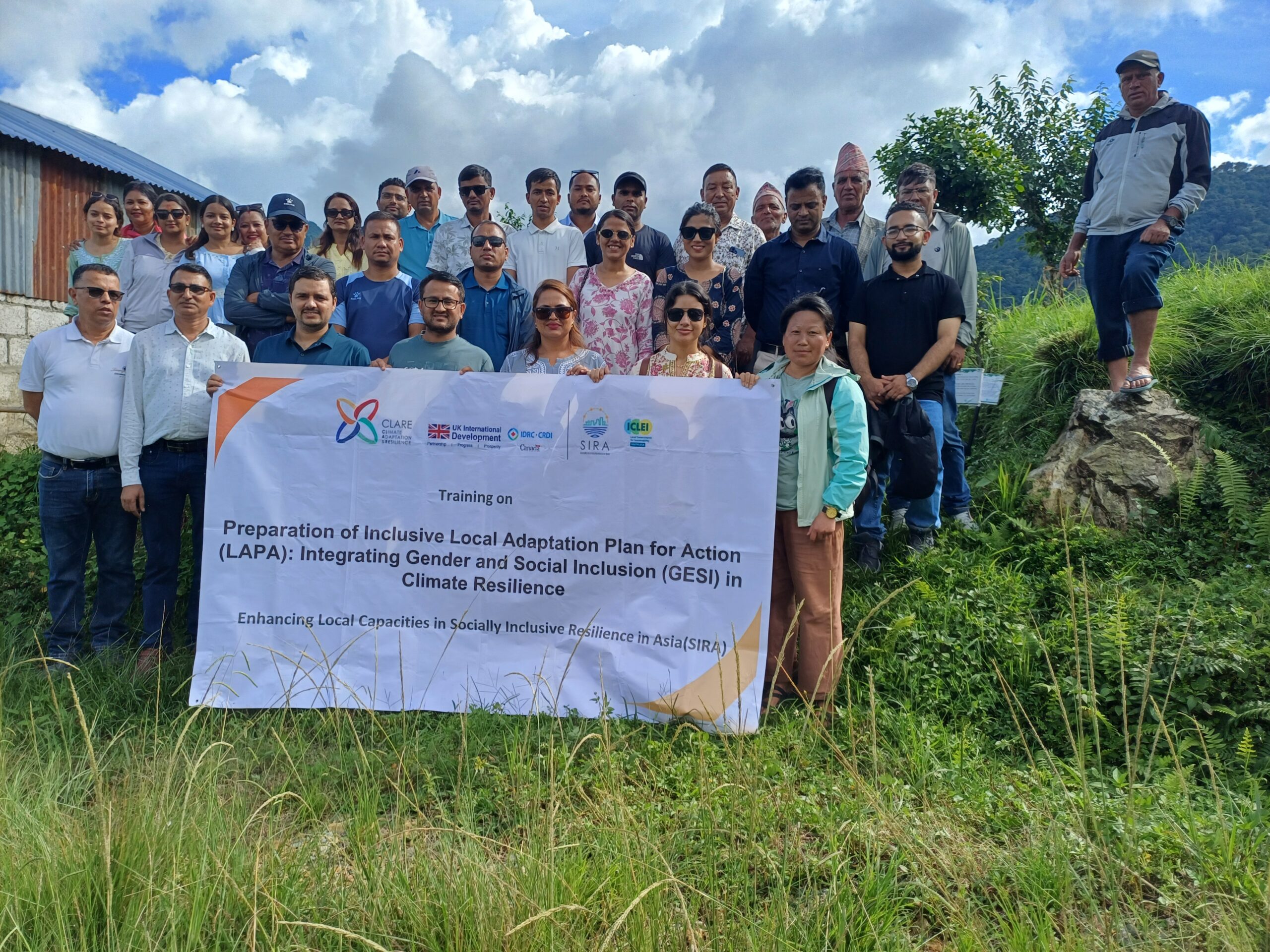
As part of the Enhancing Local Capacities in Socially Inclusive Resilience in Asia (SIRA) project, ICLEI South Asia conducted two trainings on “Preparation of Inclusive Local Adaptation Plan of Action (LAPA): Integrating Gender Equality and Social Inclusion (GESI) in Climate Resilience” in Pokhara, Nepal. The trainings strengthened the capacities of local governments to engage diverse stakeholders in promoting inclusive and climate-resilient urban development.
The trainings were conducted in two parts: from 17-19 March 2026 for the Eastern Cluster and from 21-23 July 2026 for the Western Cluster. A total of 60 participants attended them. The participants included 44 municipal officials from 16 municipalities.
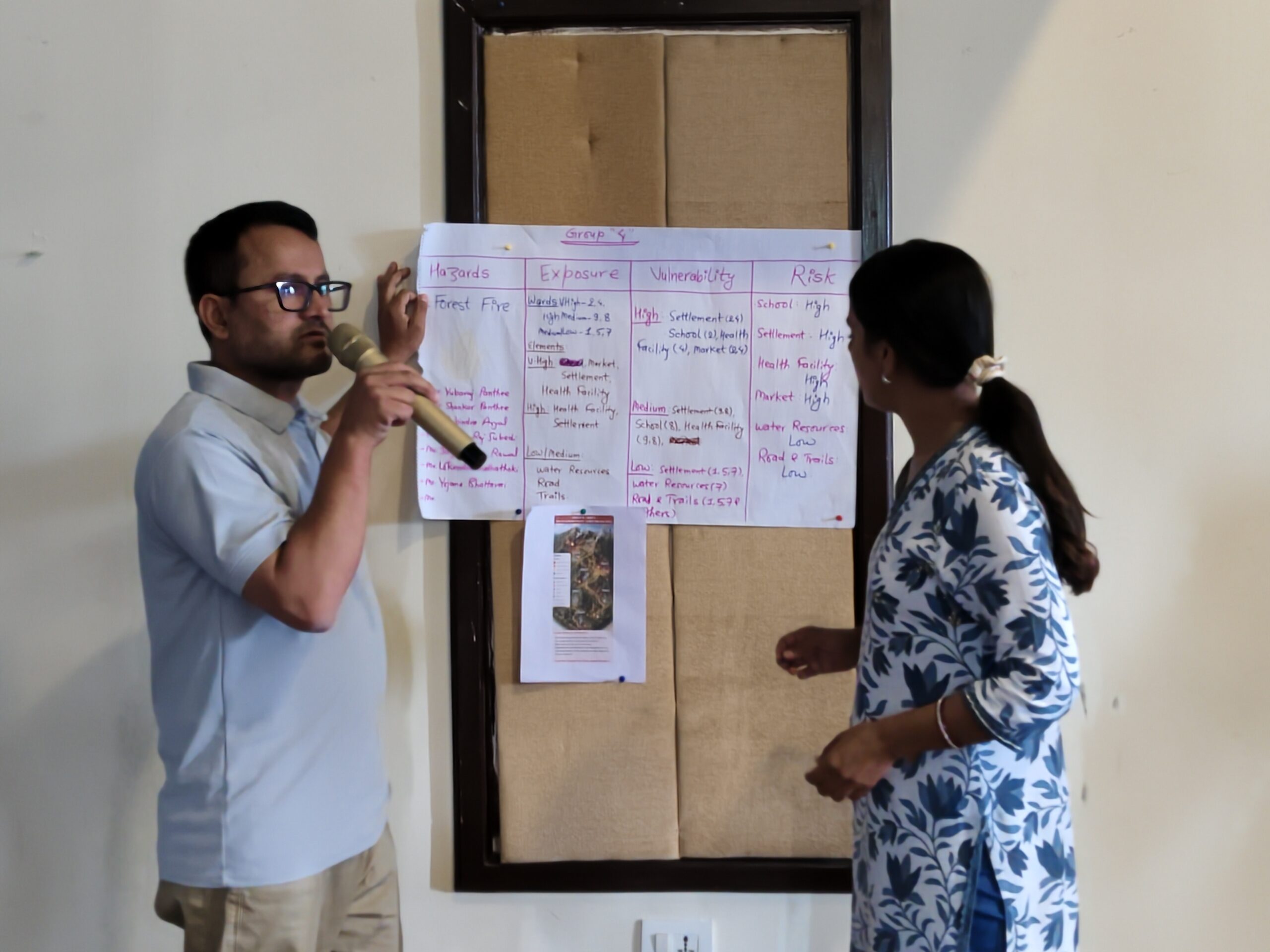
Technical sessions led by Senior Manager Mr Rahul Singh, Senior Project Officer Ms Manju Adhikari, and Deputy Manager Ms Anuradha Adhikari from ICLEI South Asia focused on climate resilience, GESI, climate vulnerabilities in Nepal, and the role of LAPAs in local development planning. Mr Rahul Singh also introduced ICLEI South Asia’s ClimateResilientCities (CRC) methodology and the LAPA framework, guiding participants through Climate Risk Assessment, baseline assessment, system fragility analysis, and other interventions.
Mr Komal Raj Kafle, Divisional Forest Officer, Kaski, and Dr Maheshwor Dhakal, Chief of Climate Change Management Division, Ministry of Forest and Environment, in the Eastern and Western Clusters, respectively, provided the participants with an overview of Nepal’s climate policy landscape and highlighted the critical role of municipalities in implementing local adaptation actions.
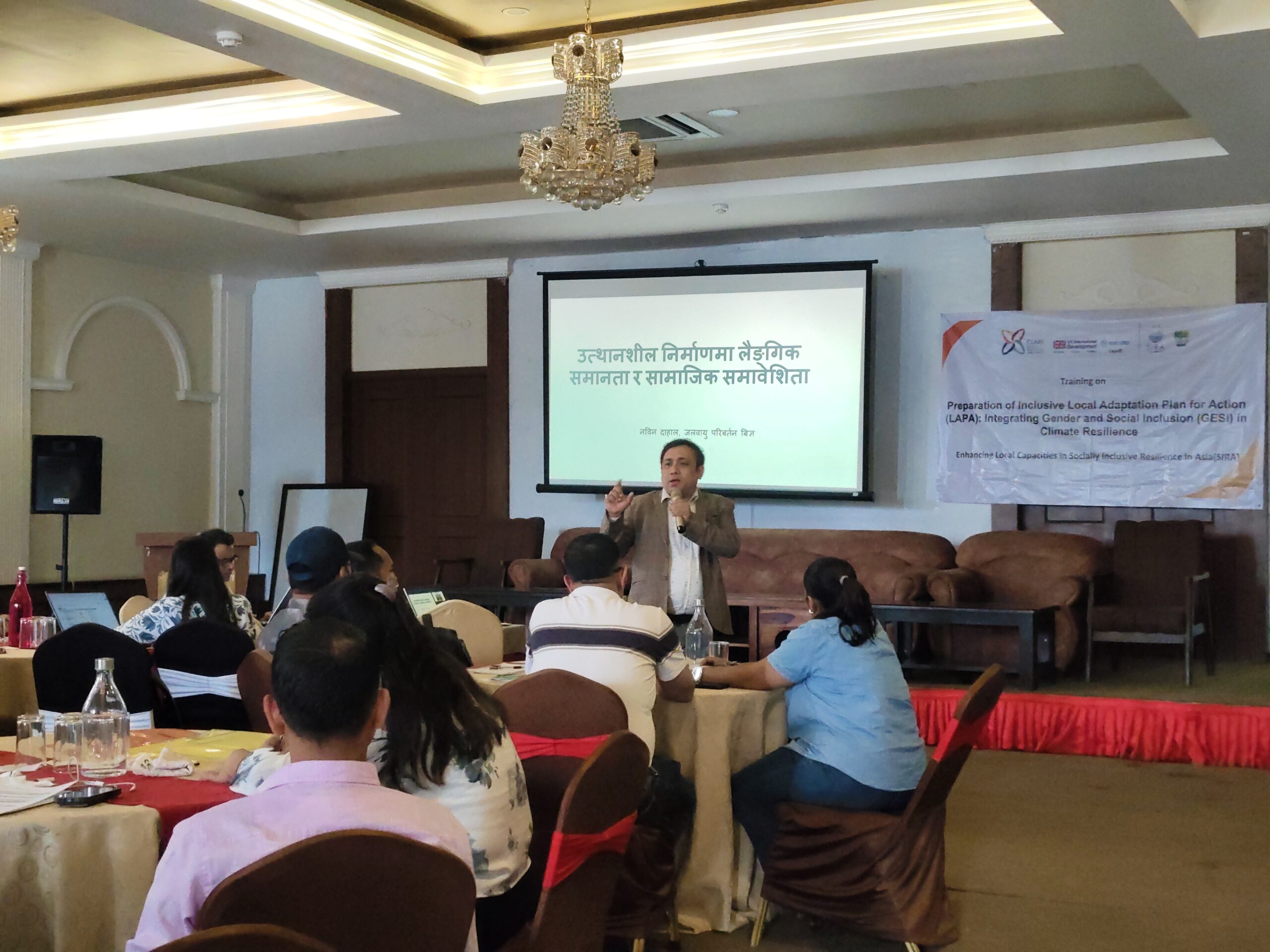
The sessions led by Mr Bishnu Bhusal from LiBIRD, for the Eastern cluster, and climate change expert Mr Navin Dahal, for the Western Cluster, reinforced the importance of taking participatory, gender-sensitive approaches to municipal-level climate resilience strategies.
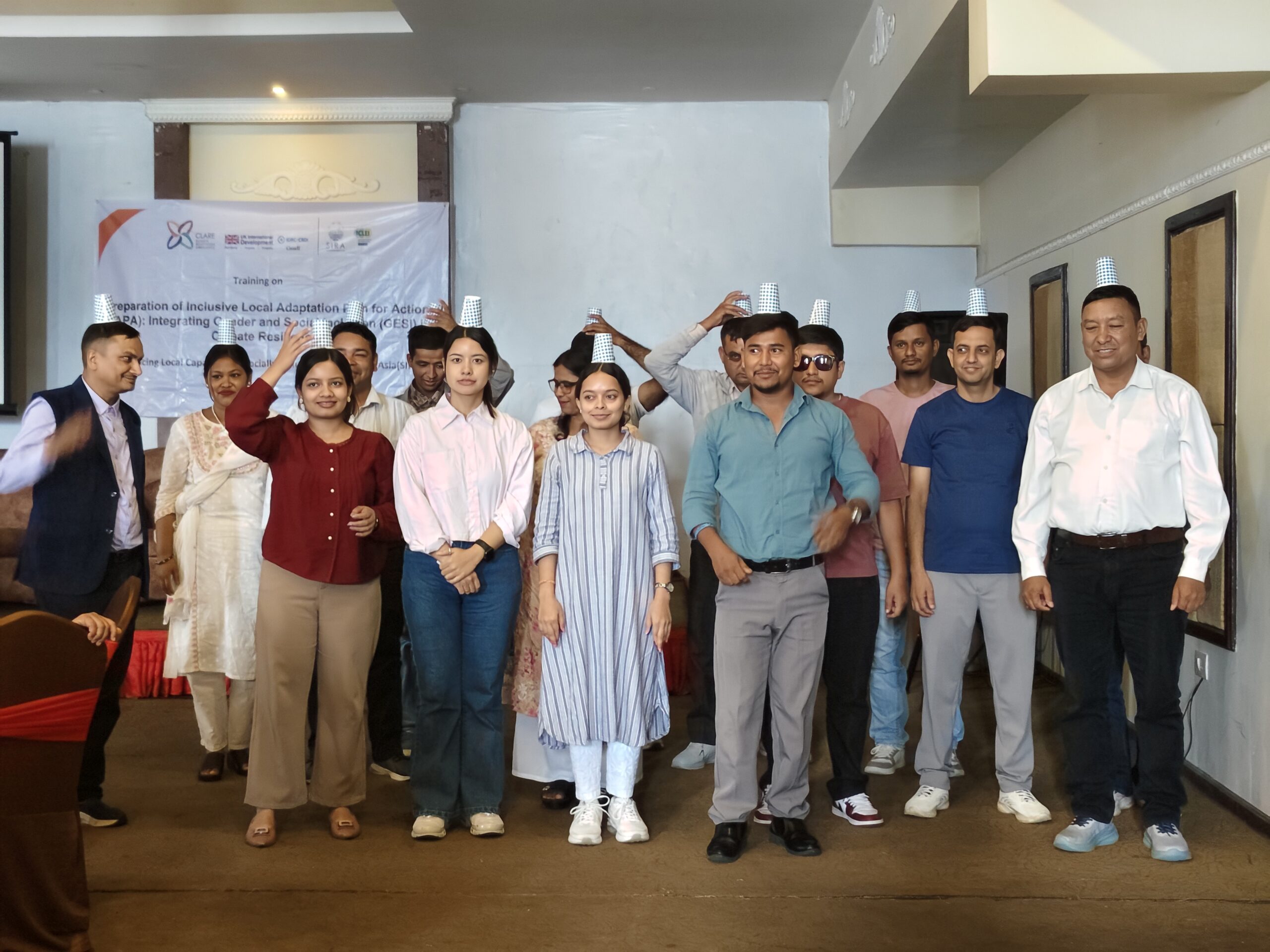
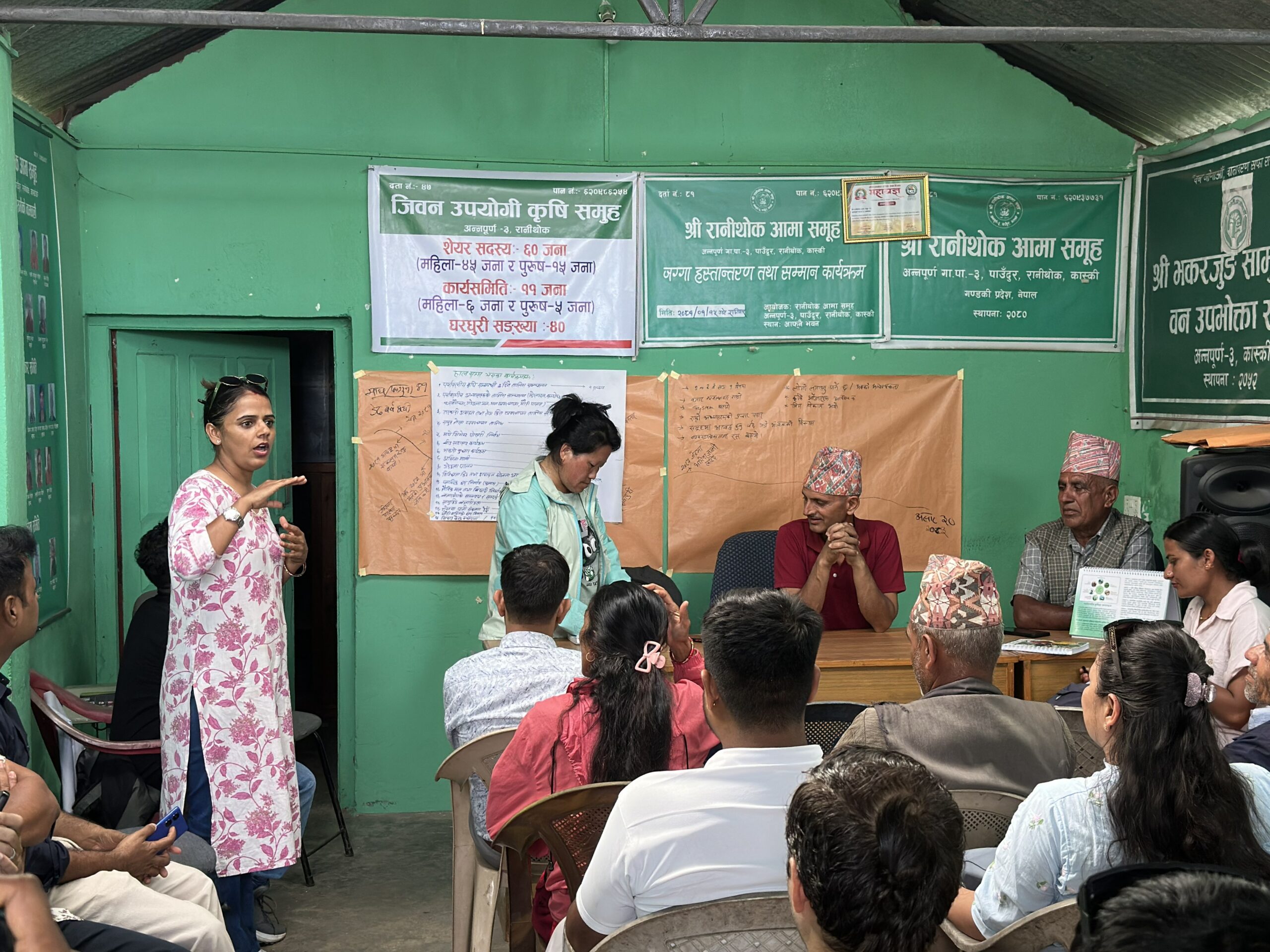
The training programme was also enriched by interactive exercises and field visits. The Eastern Cluster visited Maramche, Kaski, where Mr Krishna Prasad Adhikari shared community experiences of climate-smart agriculture, and Sundaridanda, where Mr Pushpa Raj Subedi showcased biodiversity-based solutions benefiting over 1,123 households. The Western Cluster visited Jiban Upayogi Krishi Samuha in Ranithok, observing locally adapted practices such as vermicomposting, rainwater harvesting, climate-tolerant crops and organic farming.
During the training, the participants also shared their experiences and exchanged insights, bringing practical perspectives on preparing LAPAs and addressing challenges they face while implementing them.
The training concluded with strong municipal commitments to apply inclusive, gender-sensitive, and evidence-based approaches to local climate adaptation planning, reinforcing the importance of community engagement and nature-based solutions in building resilient, equitable local development.
The trainings were a part of an ongoing capacity-building programme across Nepal, Bangladesh, Indonesia, and the Philippines under the SIRA project, which is funded by UK Aid through the Foreign, Commonwealth and Development Office (FCDO), and the International Development Research Center (IDRC), Canada, through the Climate Adaptation and Resilience (CLARE) programme.