Our “Member in Focus” feature spotlights distinguished leaders from our member cities, showcasing their insights, achievements, and experiences in shaping inclusive, resilient, and future-ready urban communities.
In this edition, Mr Chintan Tamang, Mayor of Dhankuta Municipality, shares how Dhankuta is driving meaningful change through local action.
How would you describe Dhankuta’s development journey and priorities?
Dhankuta Municipality, located in Koshi Province, covers 111 square kilometres and is an important agricultural hub for eastern Nepal. In fact, its large-scale cultivation and production of avocados have earned it the title of the ‘Avocado Capital of Nepal’. But we recognise that sustainable development requires us to look beyond agriculture and address social, environmental and economic priorities together. Our efforts are therefore focused on building a resilient, inclusive and sustainable municipality, while improving the quality of life and opportunities available to our communities.
Dhankuta is preparing its first Voluntary Local Review (VLR). What does this process mean for the municipality?
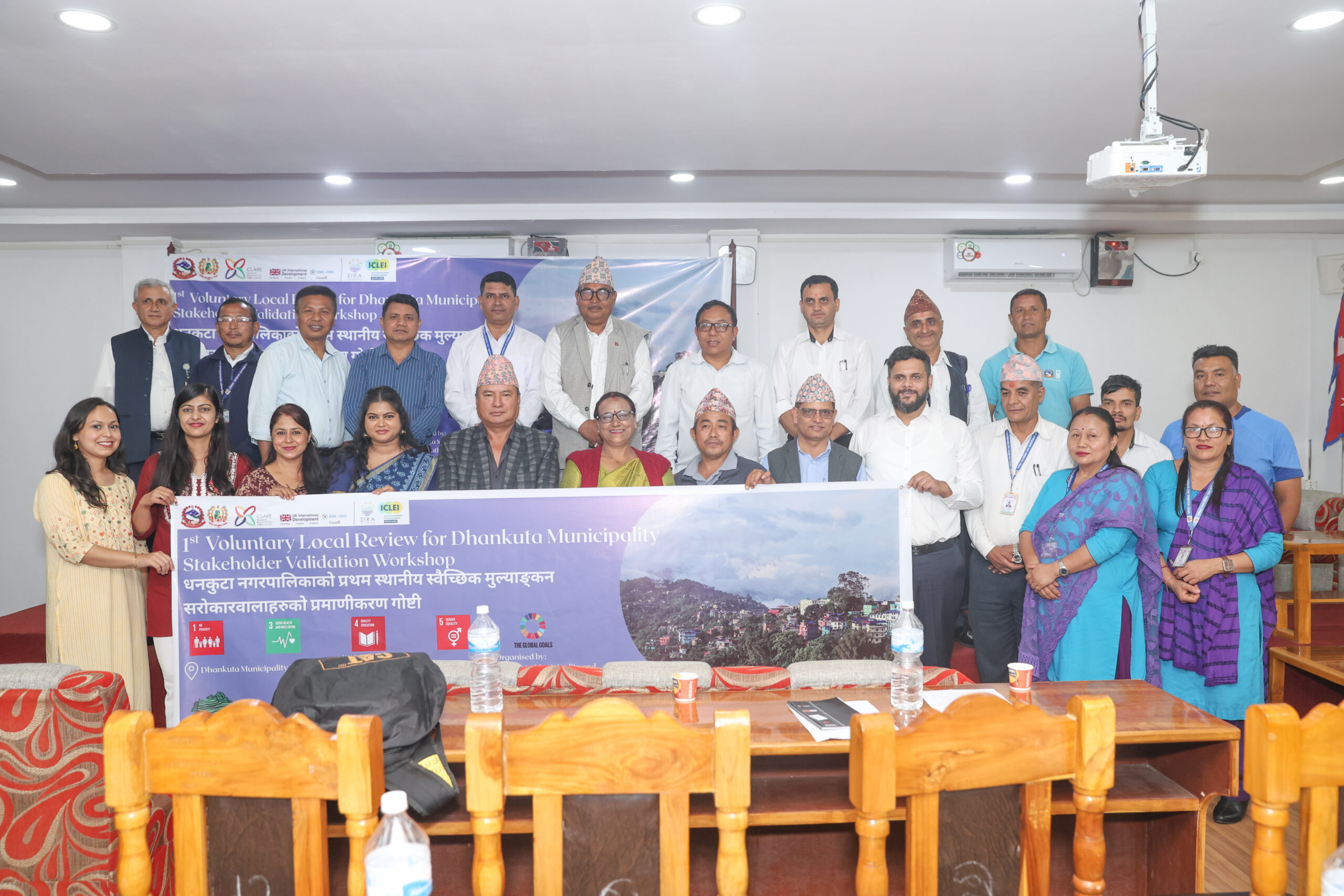
Dhankuta is preparing its first Voluntary Local Review (VLR) with technical support from ICLEI South Asia under the Enhancing Local Capacity in Socially Inclusive Resilience in Asia (SIRA) Programme. This is an important opportunity for us to take stock of our progress towards the Sustainable Development Goals and identify areas where further action is needed. We are assessing our progress against four SDGs—SDG 1 on No Poverty, SDG 3 on Good Health and Well-being, SDG 4 on Quality Education, and SDG 5 on Gender Equality. The process will help us understand our achievements, gaps and priorities through evidence, and strengthen the integration of the SDGs into local planning and decision-making.
What impact has the Climate Smart Village initiative had on Dhankuta?
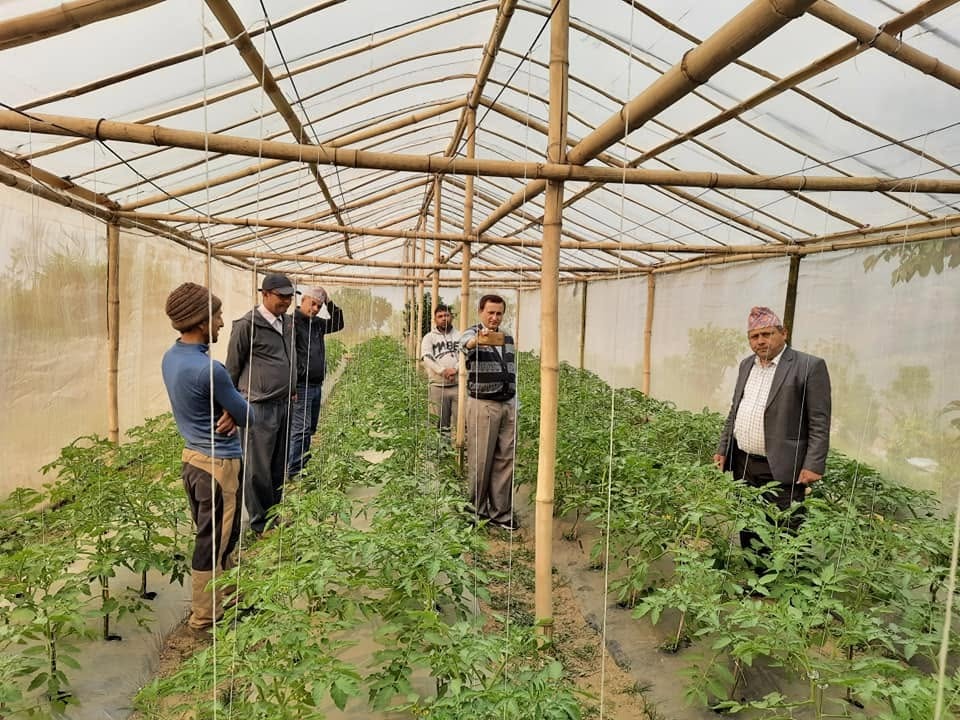
The ‘Climate Smart Village’ project was financially supported by the municipality and the United Nations Development Programme (UNDP) and managed by Poverty Alleviation and Rural Development Project (PARDEP) Nepal. It focused on five thematic areas, namely, agriculture, water, energy, sanitation, and ICT. Based on the thematic areas, the project promoted plastic tunnel farming, rainwater harvesting for improved water management, supported biogas installations, encouraged improved toilet use and planting, and expanded internet access across the municipality. The project has benefitted 1500 households in the municipality, promoting climate-resilient practices and contributing to the achievement of the SDGs.
Dhankuta has also developed an Urban Resilience Roadmap. Why is this important for the municipality?
Climate change and disasters can affect every aspect of urban development. The Urban Resilience Roadmap has helped us identify key risks and vulnerabilities and develop strategies to address them proactively. It provides a framework for integrating climate resilience, disaster risk reduction, inclusive development and sustainable infrastructure into municipal planning.
Waste management is another area where Dhankuta has taken an innovative approach. Could you tell us more about it?
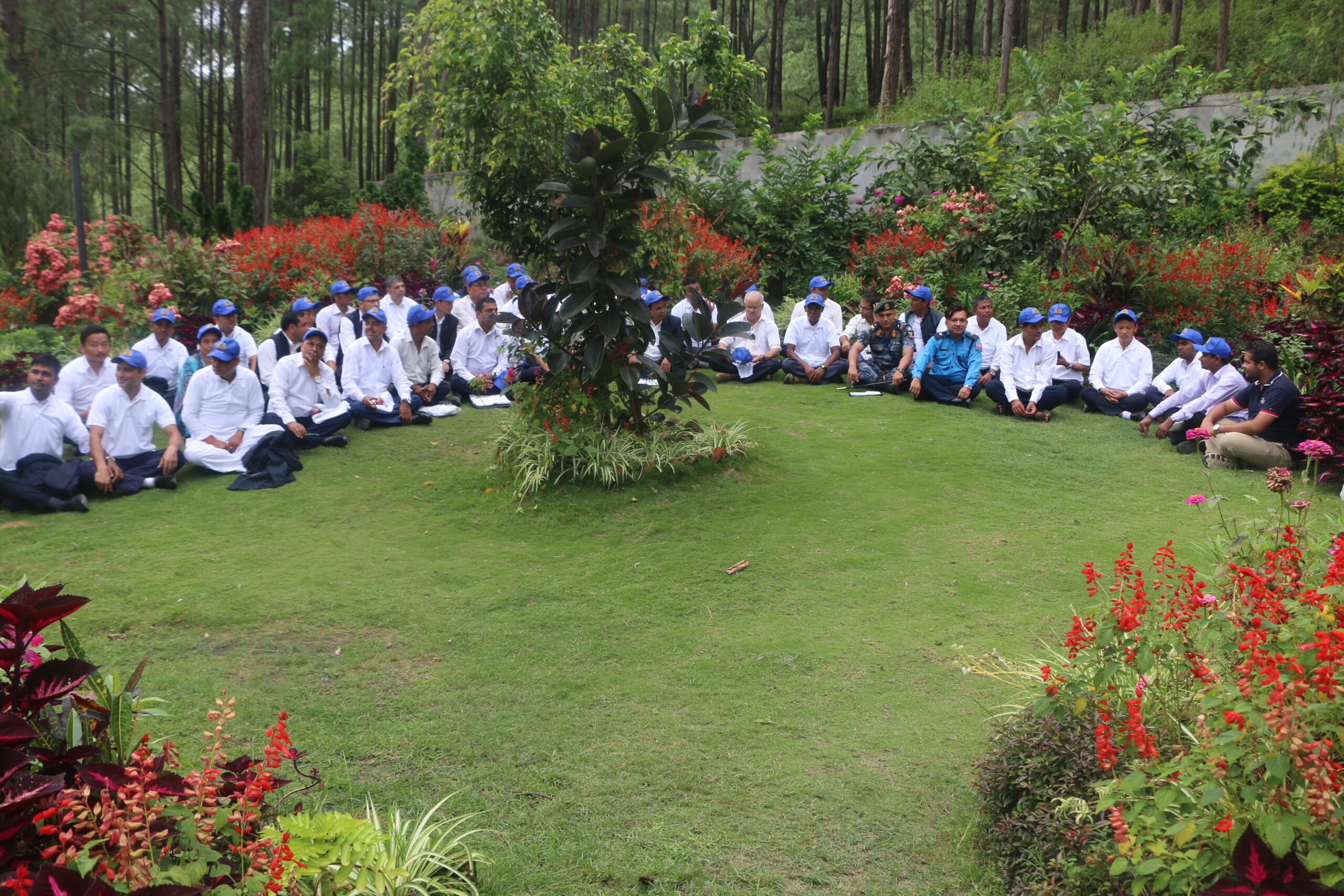
We are proud to have been recognised as ‘The Cleanest City of Nepal’ by the Government of Nepal Solid Waste Management Technical Support Centre in 2017. A key achievement for us has been the transformation of a 1.52-hectare landfill site in Ward 6 to a garden. The garden is built with an open space in the middle, carpeted with Bermuda grass, and boasts of 30 species of ornamental plants. Waste management is a major challenge for municipalities, and we wanted to demonstrate that a landfill site can be transformed into a community asset.
Looking ahead, what is your vision for Dhankuta Municipality?
Our vision is to build a municipality that is resilient, inclusive, environmentally sustainable and responsive to the needs of its people. Initiatives like the VLR, Climate Smart Village, the Urban Resilience Roadmap and waste management projects are helping us strengthen the connection between local climate action and social well-being.