From 4th–14th August 2026, ICLEI South Asia, as the Secretariat for the Asia LEDS Partnership, undertook its second country mission to Kiribati under the ‘Development of a National GHG Inventory for Kiribati’ project, supported by the NDC Partnership. The mission marked an important step towards establishing a nationally owned GHG inventory system for Kiribati.
As a low-lying Small Island Developing State (SIDS), Kiribati is highly exposed to sea-level rise, coastal inundation and erosion, saltwater intrusion, drought and other climate-related hazards. A national GHG inventory system is therefore important for a country like Kiribati, as it provides a framework to track emissions and strengthens transparency, which can improve access to international climate finance and strengthen leverage in global climate negotiations.
Building on the consultations and sectoral scoping undertaken during the first country mission in February, the second mission focused on strengthening the technical and institutional foundations of the inventory system, building institutional capacity and progressing towards its long-term operationalisation.
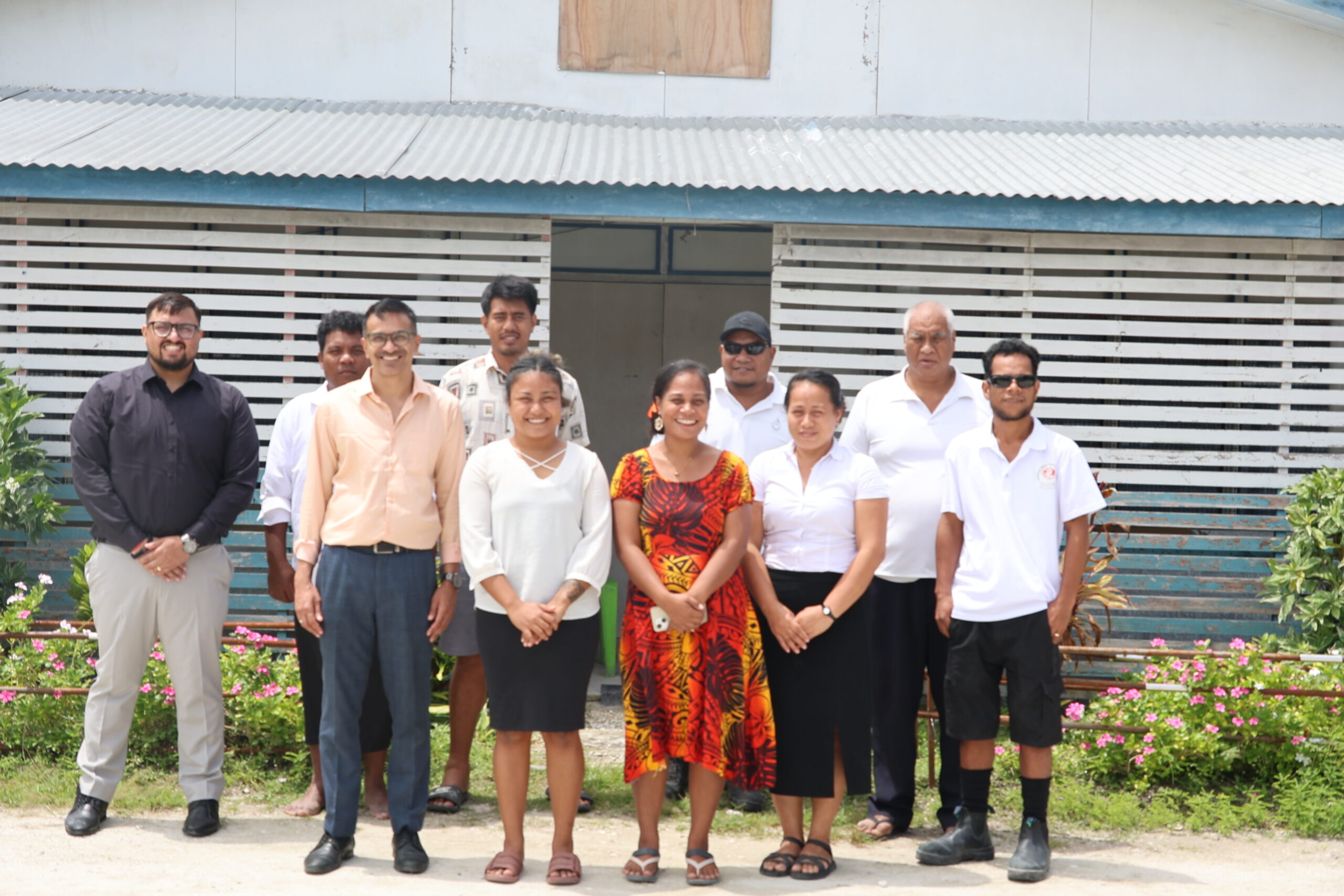
During the mission, ICLEI South Asia held bilateral consultations with key ministries, departments and agencies. The consultations focused on understanding the country’s current data management processes and practices, including how institutions record, maintain, and use data. The insights from these consultations will inform the design of the national GHG inventory system, ensuring it aligns with existing institutional processes, data management practices, and the roles and capacities of relevant institutions.
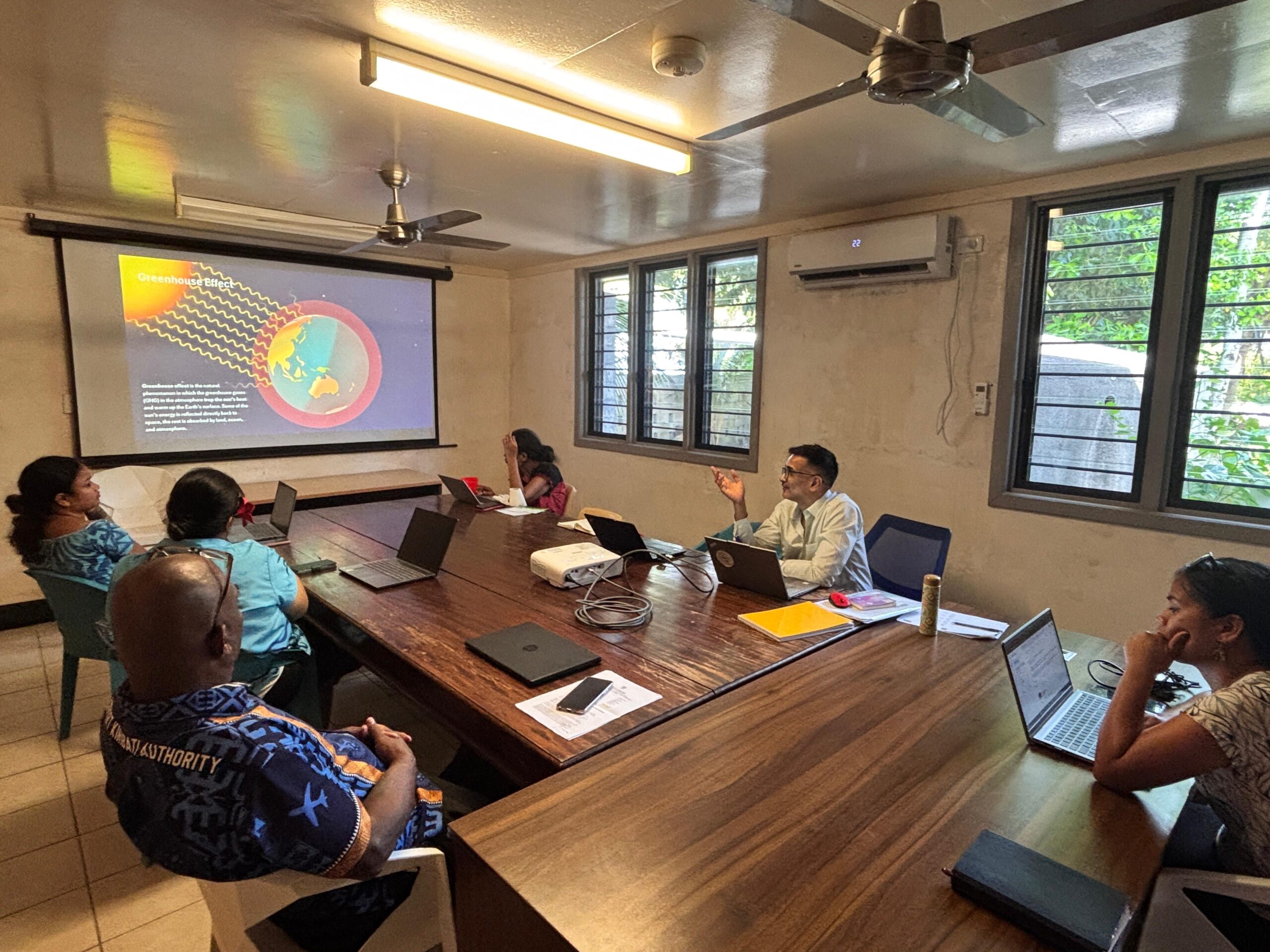
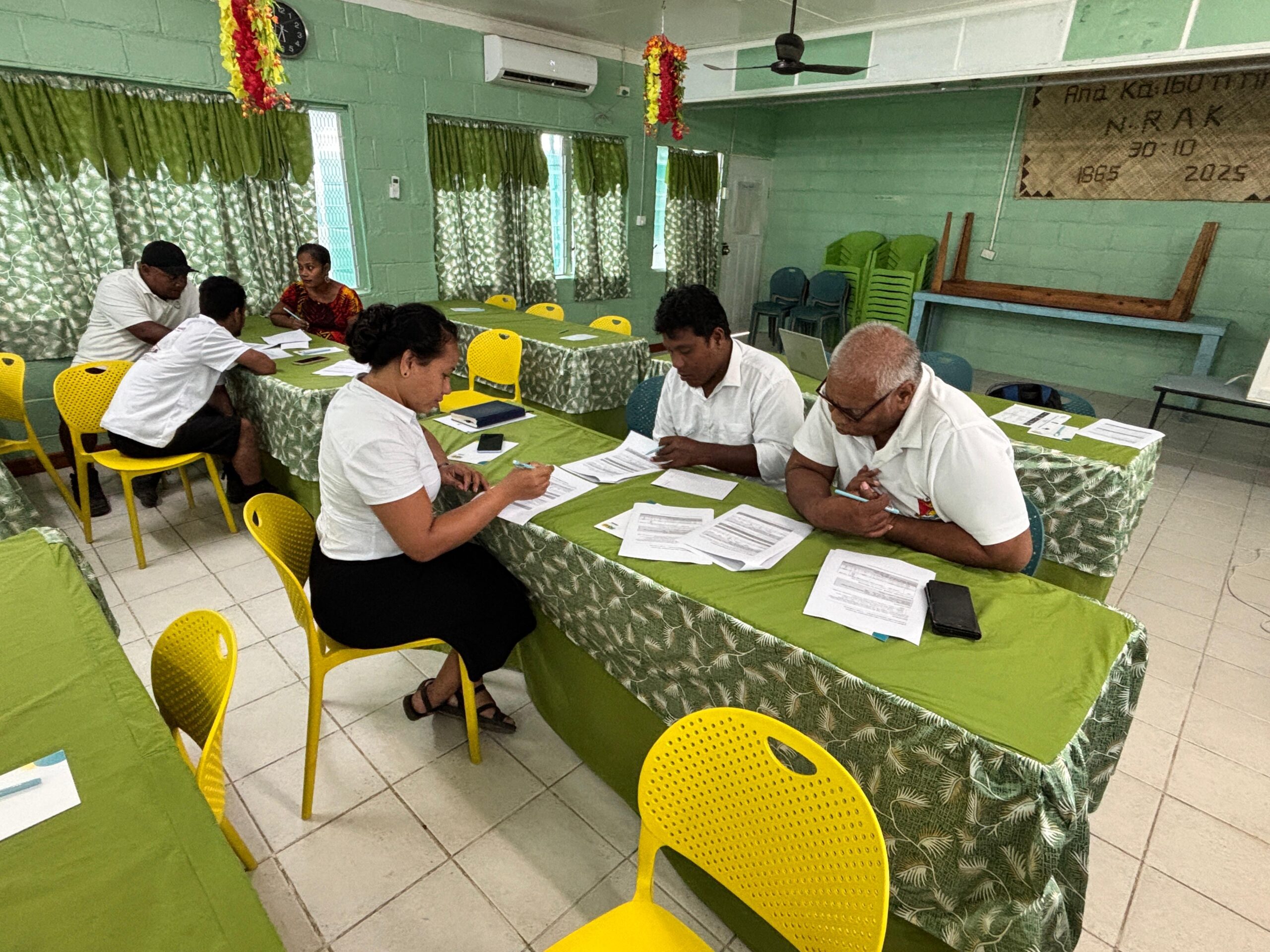
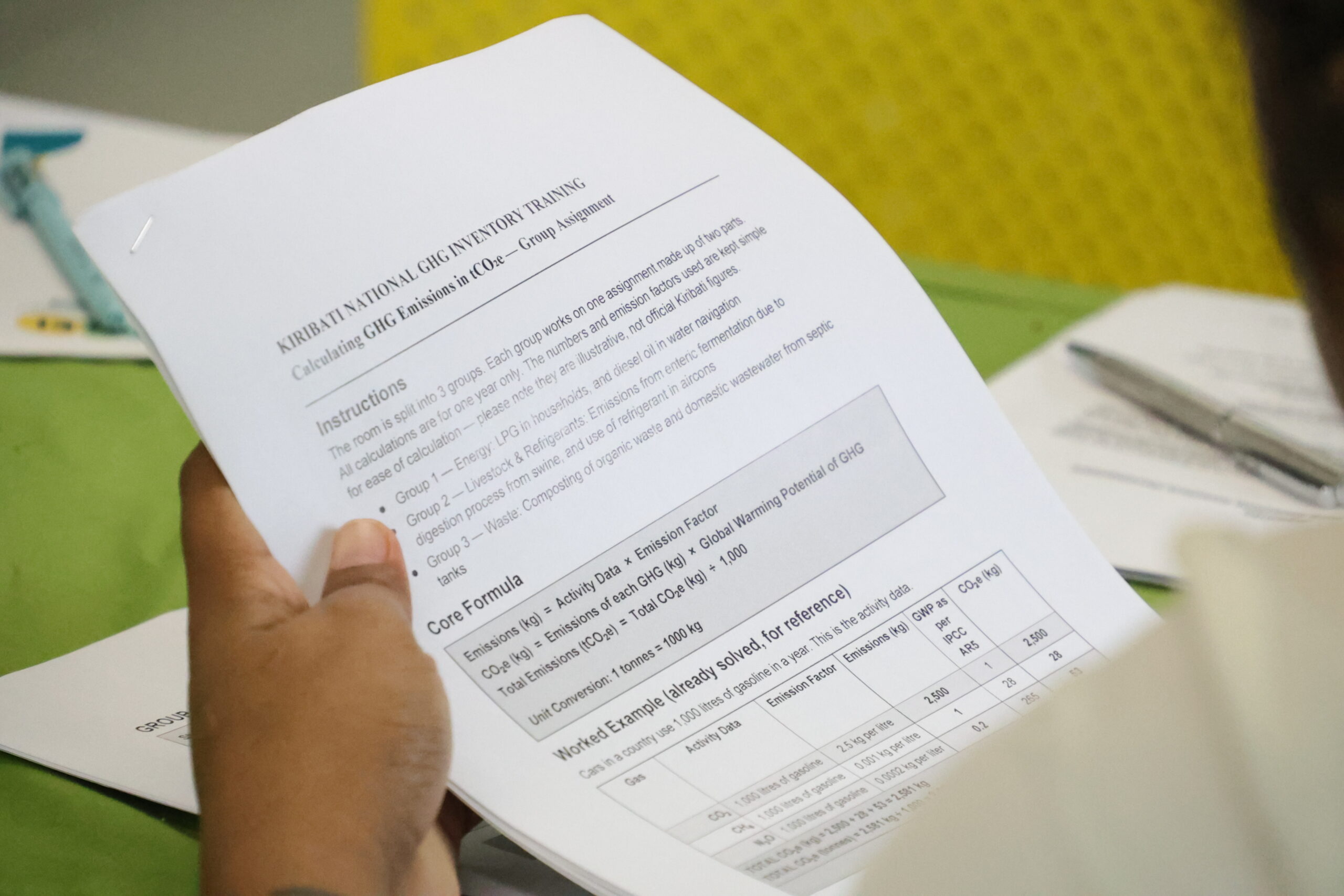
To build a shared understanding of how GHG inventory data are collected, managed and used, the mission included two technical training workshops on GHG emission inventory development, bringing together representatives from the Office of Te Beretitenti (President) – Climate Change and Disaster Risk Management (CCDRM) Division, Ministry of Environment, Lands and Agricultural Development (MELAD), Ministry of Information, Communications and Transport (MICT), Kiribati Institute of Technology (KIT), Ministry of Infrastructure and Sustainable Energy (MISE), Kiribati National Statistics Office (KNSO) and other key ministries and stakeholders. The workshops introduced participants to the fundamentals of GHG inventory development and the IPCC Guidelines, while covering key aspects of emissions accounting such as data requirements, estimation methodologies and quality assurance and quality control (QA/QC). The workshops also provided an opportunity to discuss the practical application of these concepts in Kiribati and the roles of different institutions in supporting the preparation and regular updating of the national inventory.
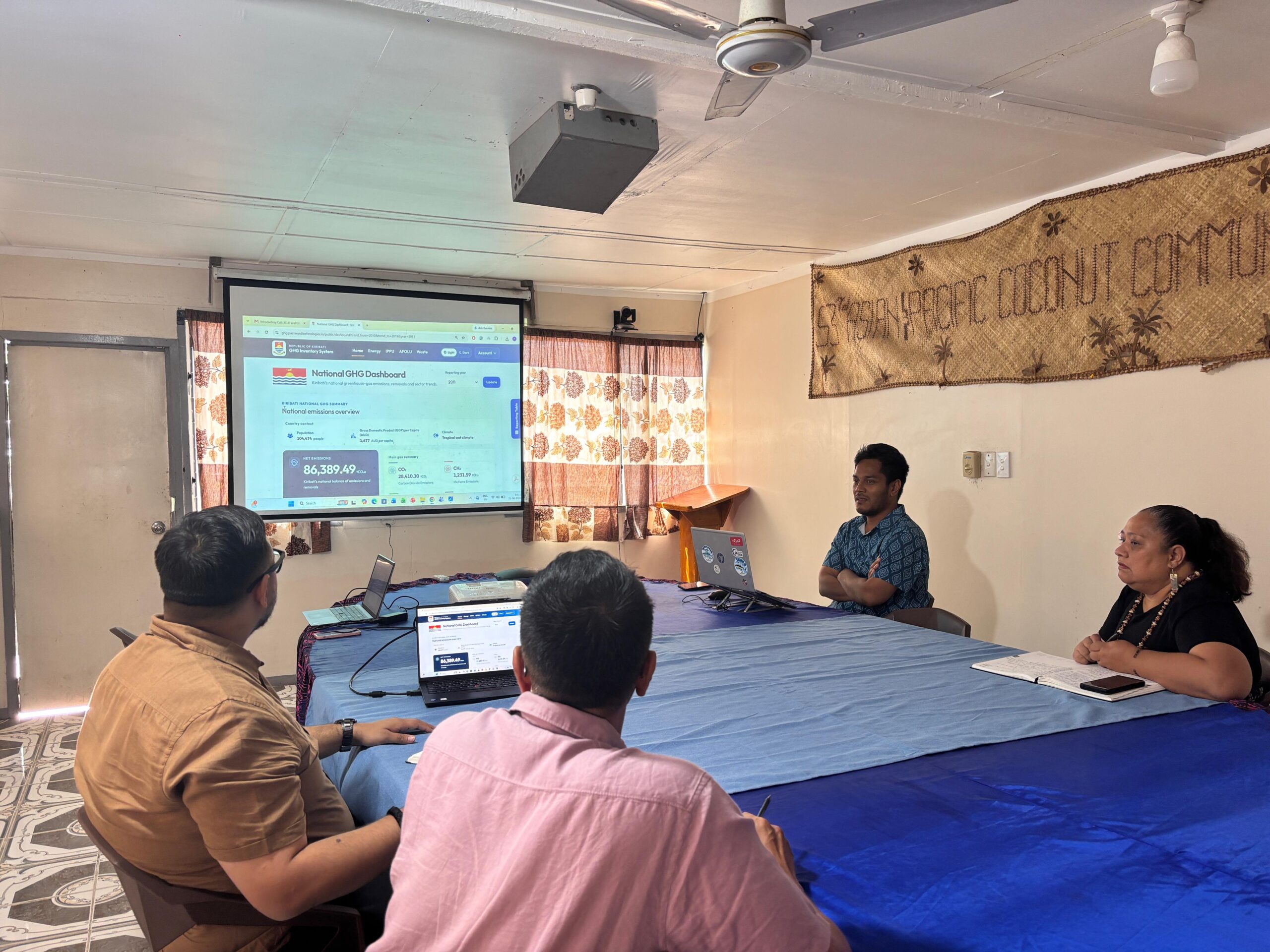
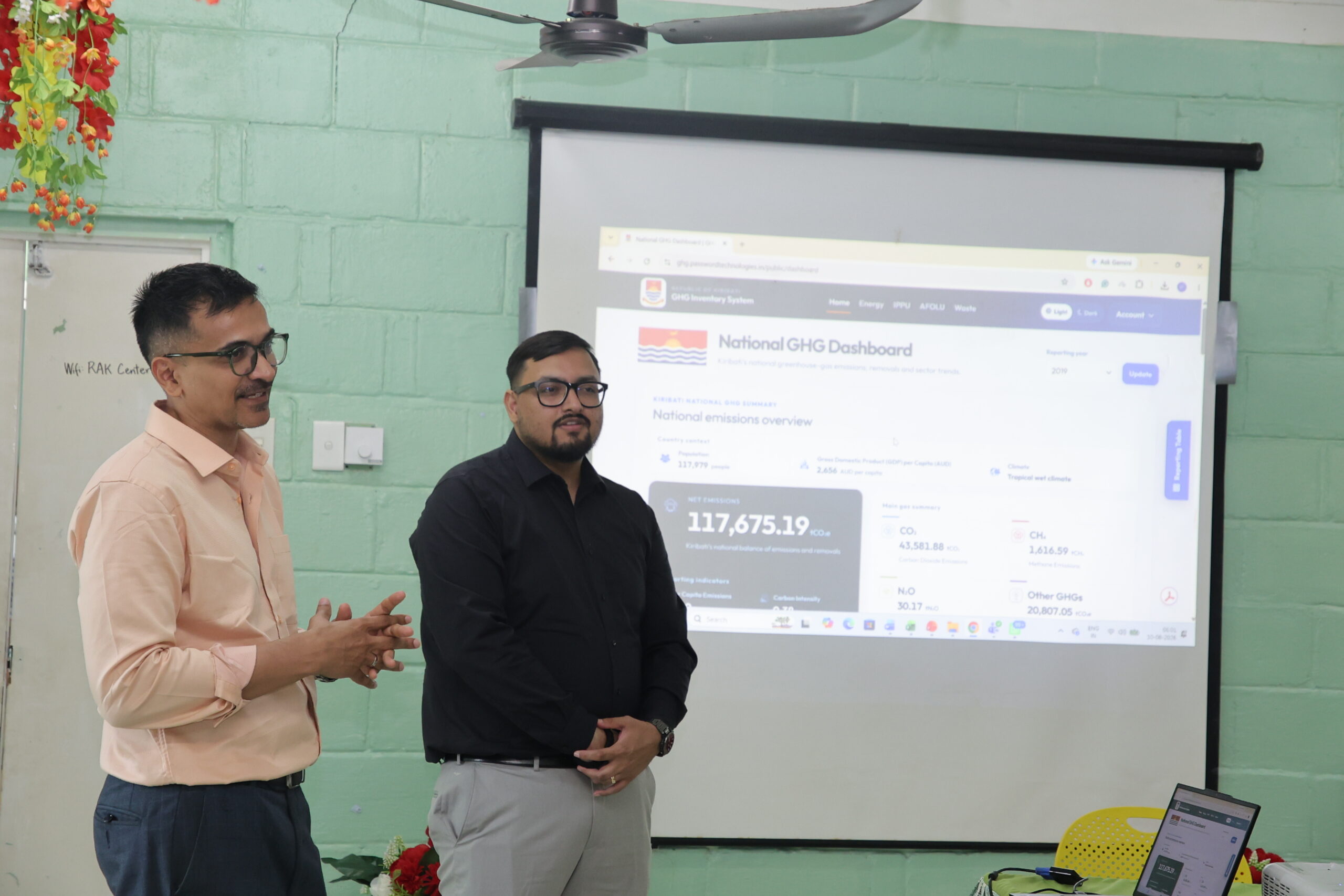
During the mission, the ICLEI South Asia team also demonstrated the digital GHG Emissions Inventory Tool being developed for Kiribati. Building on international GHG accounting methodologies and guidelines, the tool has been contextualised to Kiribati’s national circumstances and institutional processes, providing a structured platform to support the country in compiling, managing and reporting its GHG emissions. Kiribati is one of the first Pacific Island nations to develop a dedicated digitised national GHG inventory tool to support its own GHG emissions accounting and reporting. The demonstration also gave stakeholders an opportunity to share feedback, which will inform further refinement of the tool.
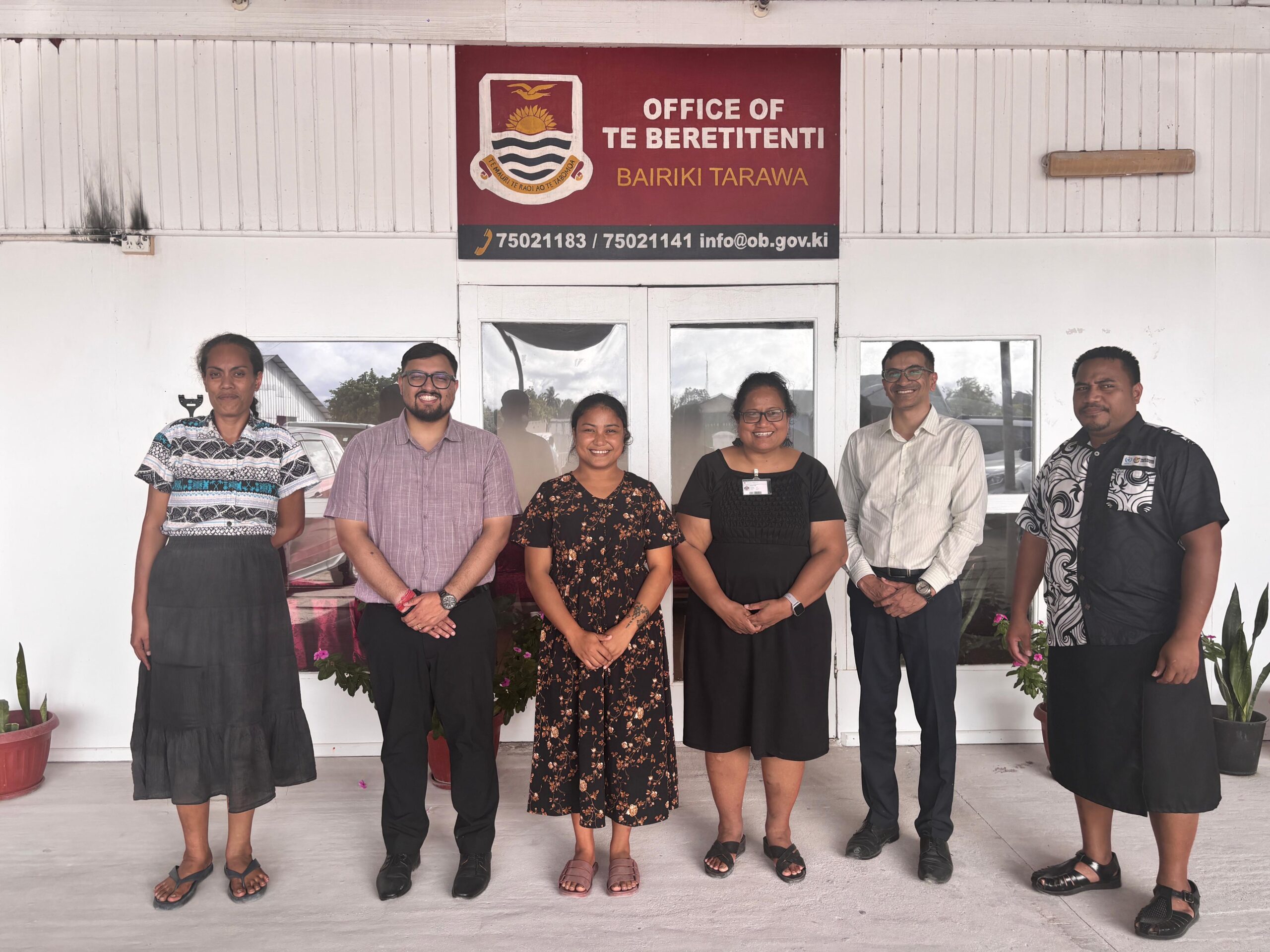
The mission concluded with a debriefing with the Office of Te Beretitenti (President), chaired by the Secretary and Deputy Secretary. The meeting focused on key findings from the bilateral consultations and training workshops as well as the proposed institutional structure for the national GHG inventory process. The discussion also covered key next steps to finalise the inventory system and the tool.
Taking this ahead, the team will finalise the institutional arrangements needed to sustain the inventory beyond the project period, refine the digital tool considering stakeholder feedback, prepare supporting guidance, and progress towards handing over the system and the tool to the Government of Kiribati.